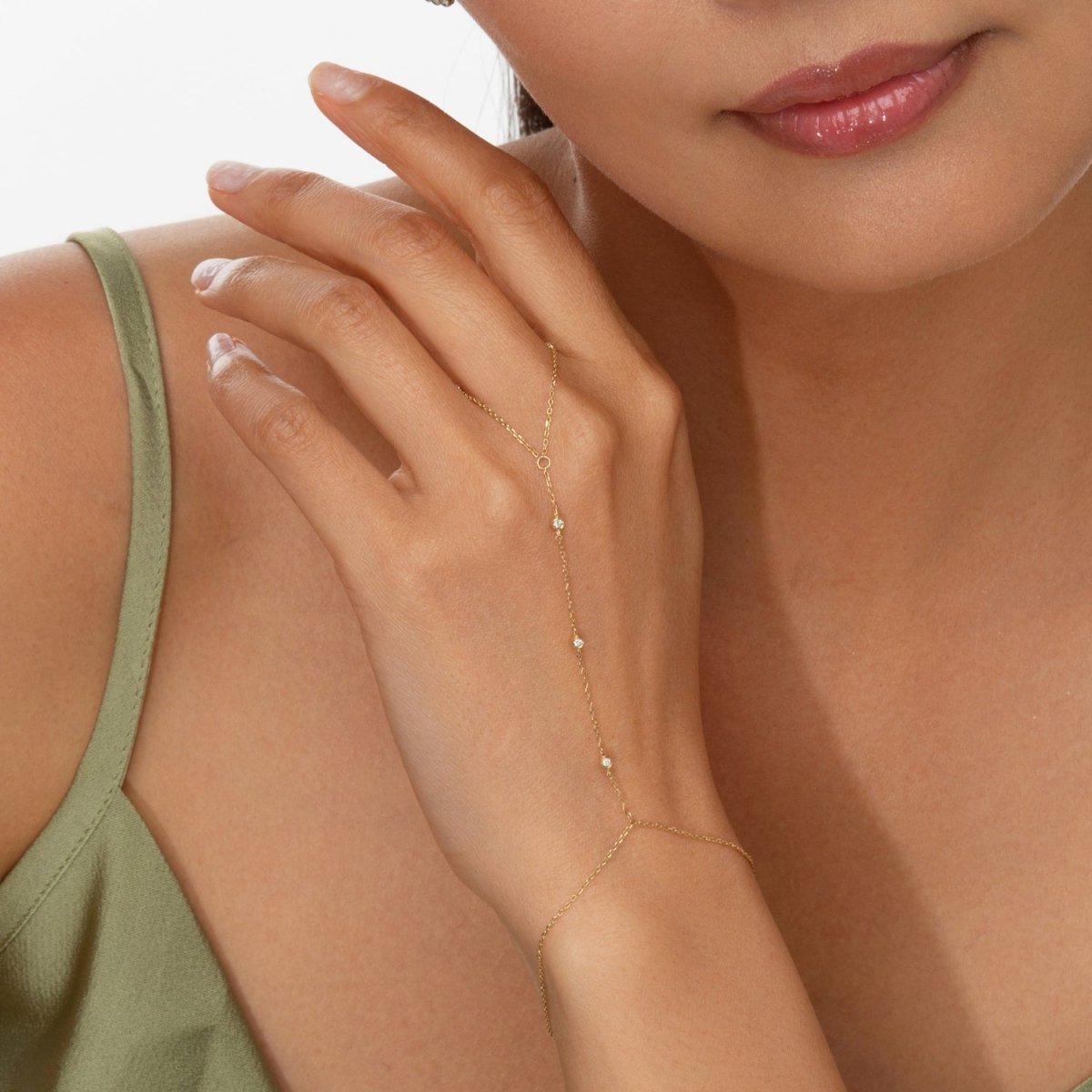
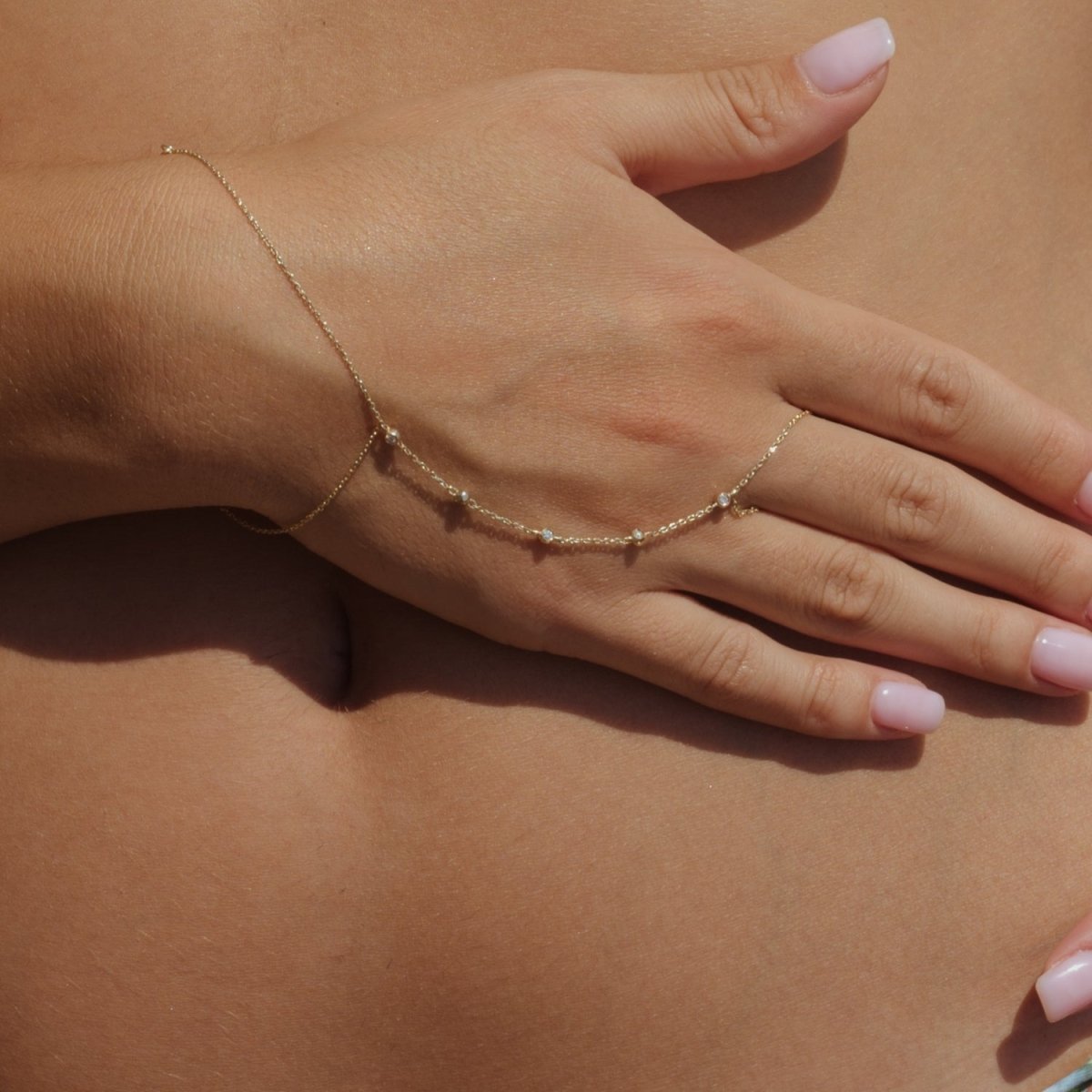
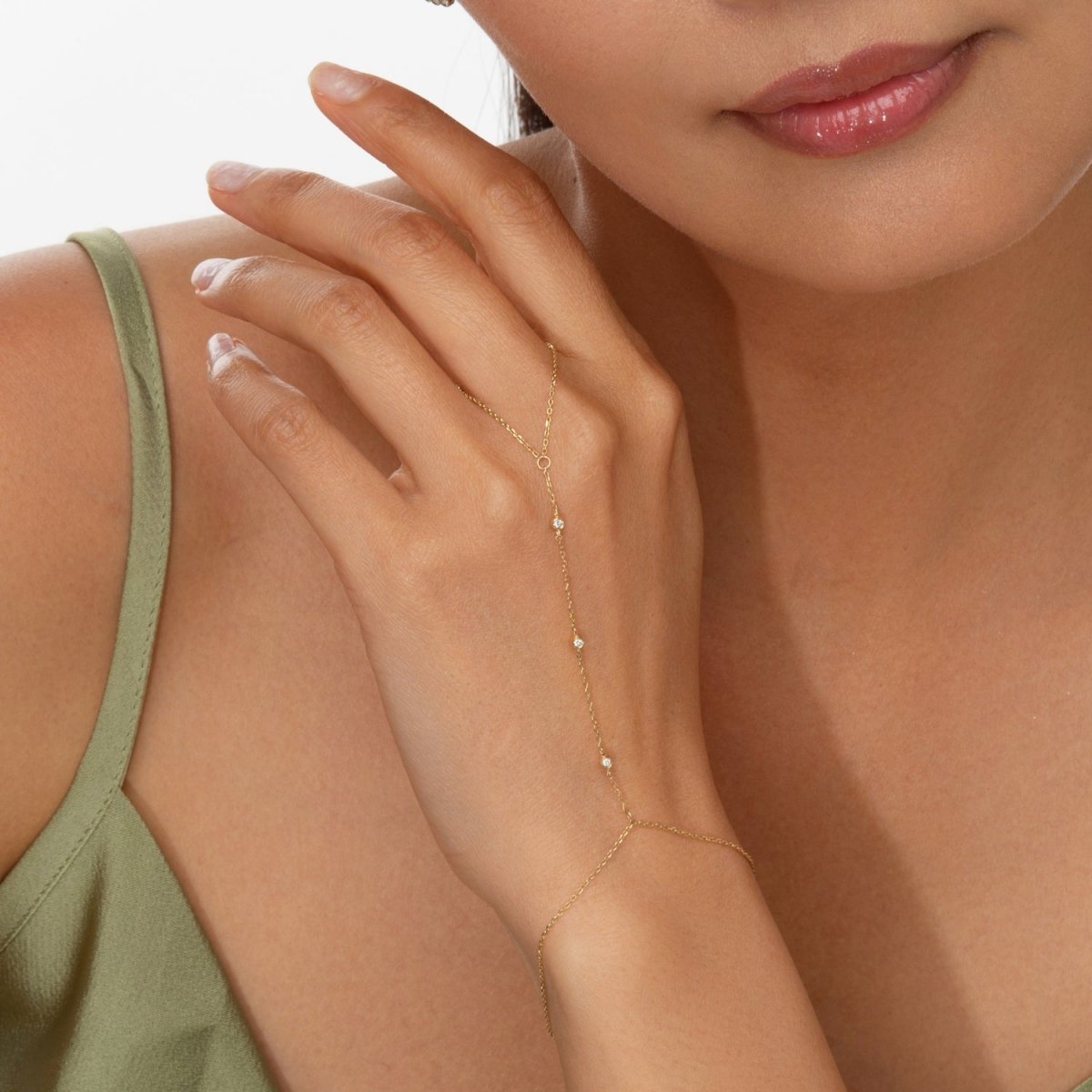
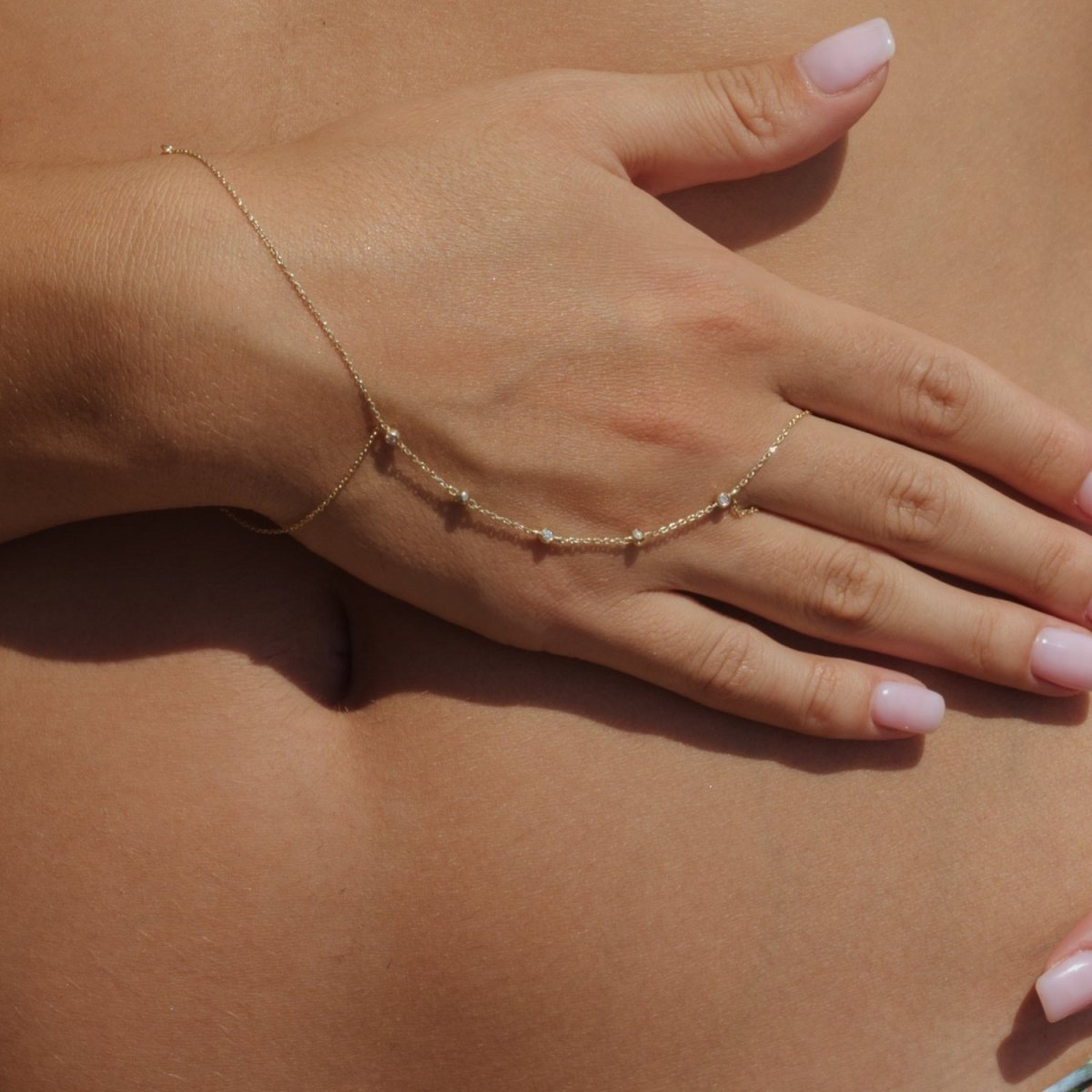
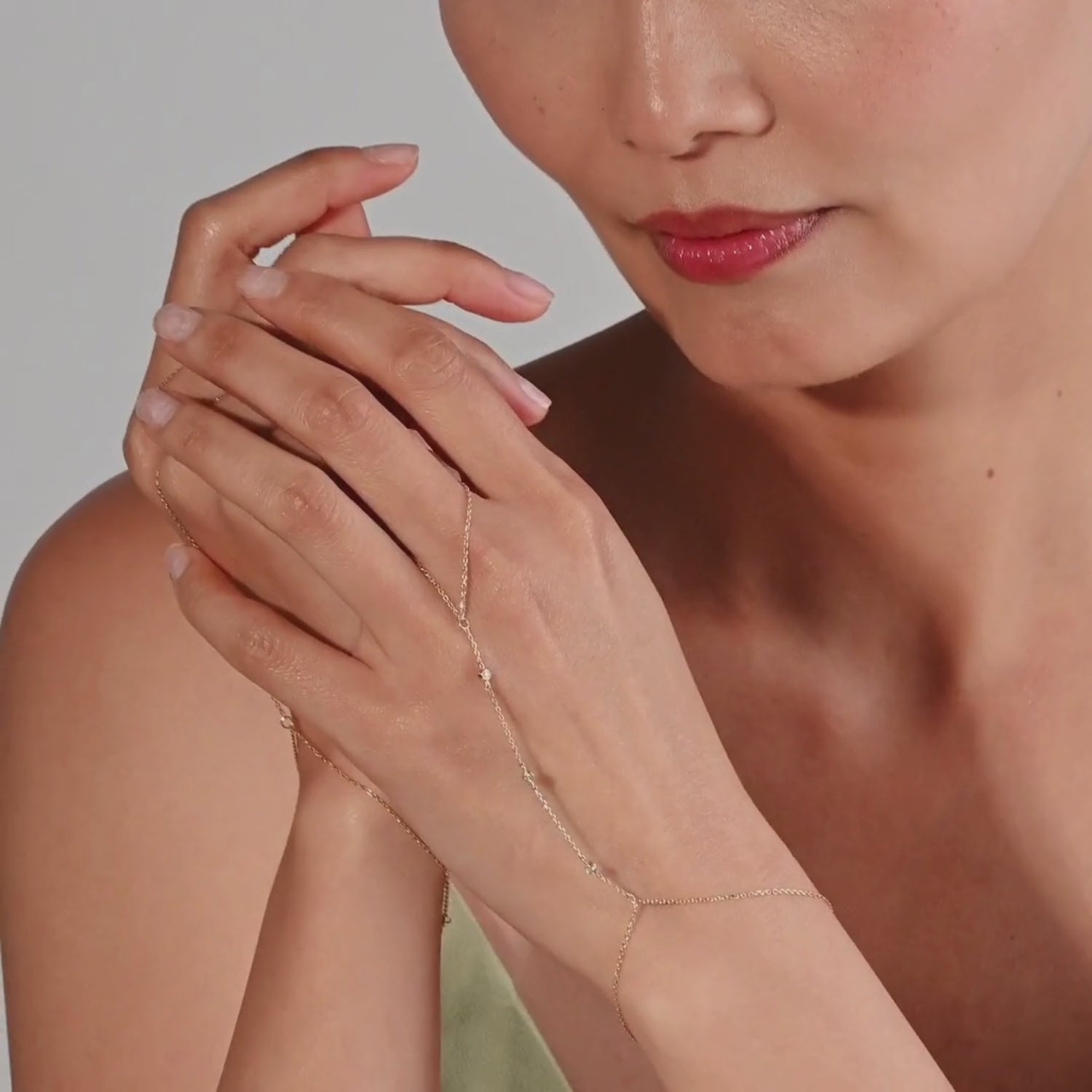
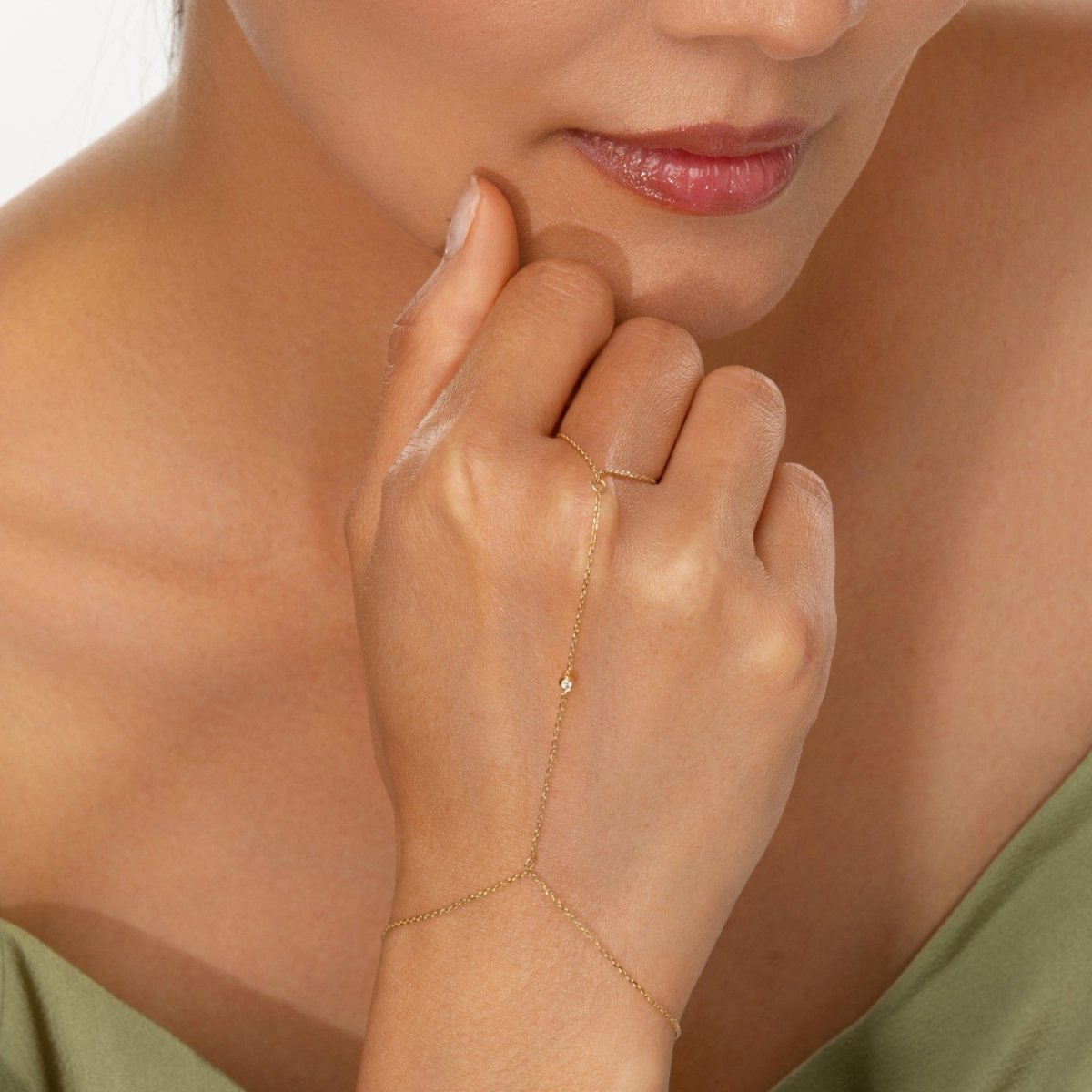


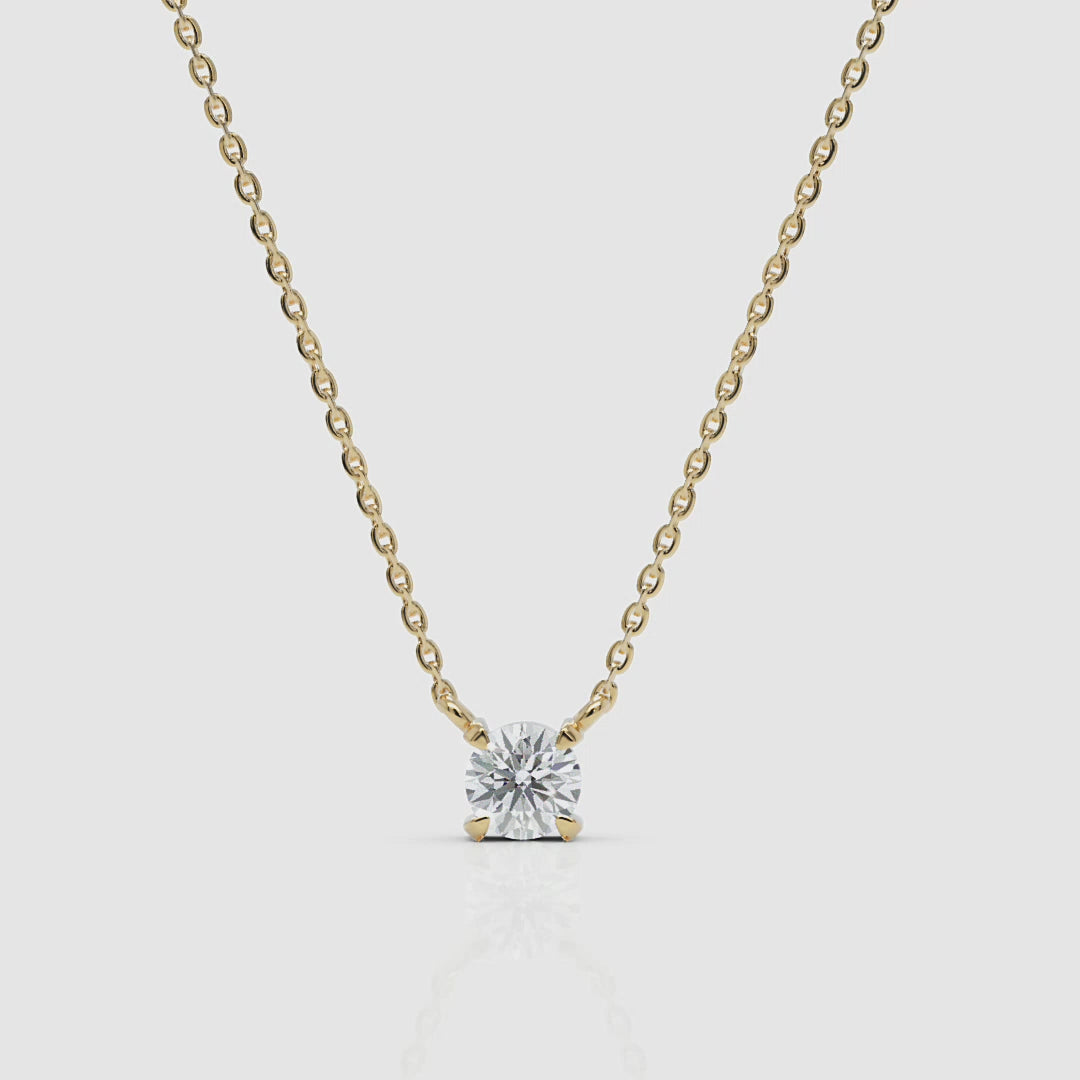


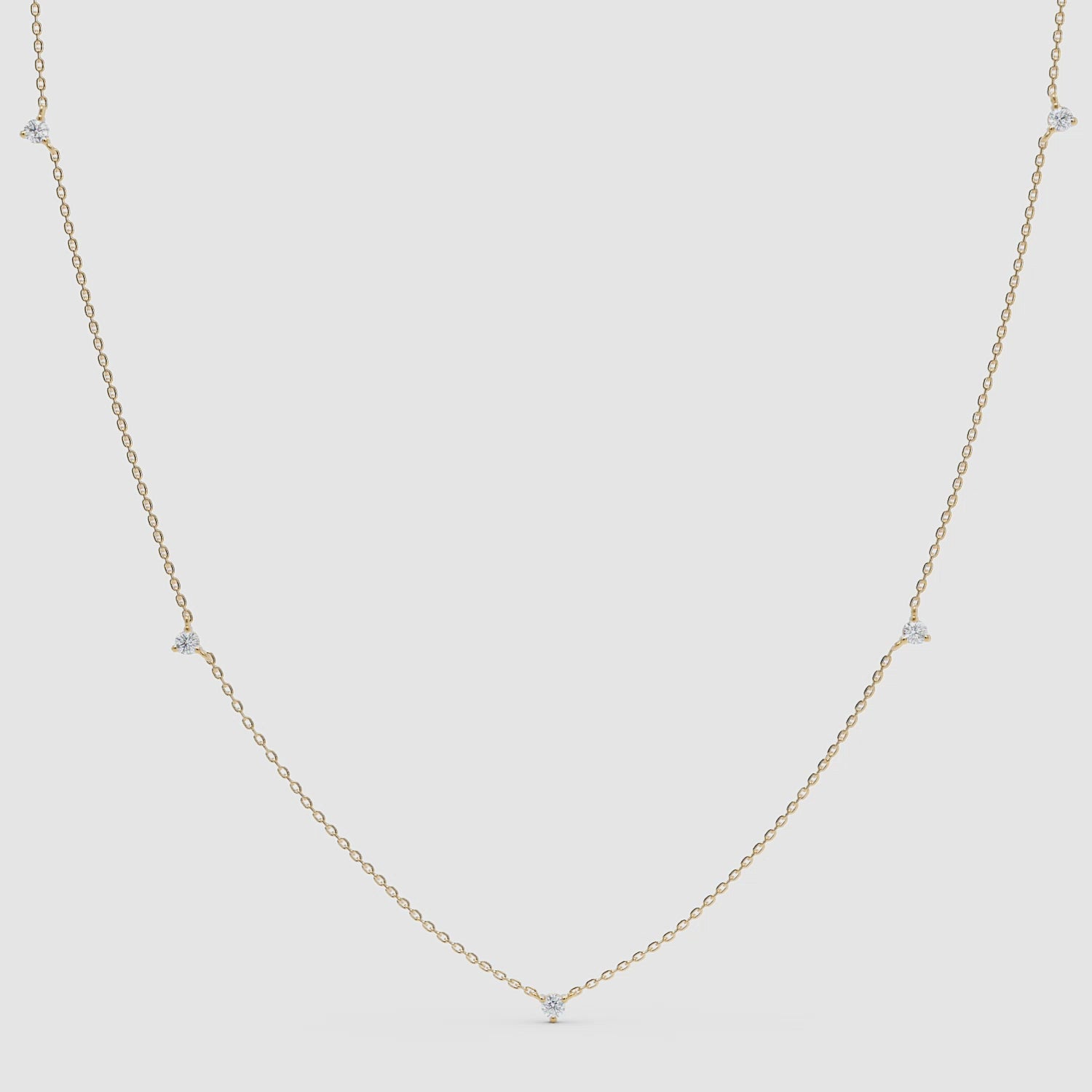


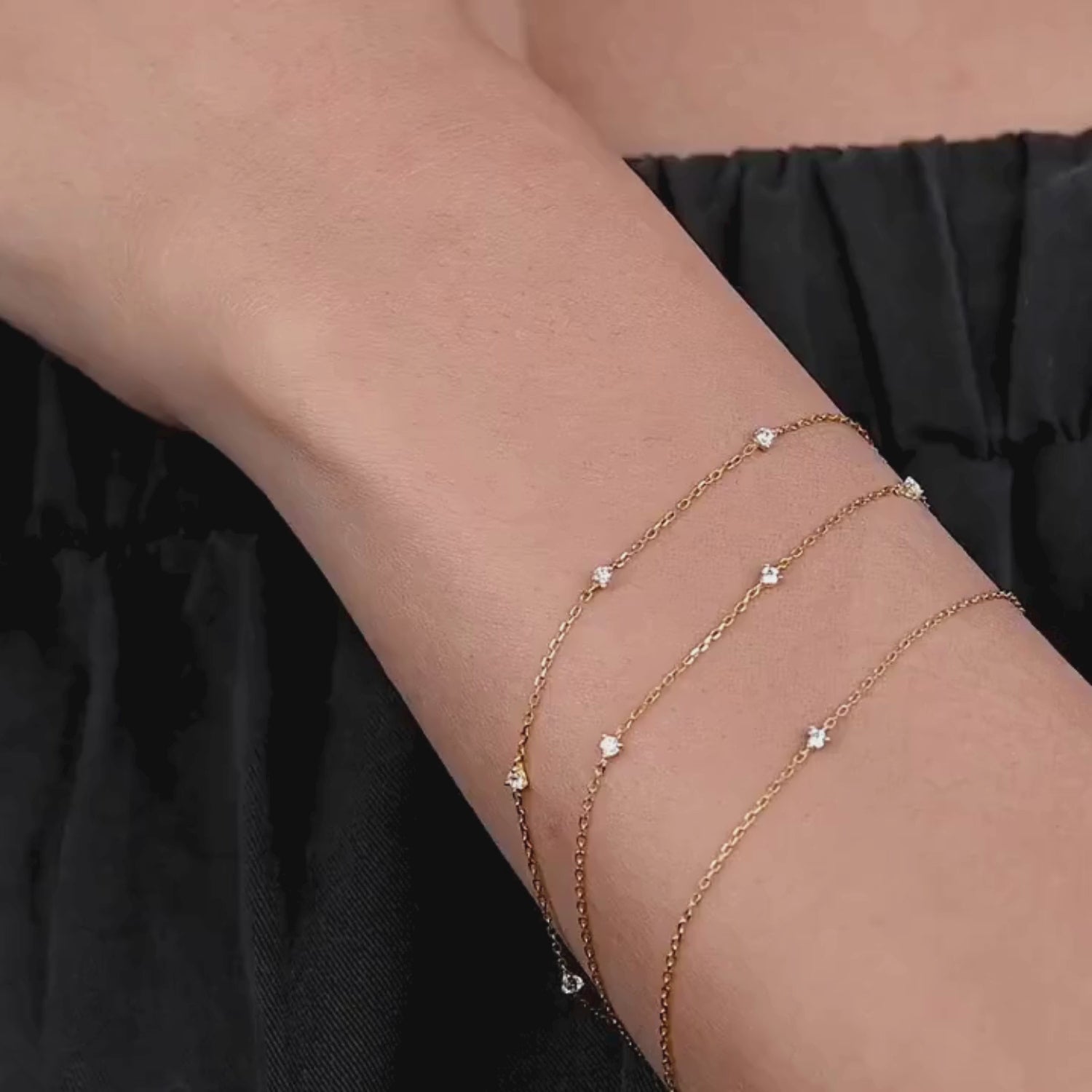


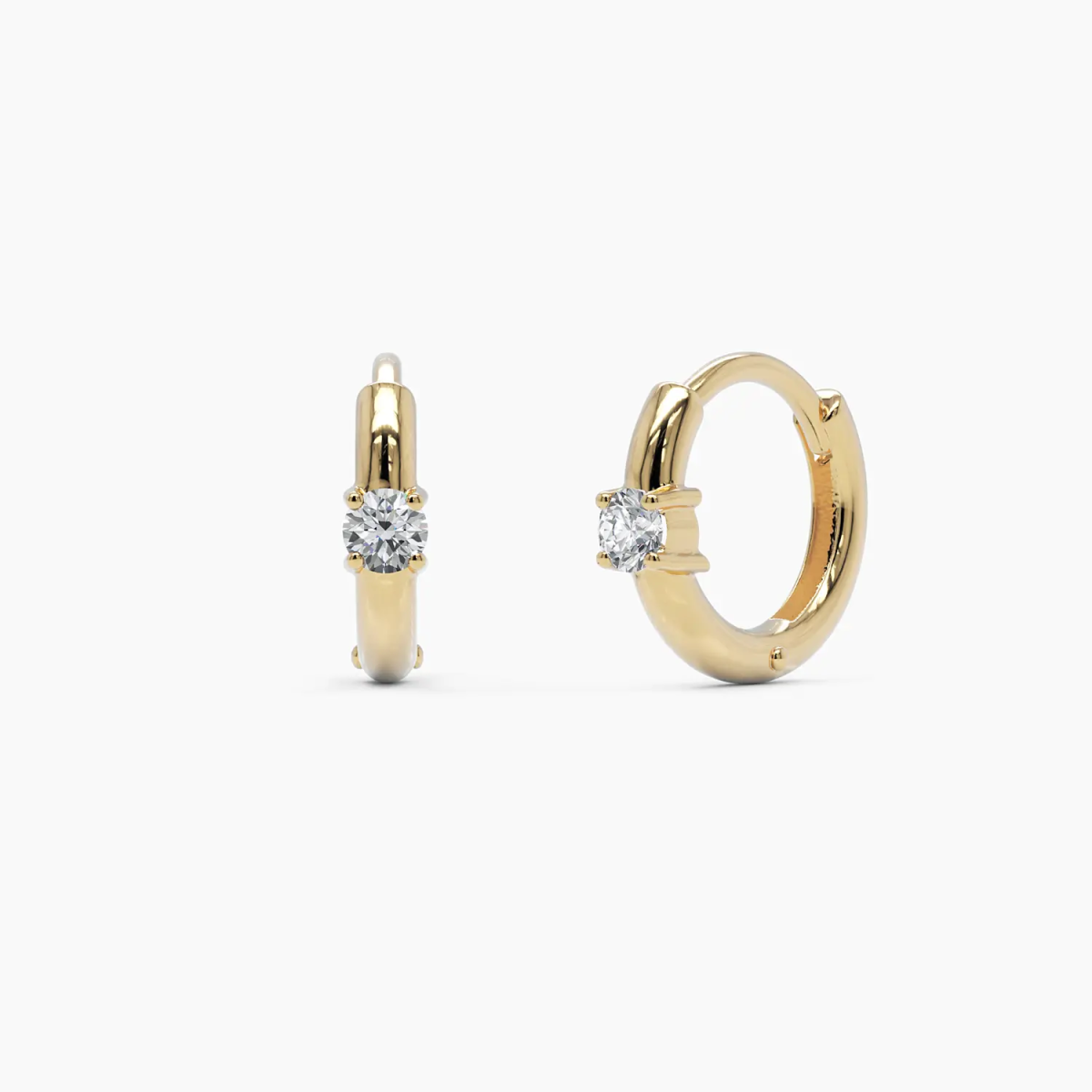
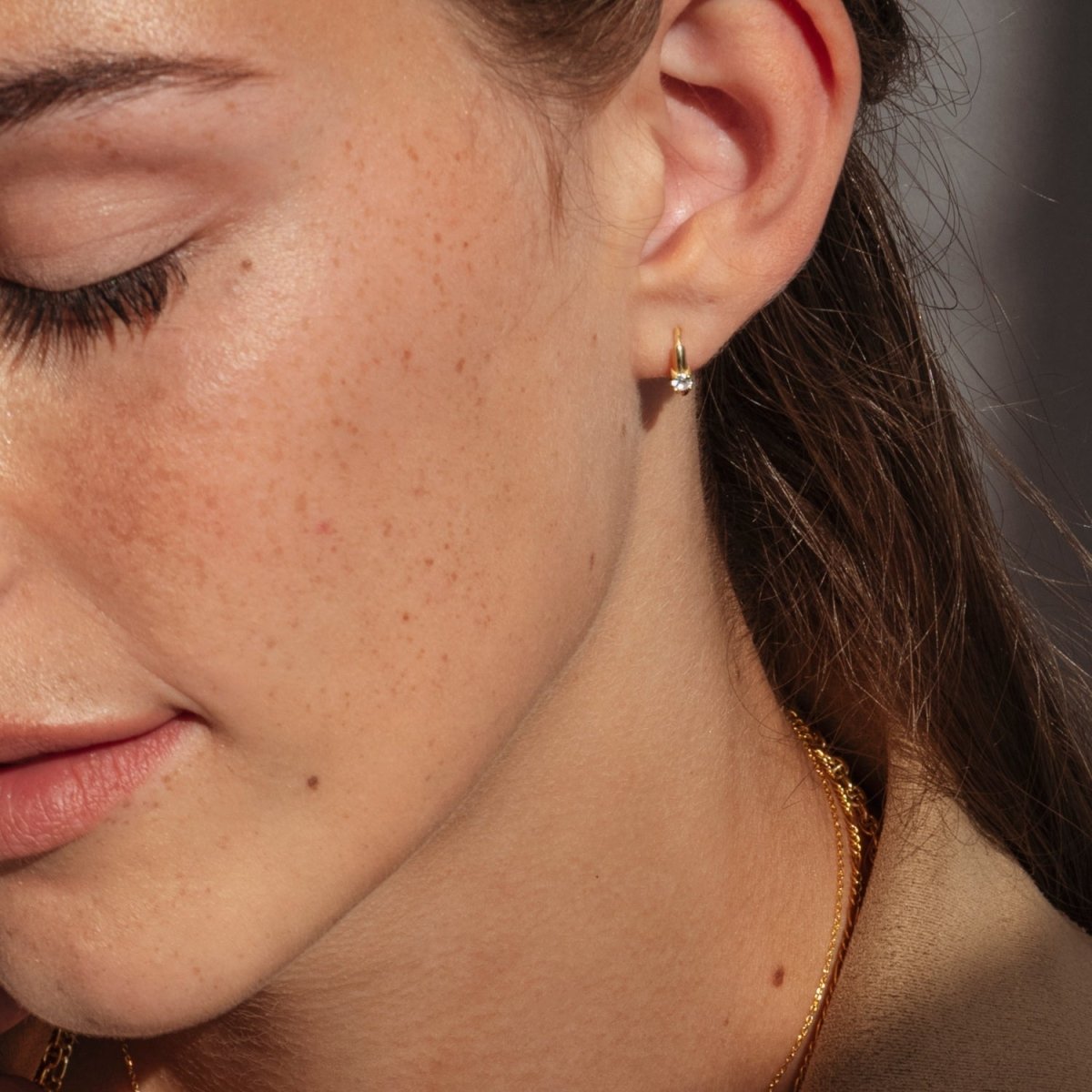




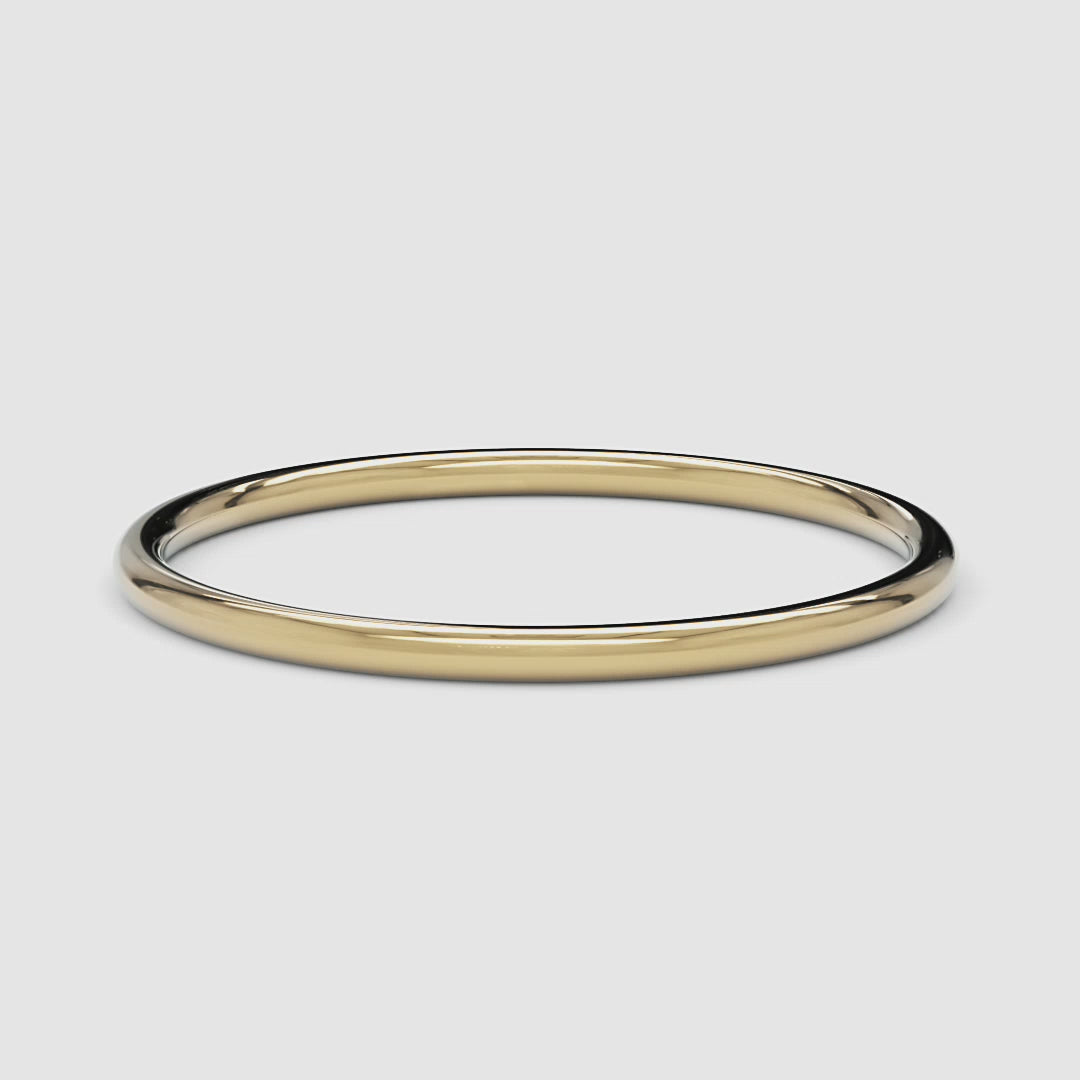
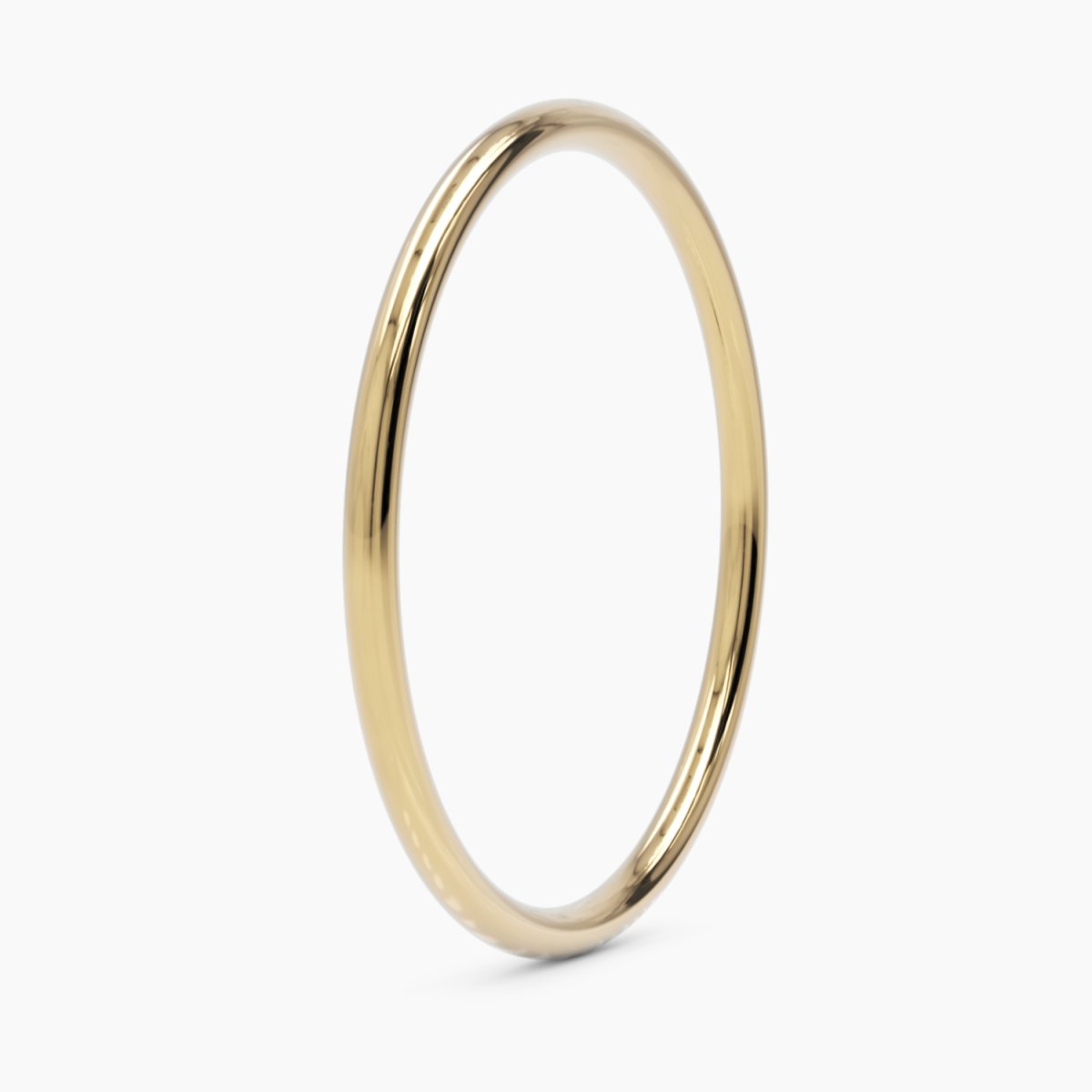


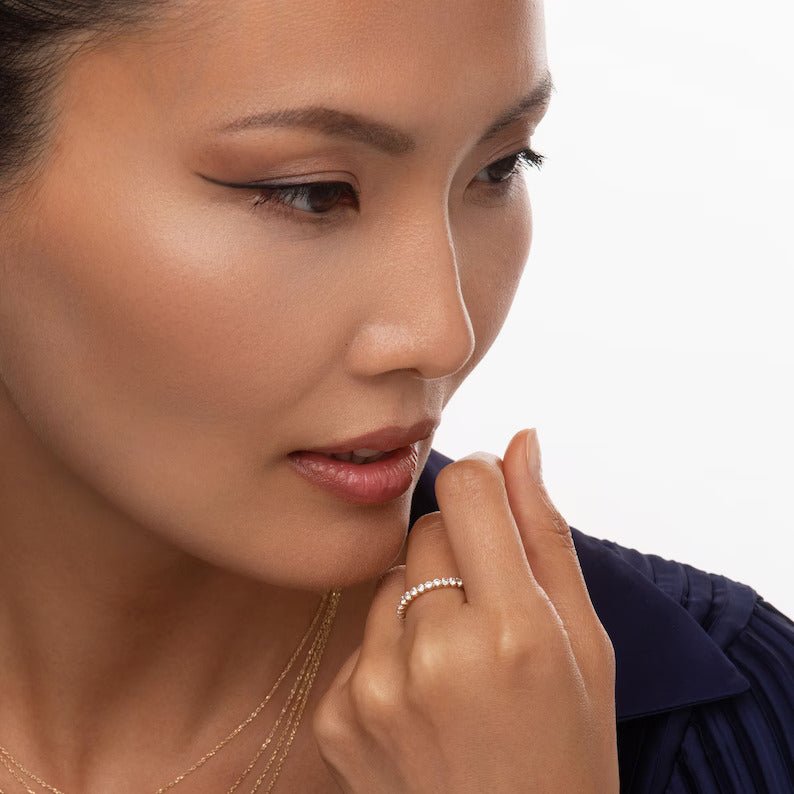



If you are shopping for solid gold jewelry, you will almost always encounter two options: 10k and 14k gold. Both are real gold. Both are solid. But they behave differently, look different, and suit different purposes.
As a third-generation goldsmith, this is one of the questions we are asked most often. Here is an honest answer.
What the Numbers Mean
Gold is measured in karats. Pure gold is 24 karats, meaning 24 out of 24 parts are gold. That sounds ideal, but pure gold is too soft for jewelry worn daily. It bends, scratches, and loses its shape.
To make gold wearable, it is alloyed with other metals. The karat number tells you how much of the alloy is pure gold.
- 10k gold: 41.7% pure gold, 58.3% other metals
- 14k gold: 58.3% pure gold, 41.7% other metals
Both are genuine solid gold. Neither will fade, peel, or discolor your skin the way gold-plated or gold-filled jewelry does.
The Real Differences
Color
14k gold has a warmer, richer tone because it contains more pure gold. 10k gold is slightly paler and can appear more yellow-white in certain lights. The difference is subtle but visible side by side. Most people associate the classic gold color with 14k.
Durability
10k gold is harder than 14k because it contains more alloying metals. In theory, this makes it more scratch-resistant. In practice, both are durable enough for daily wear. The difference matters more for pieces subject to constant impact, like rings worn while working with your hands.
Price
10k gold costs less than 14k because it contains less pure gold. The difference is meaningful but not dramatic. A 10k piece is typically 20-30% less expensive than the equivalent piece in 14k.
Skin Sensitivity
Some people with sensitive skin react to the metals used in gold alloys, particularly nickel. 14k gold, with its higher gold content, is less likely to cause reactions. If you have known metal sensitivities, 14k is the safer choice.
Longevity
Both hold their quality for decades when cared for properly. Solid gold does not tarnish or fade regardless of karat. A 10k piece bought today will look the same in 20 years as a 14k piece bought today, assuming similar care.
Which Should You Choose?
Choose 14k if:
You want the warmest, most classic gold color. You have sensitive skin. You are buying a piece to wear every day for years, particularly rings and bracelets that sit against the skin constantly. You want the piece to hold its value.
Choose 10k if:
You want real solid gold at a lower price point. You are buying for a child or teenager. You want a piece for occasional wear where the small color difference does not matter.
What We Use at ENEA Studio
Most of our collection is crafted in 14k gold. It is the standard for fine jewelry intended for daily wear, and it is what three generations of our family have worked with since our workshop opened in Athens over 70 years ago. We offer select pieces in 10k gold for customers who want solid gold at a more accessible price point.
In both cases, the gold is solid throughout. No plating, no filling, no core of base metal. The karat tells you the gold content. The craftsmanship tells you the rest.
Frequently Asked Questions
Is 10k gold real gold?
Yes. 10k gold is real, solid gold containing 41.7% pure gold. It is stamped and regulated as genuine gold in the United States and internationally.
Will 10k gold turn my finger green?
No. Solid gold, regardless of karat, does not turn skin green. That reaction comes from base metals in gold-plated jewelry, where the plating wears through and the base metal reacts with skin. Solid 10k and 14k gold contain no base metal core.
Which karat holds its value better?
14k holds slightly more intrinsic metal value because it contains more pure gold. However, for most jewelry, resale value depends more on craftsmanship, brand, and condition than karat alone.
Can a jeweler tell the difference between 10k and 14k?
Yes, easily. Both are stamped with their karat mark, and any jeweler can test the gold content. The stamps are typically found inside a ring band or on a clasp.
Is 18k better than 14k?
18k contains 75% pure gold, giving it a richer color and higher intrinsic value. It is also softer, making it less suitable for pieces worn daily. For everyday fine jewelry, 14k is the practical standard. 18k is better suited for special occasion pieces or heirloom jewelry not worn constantly.