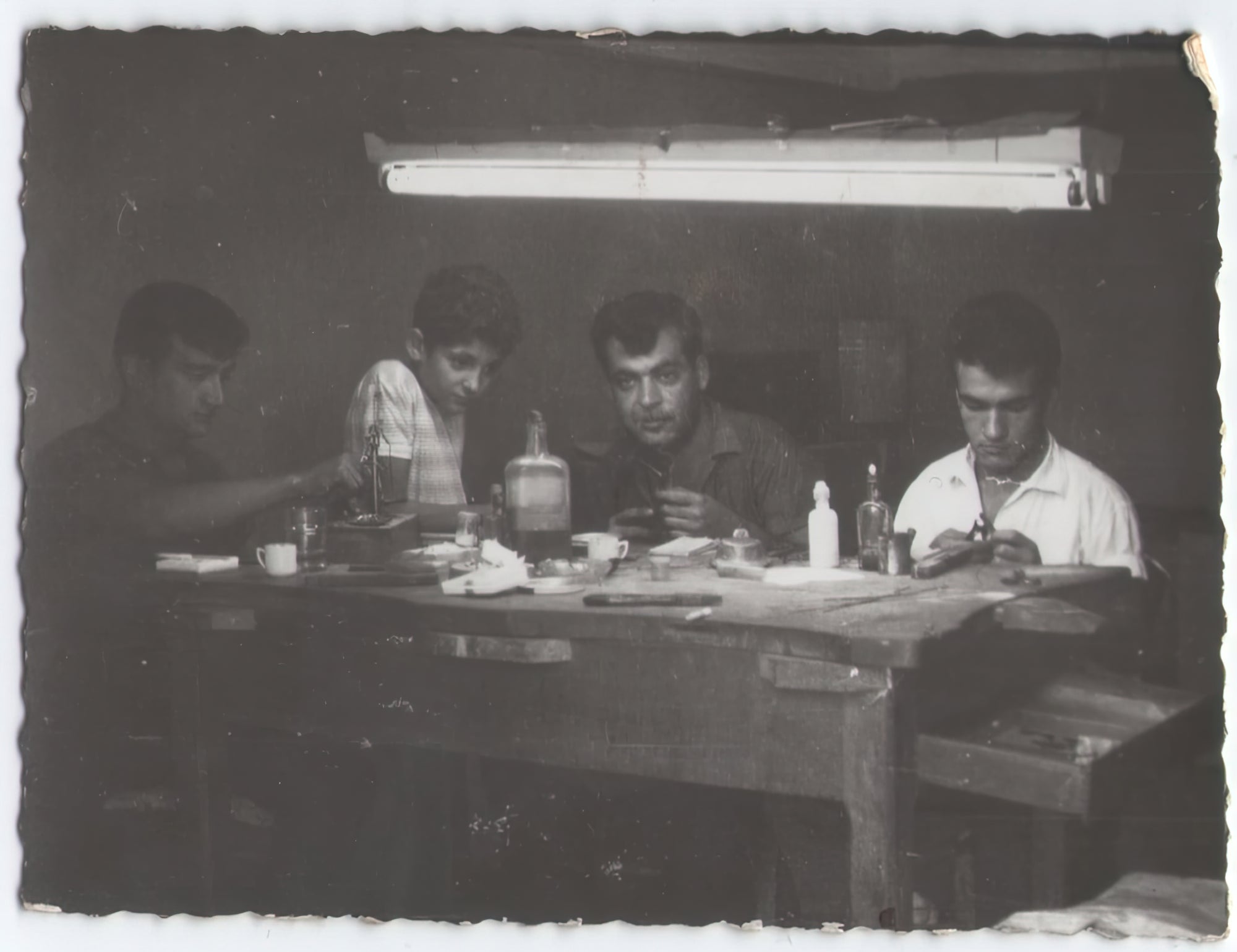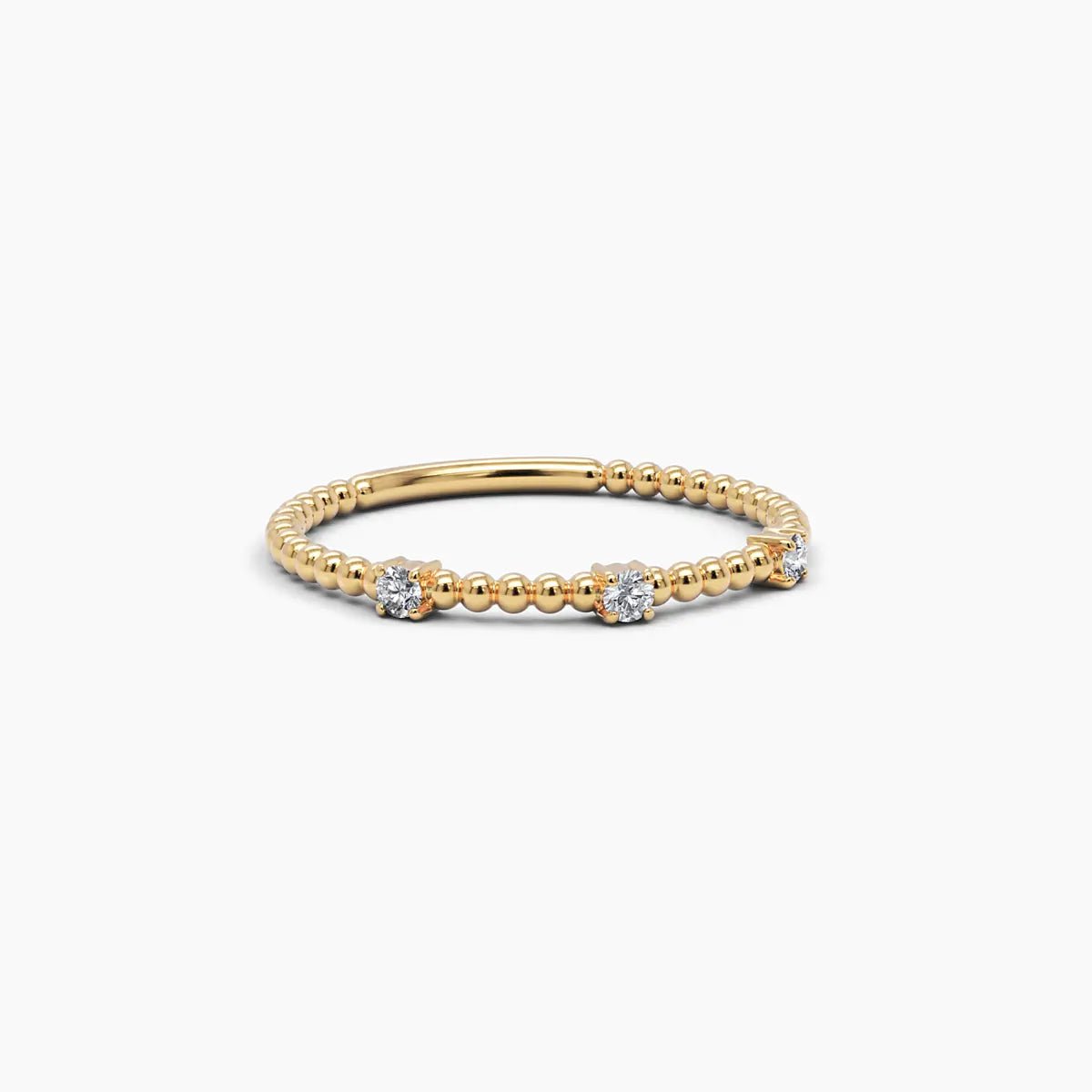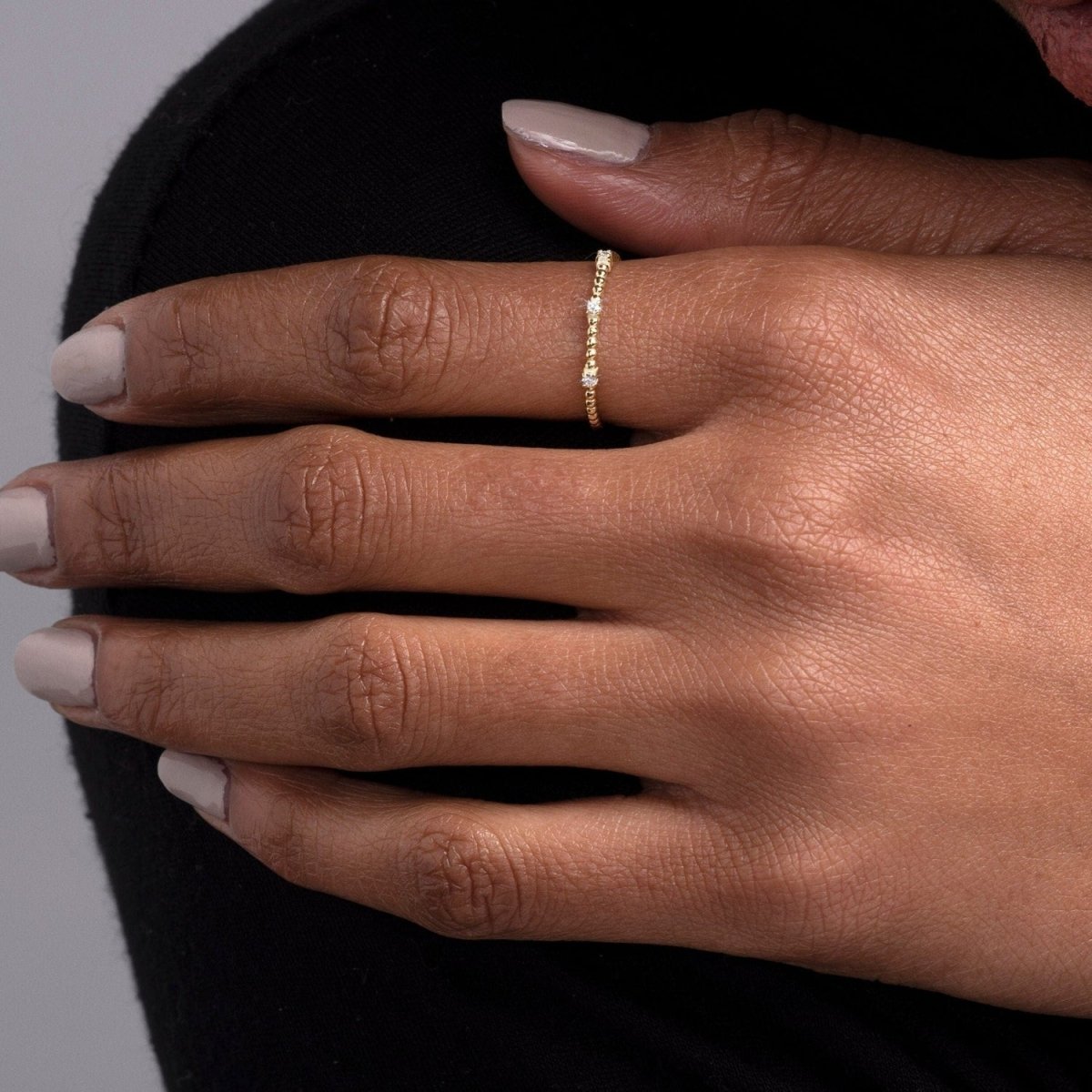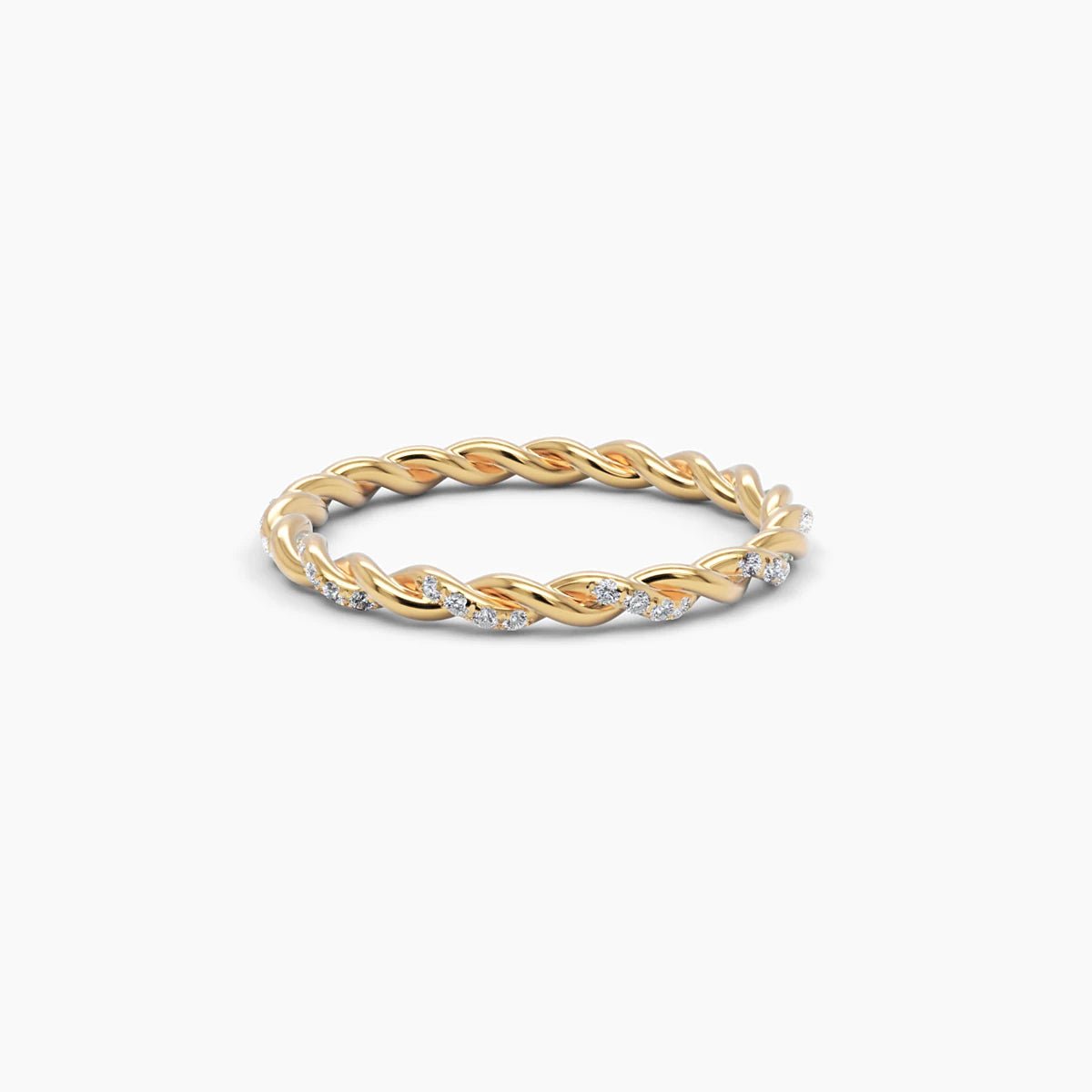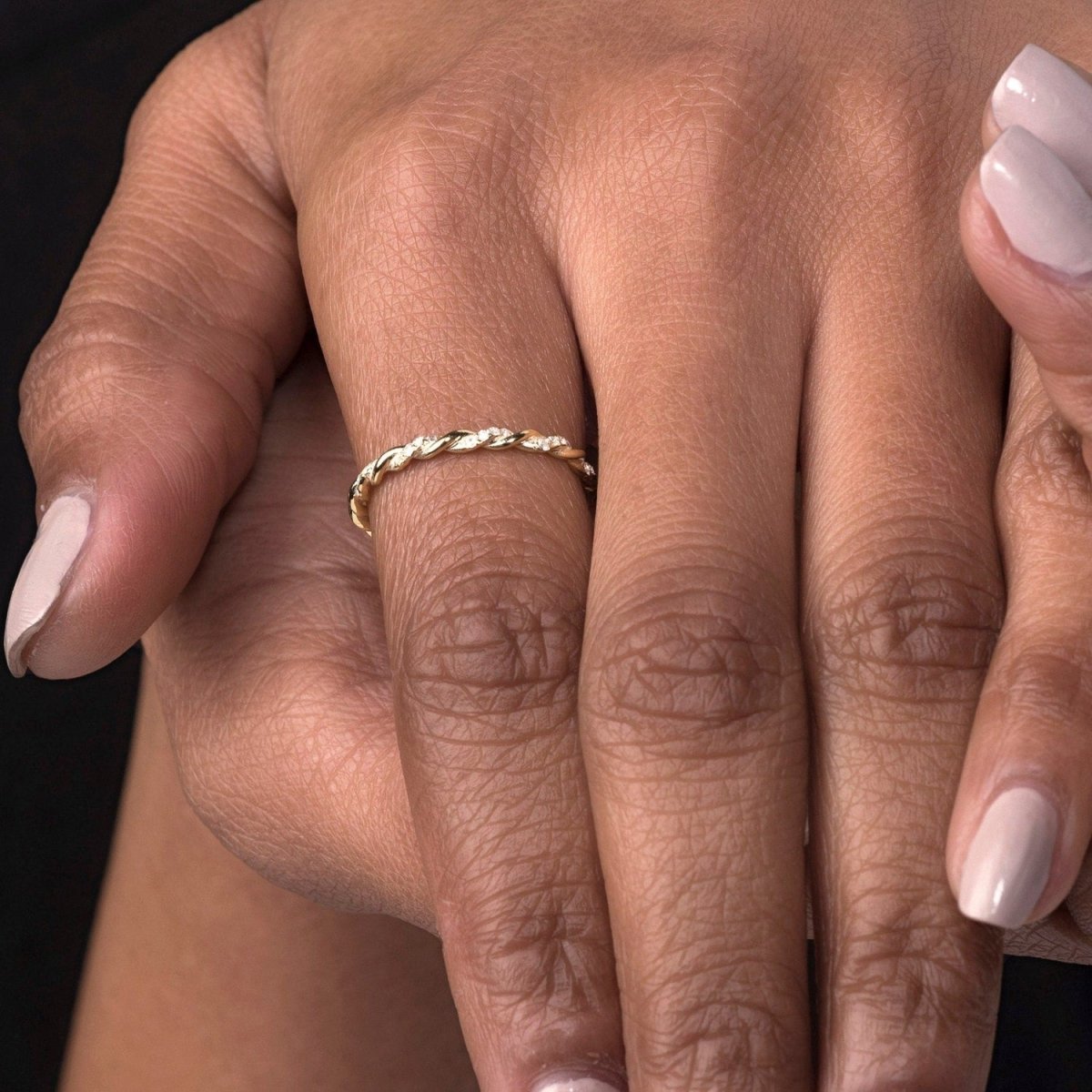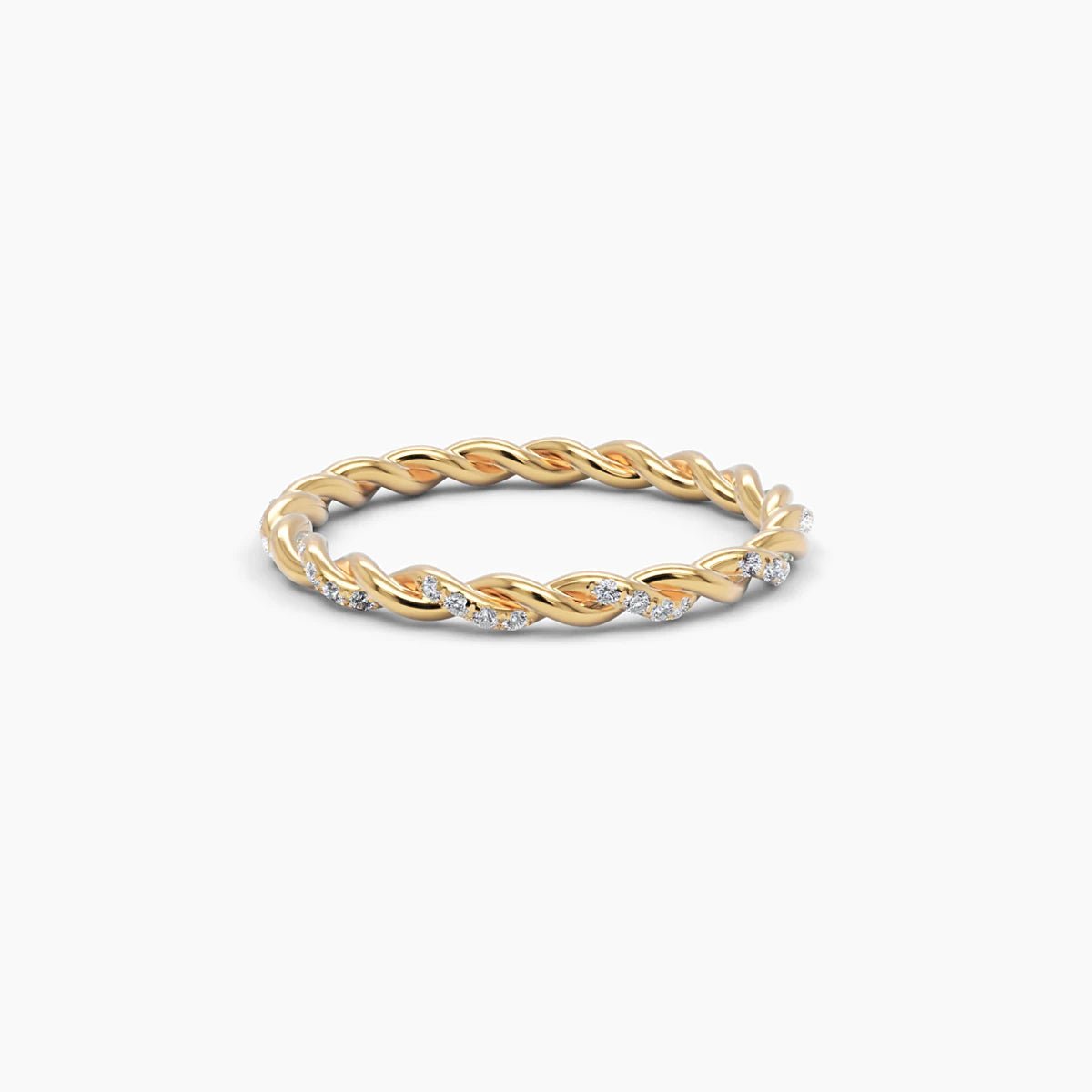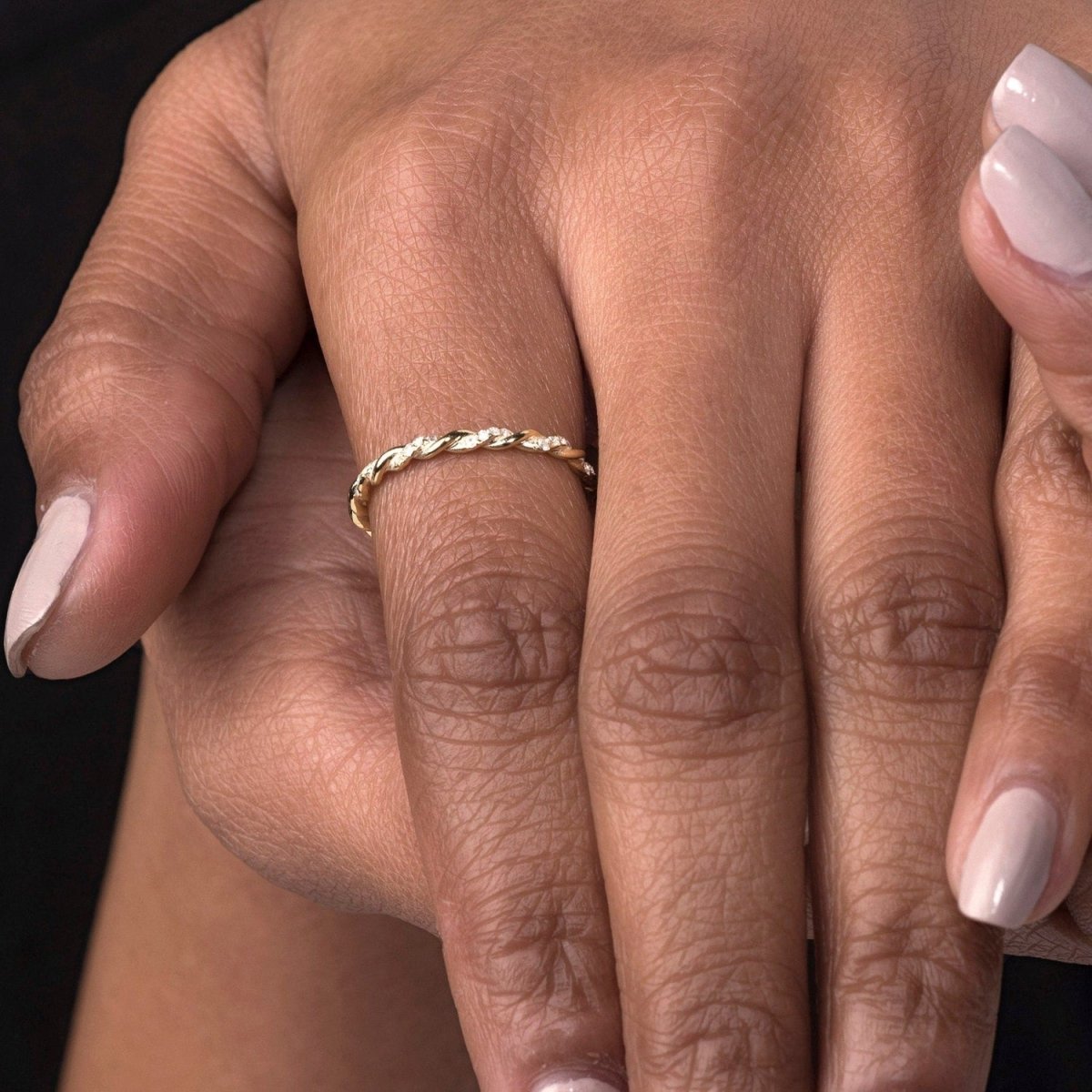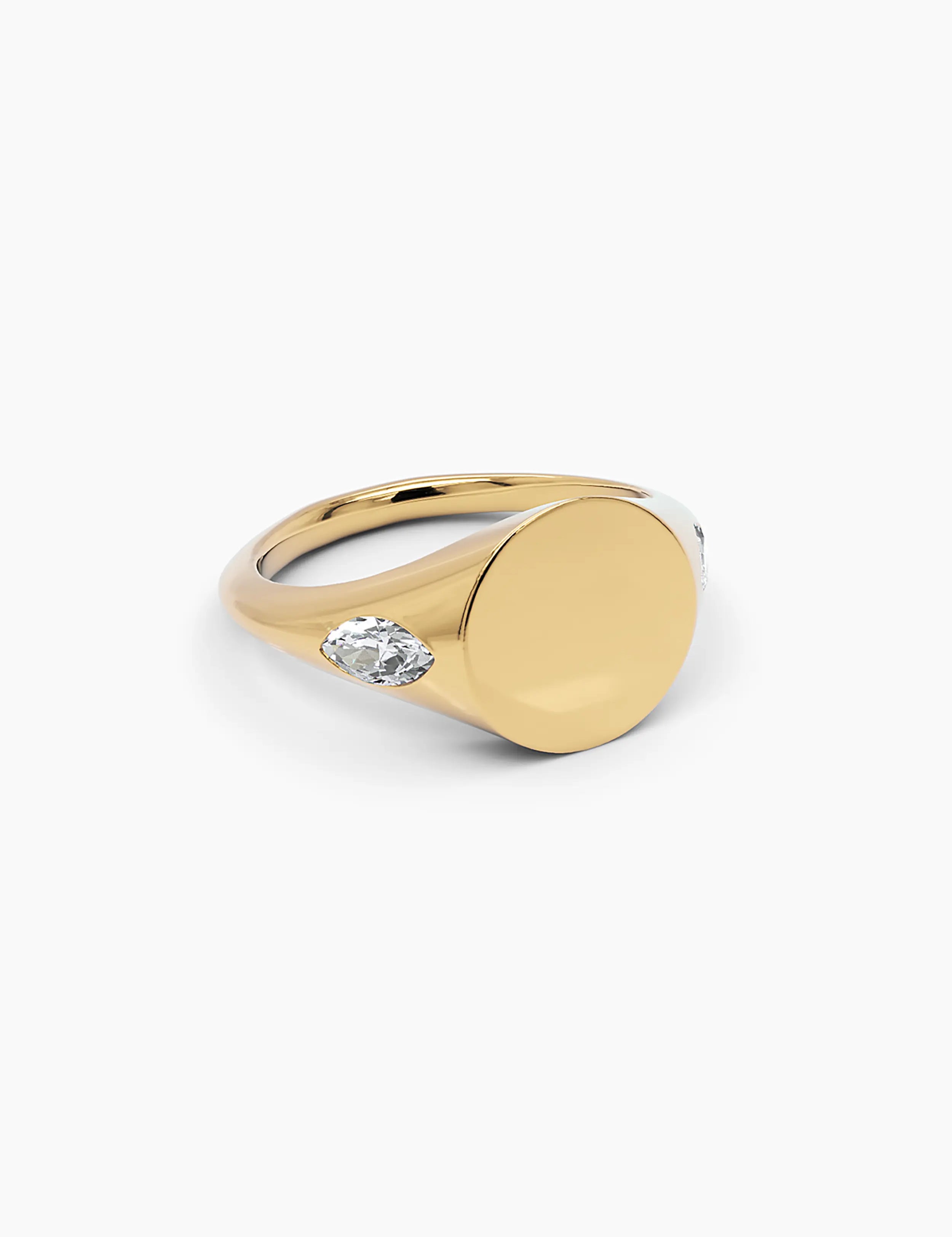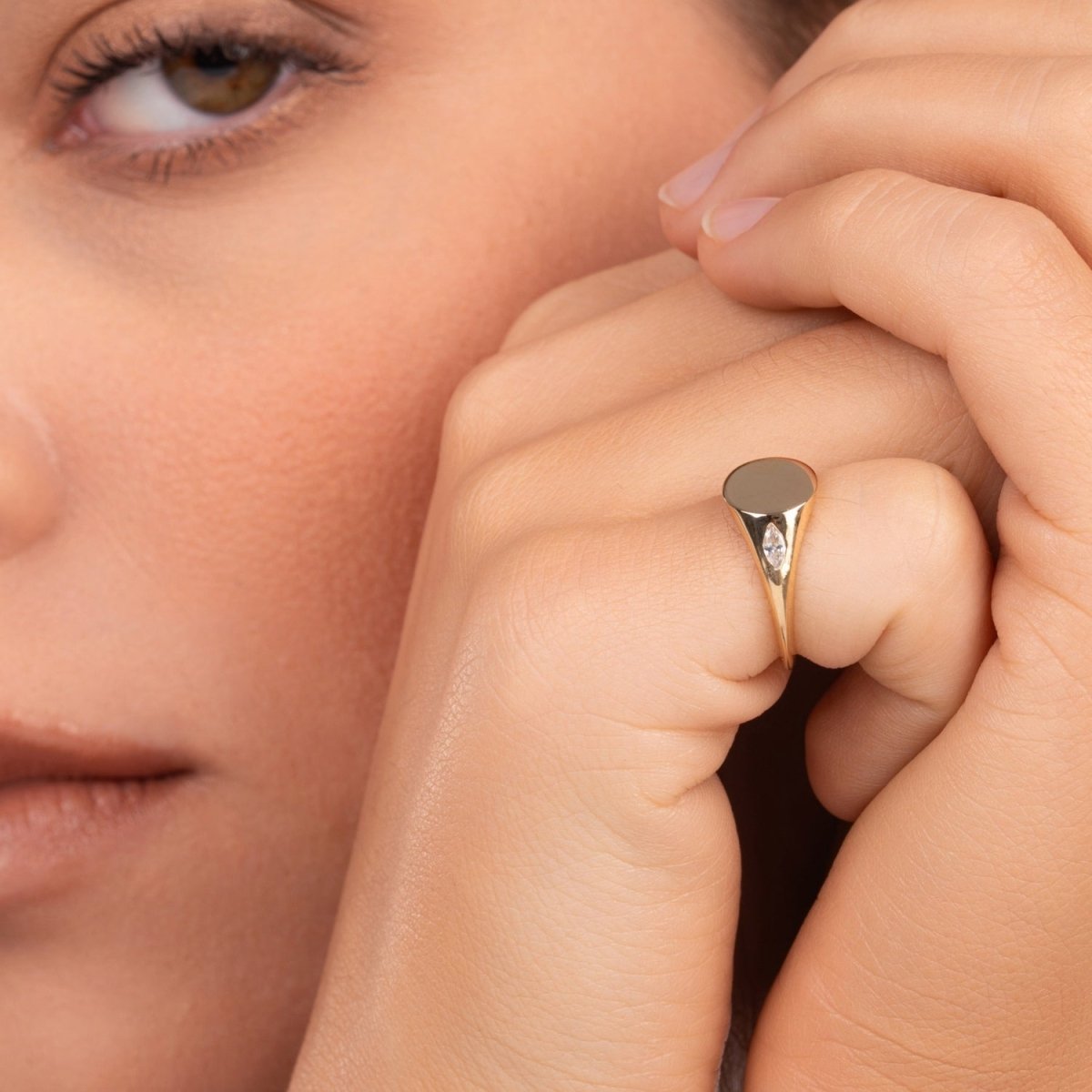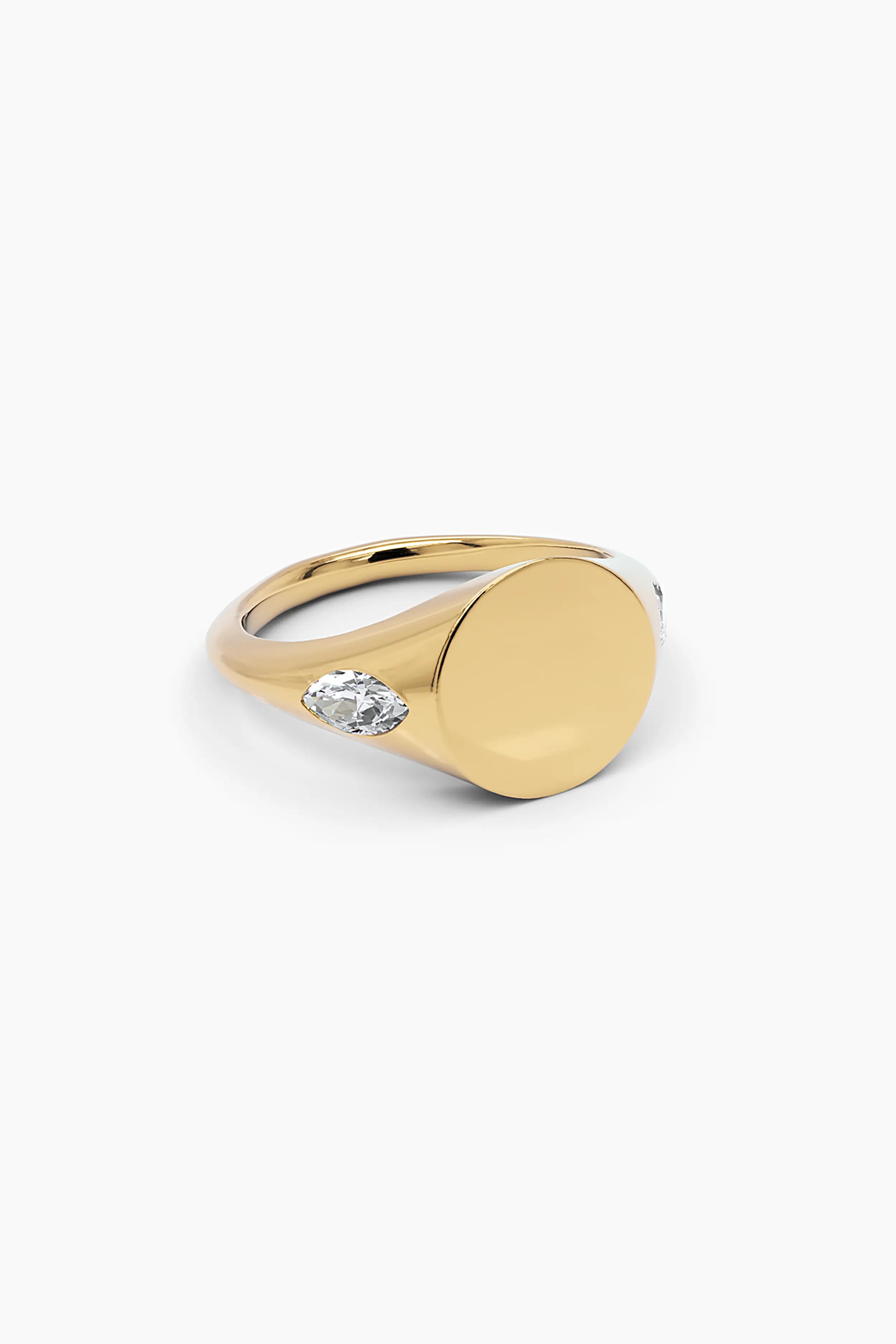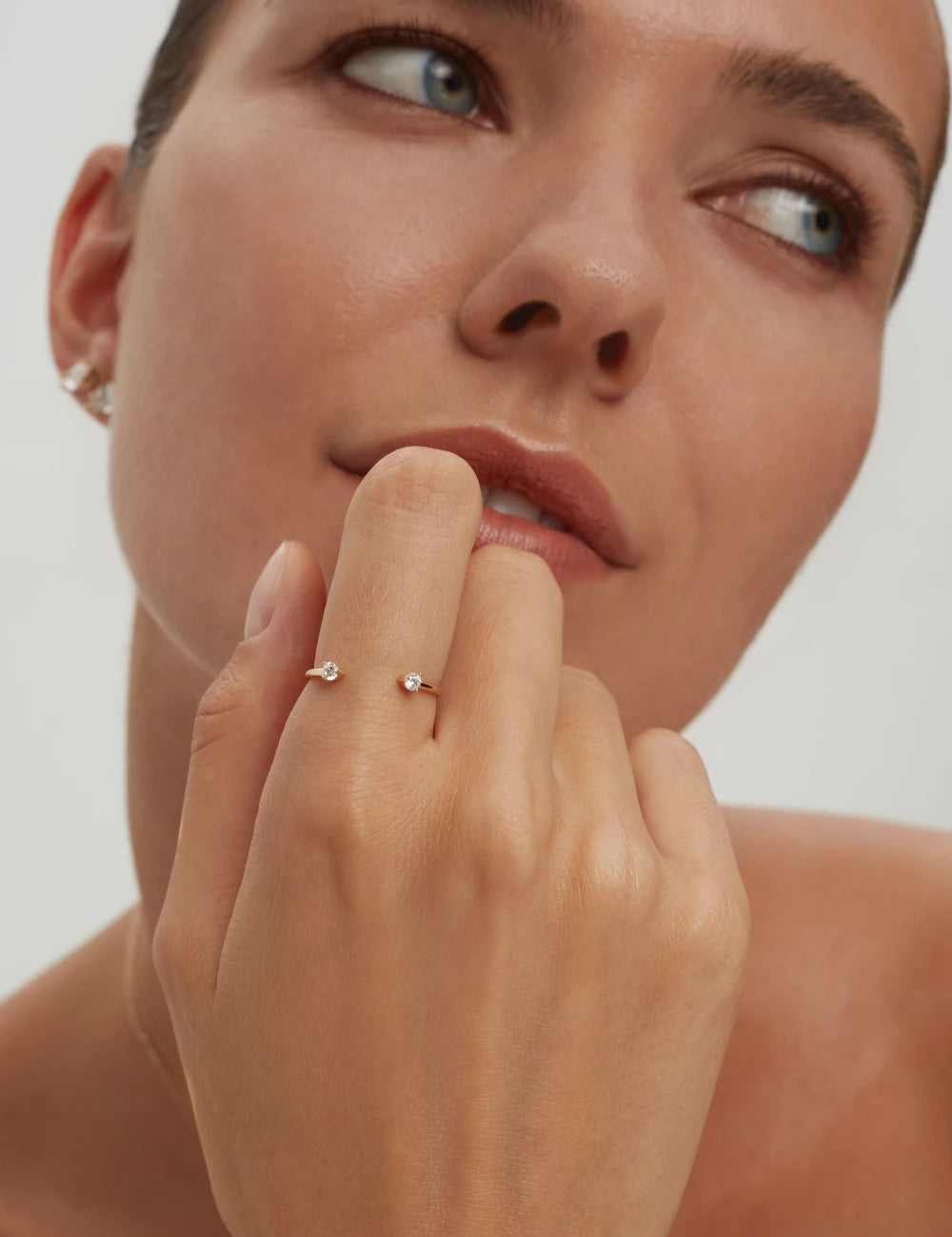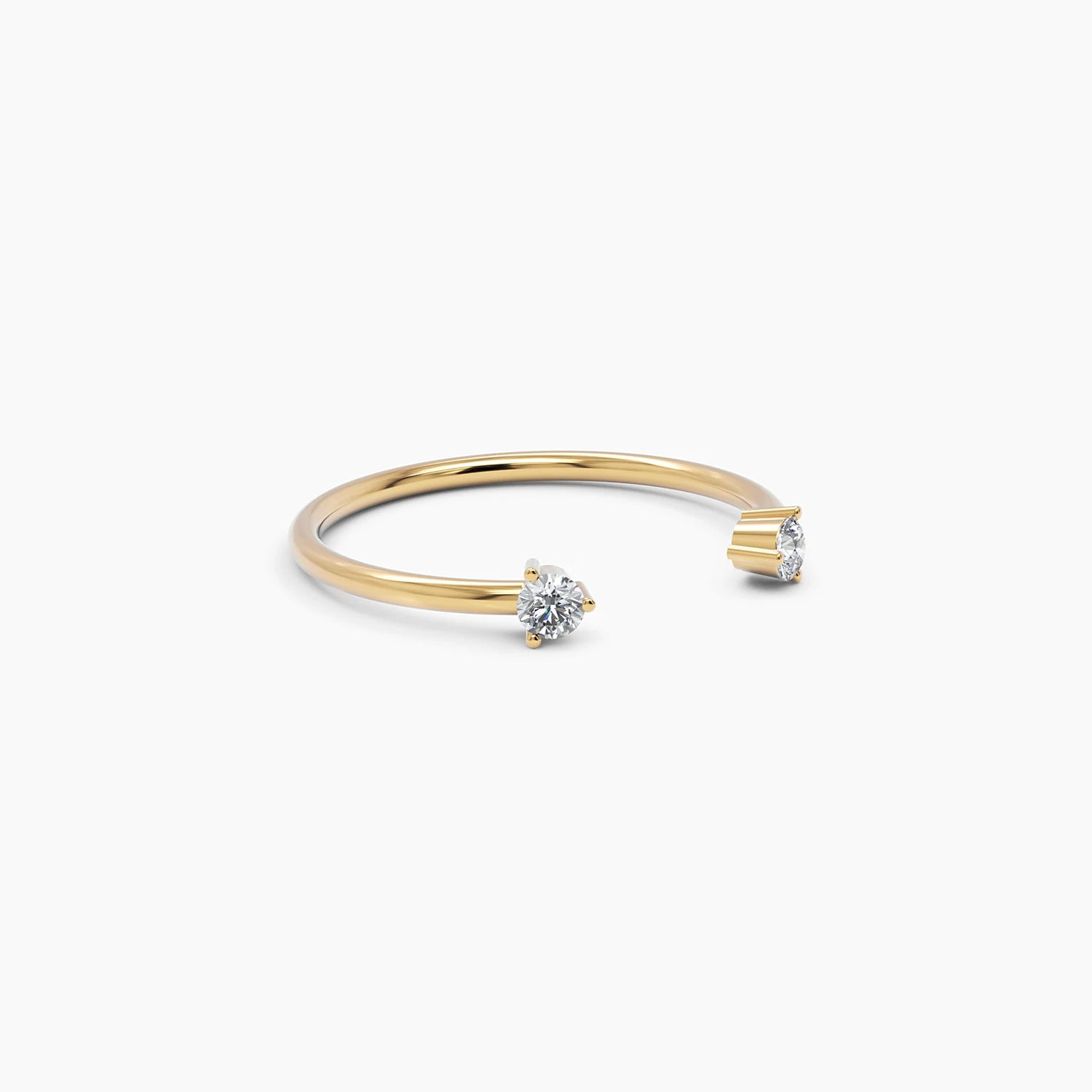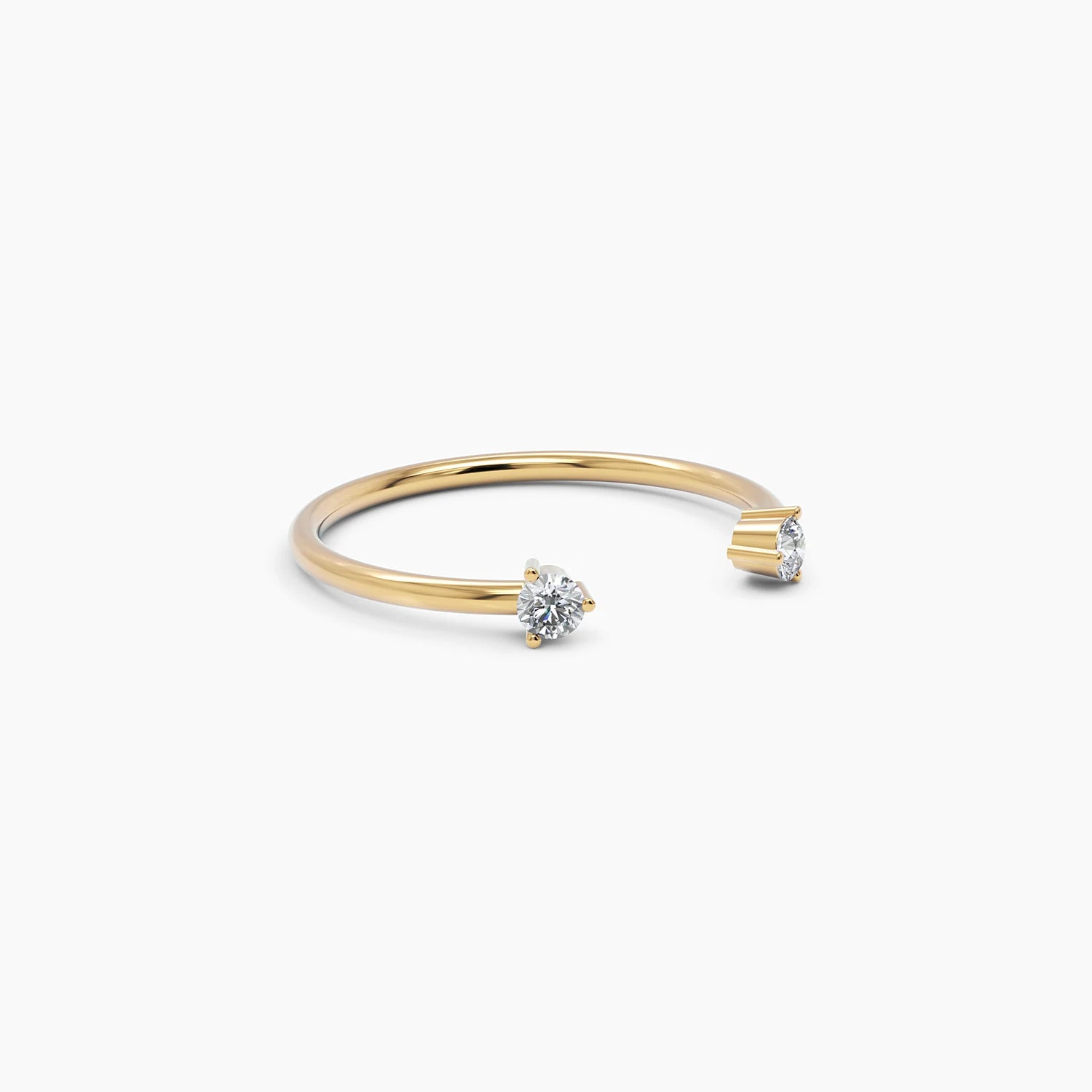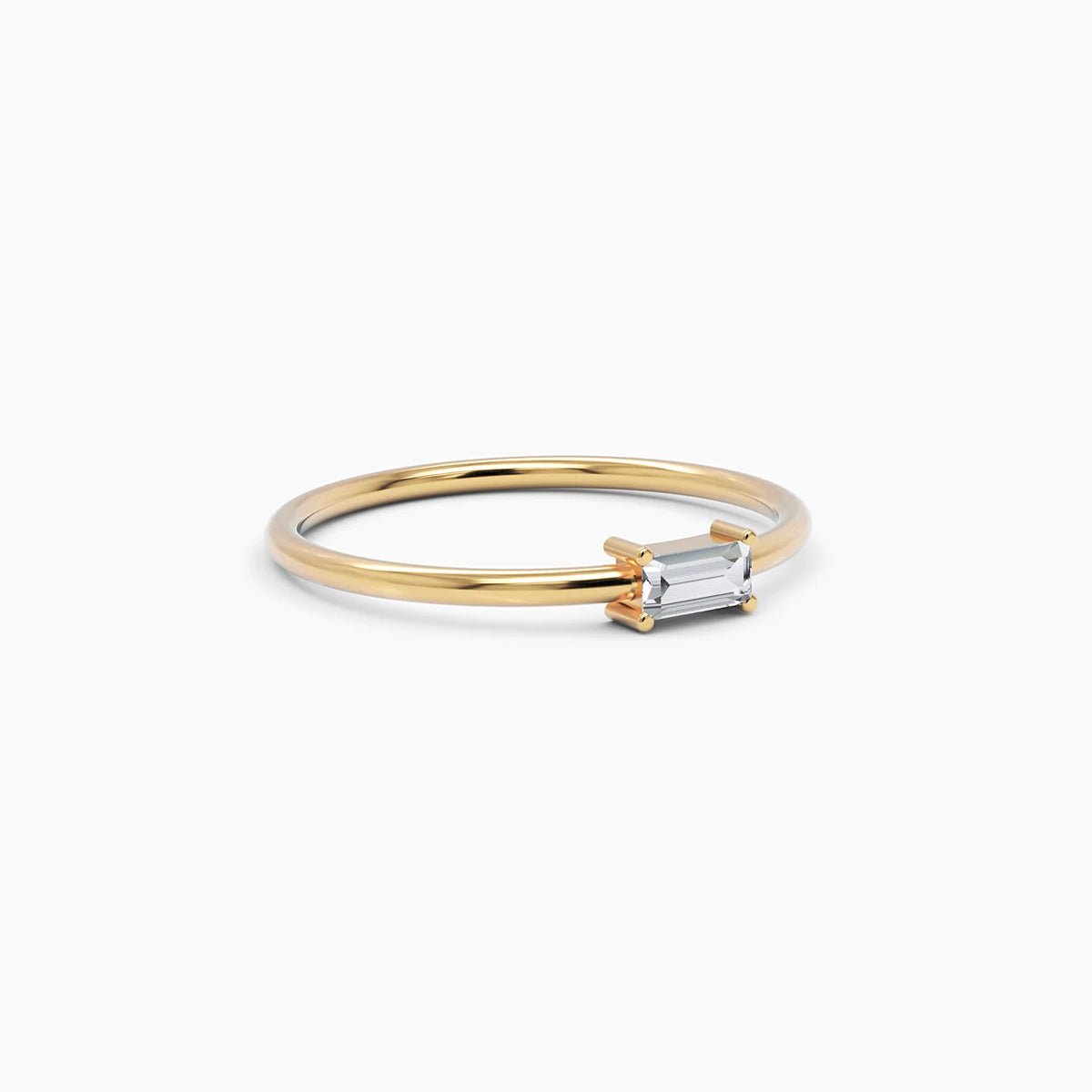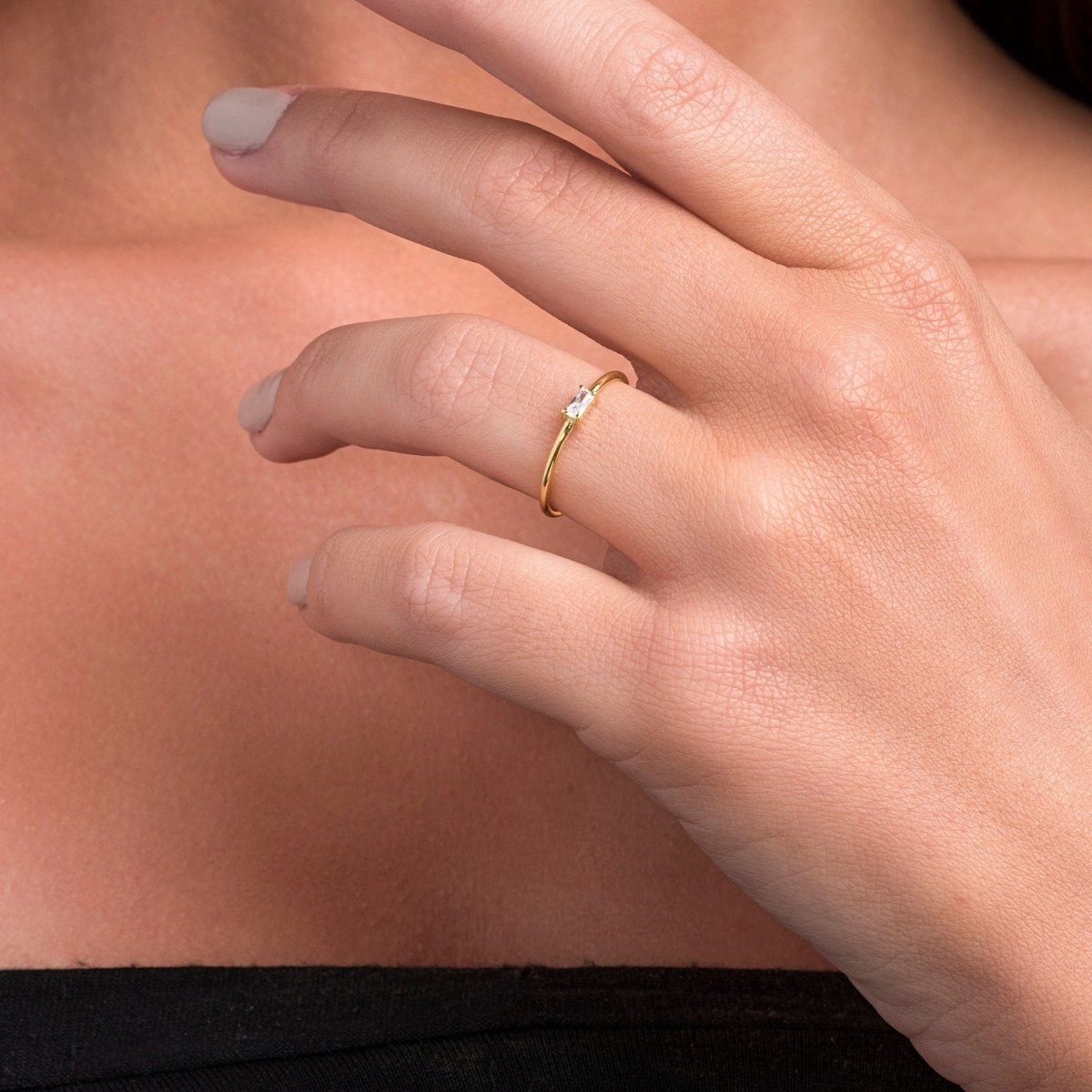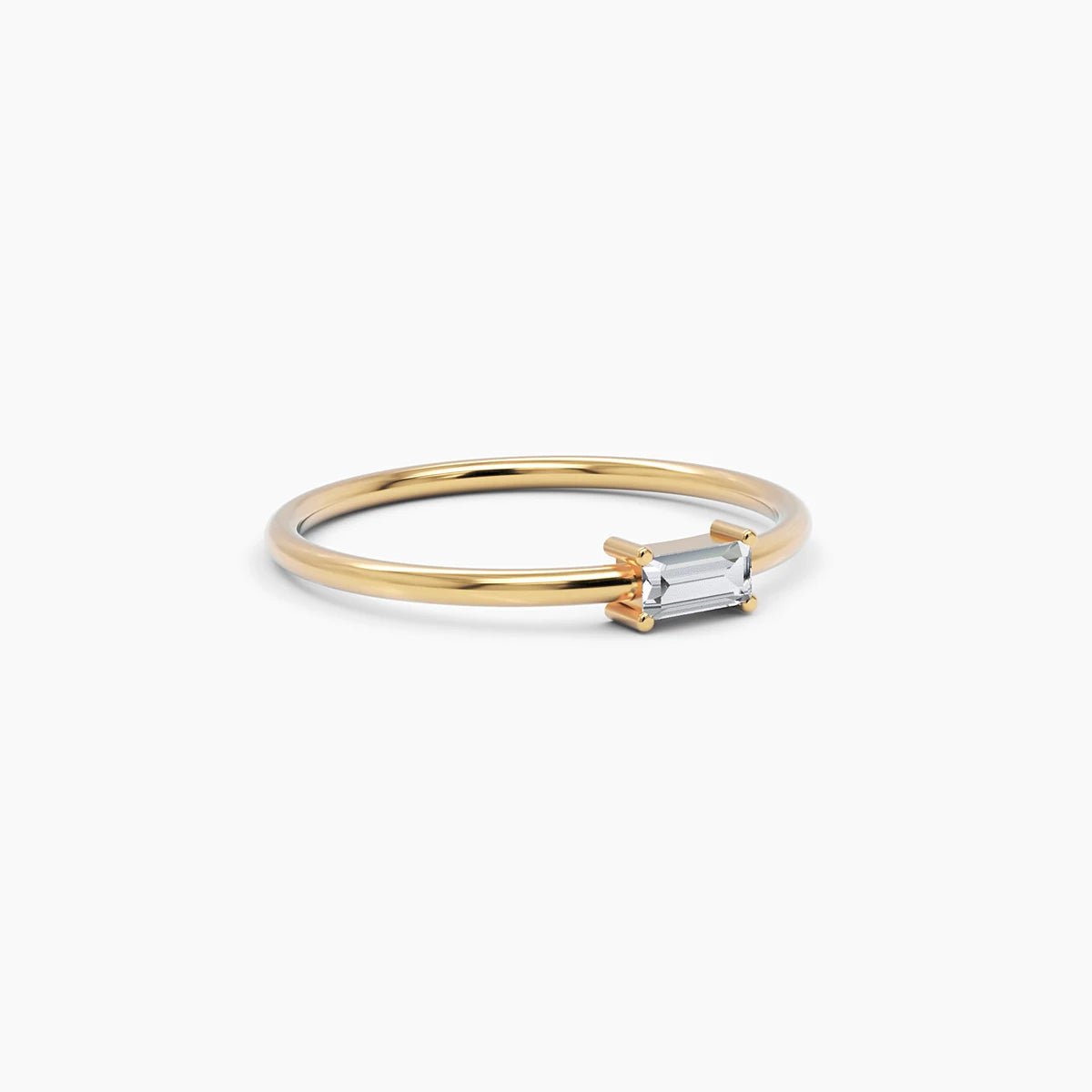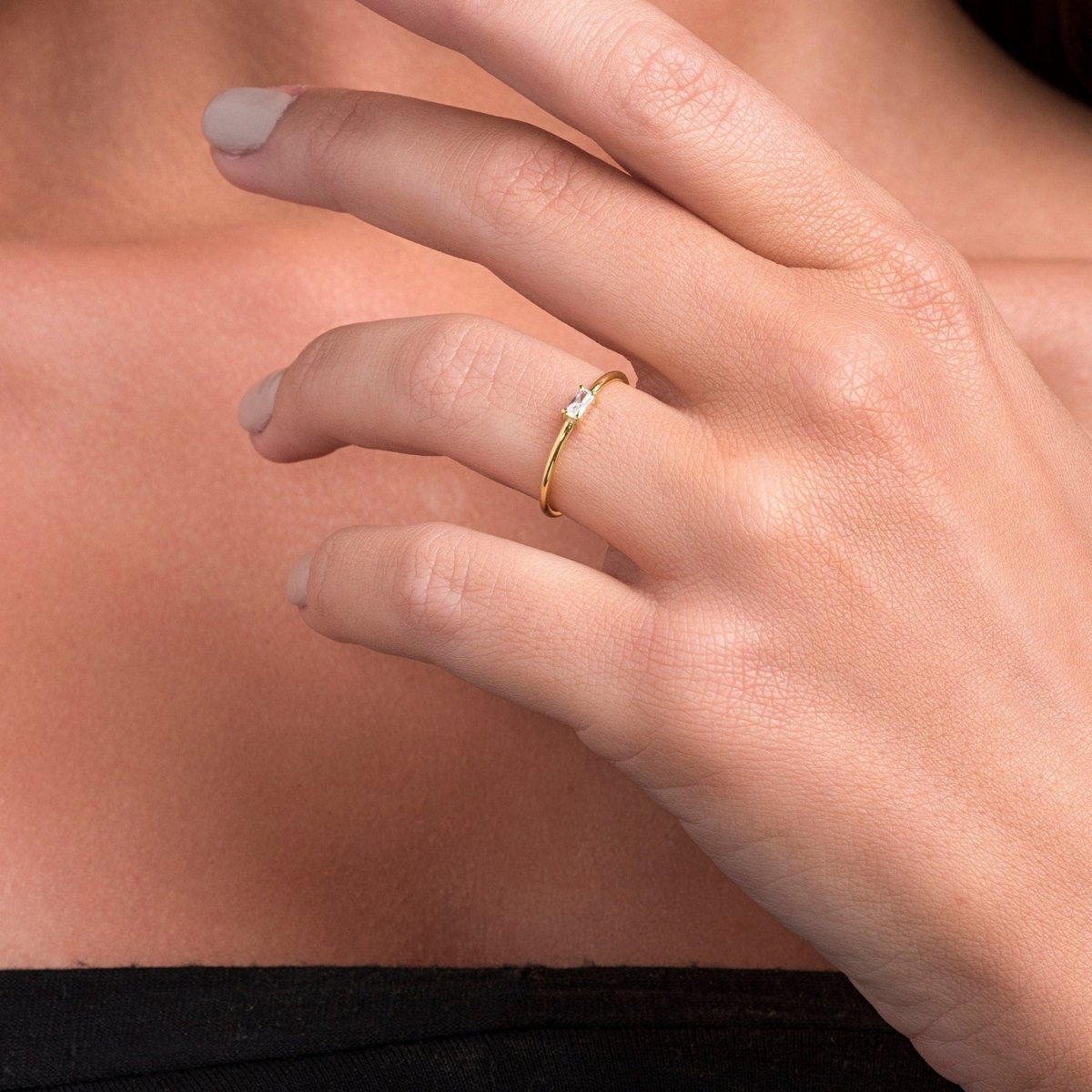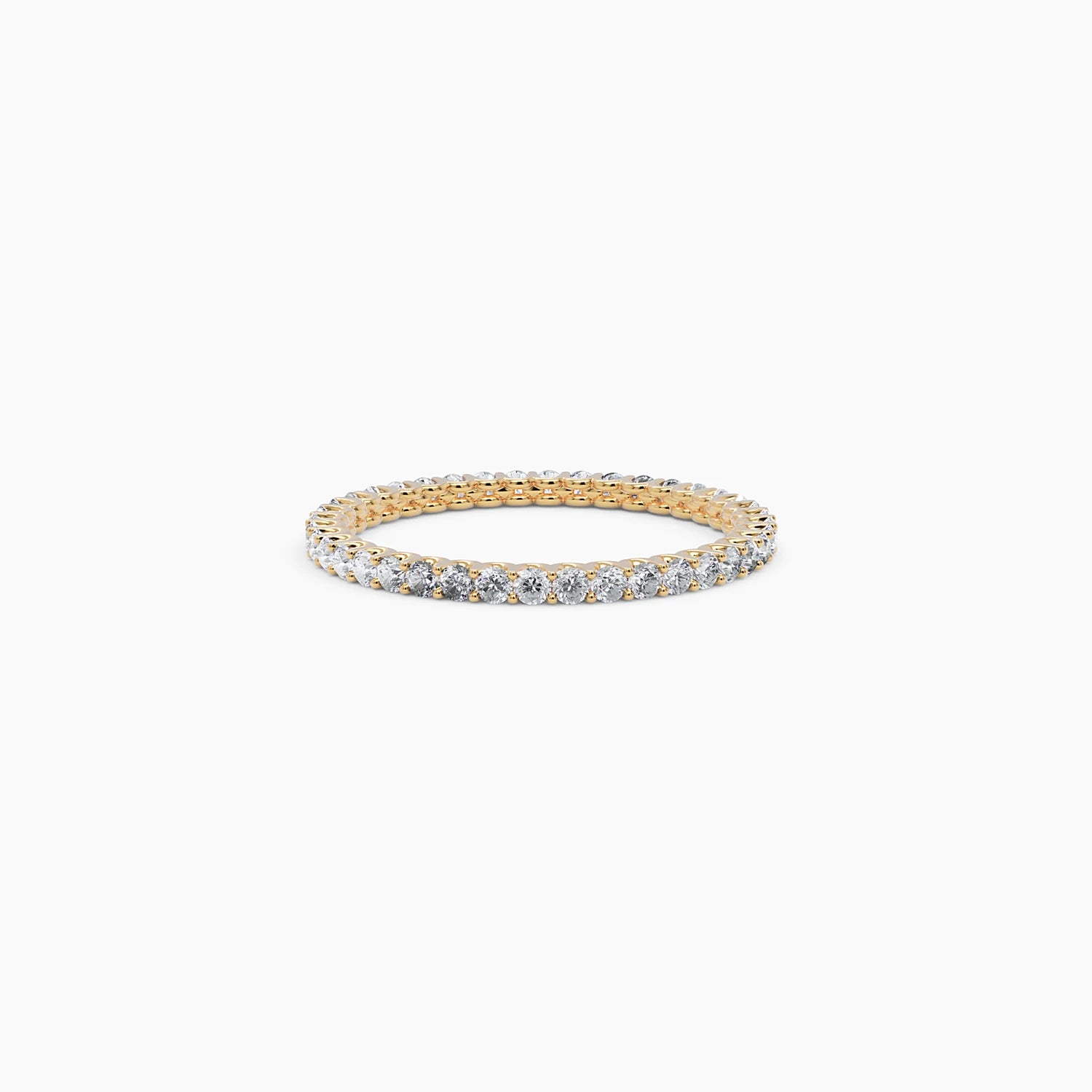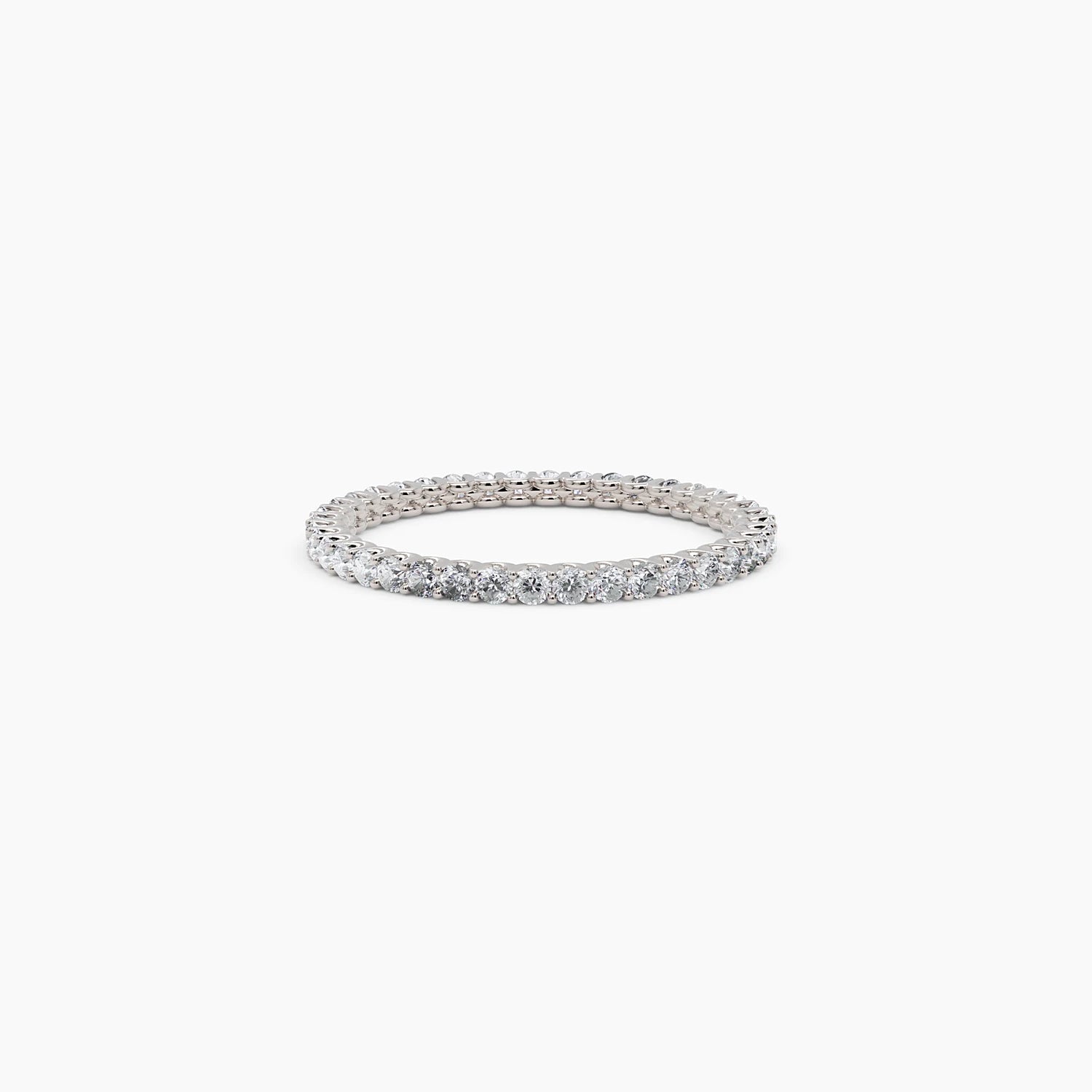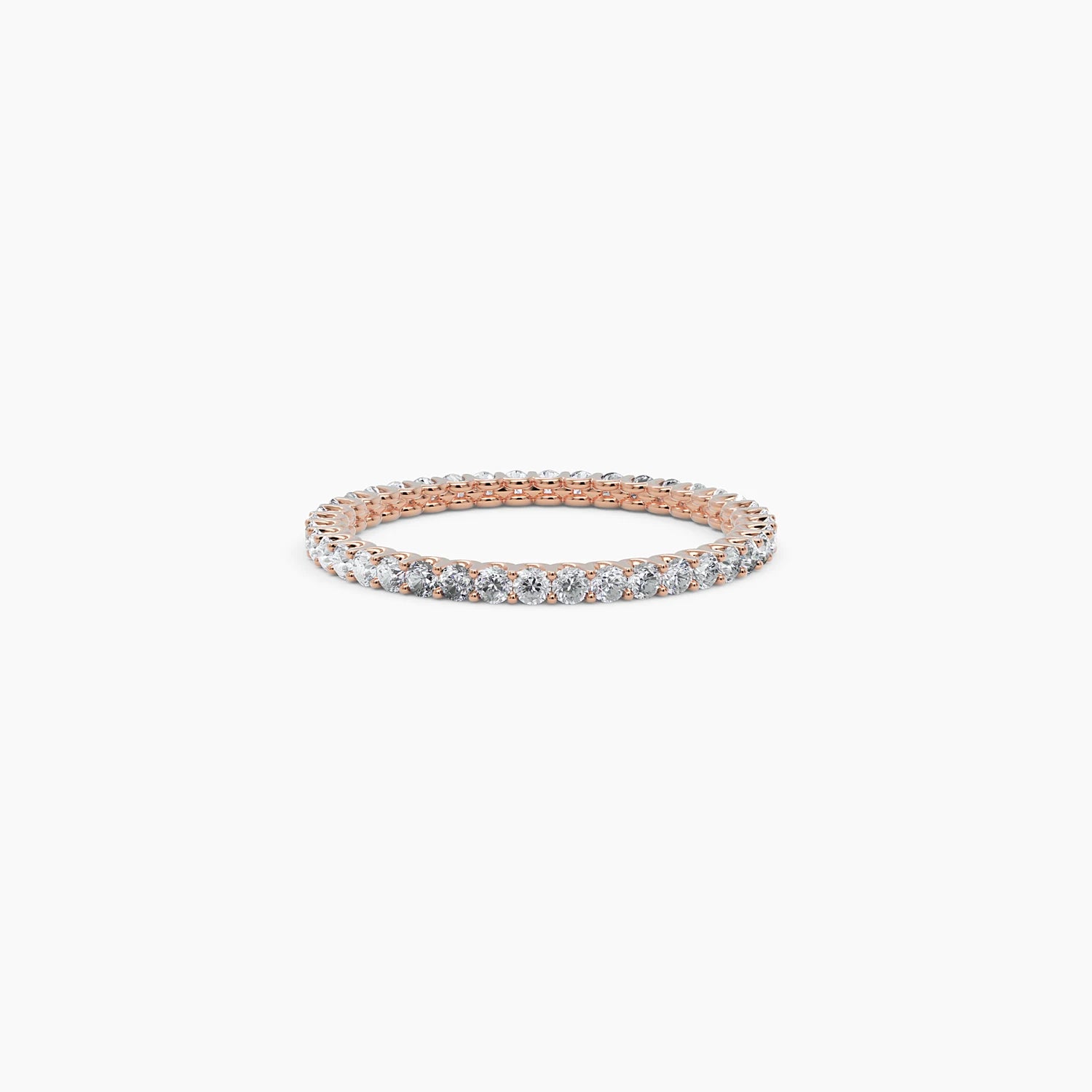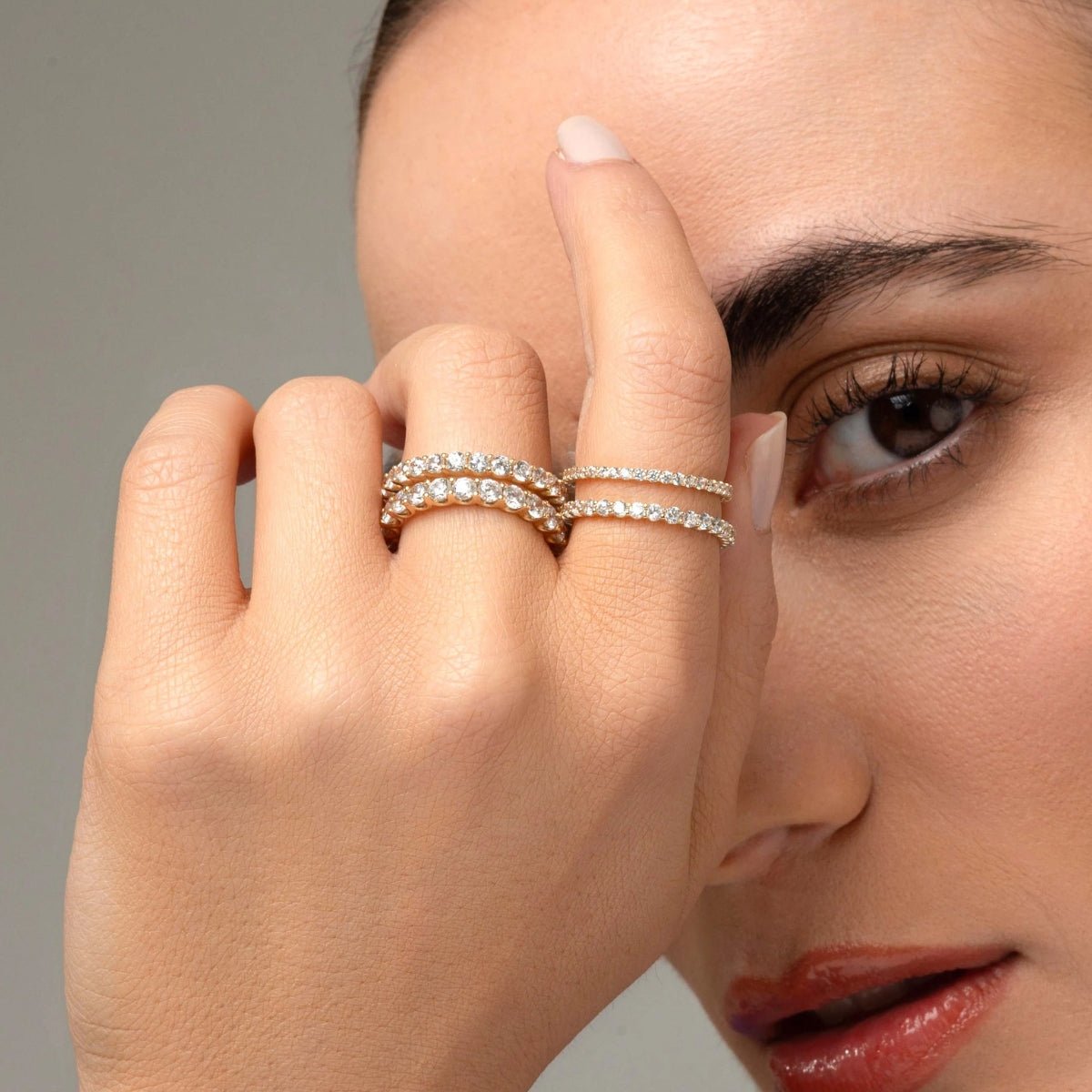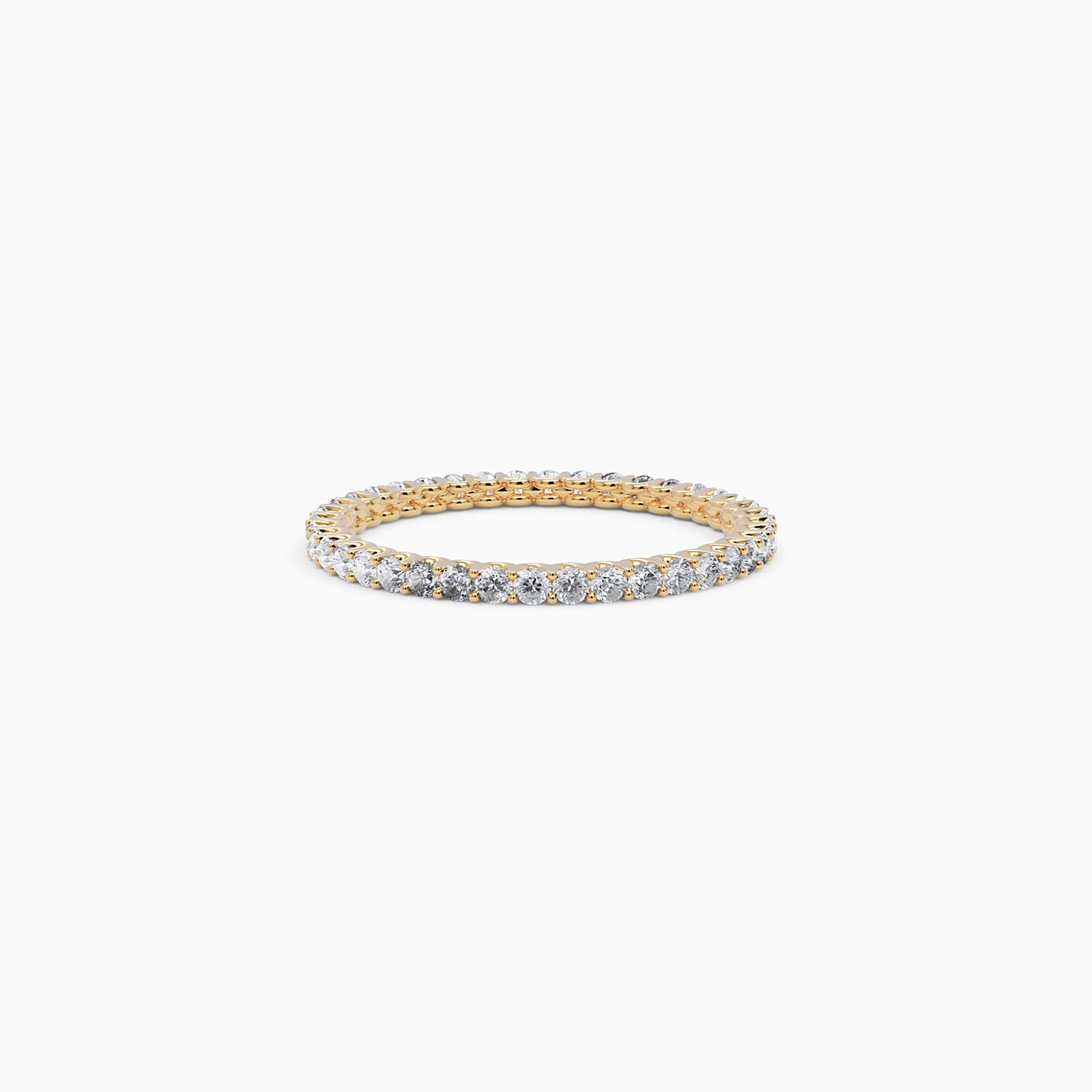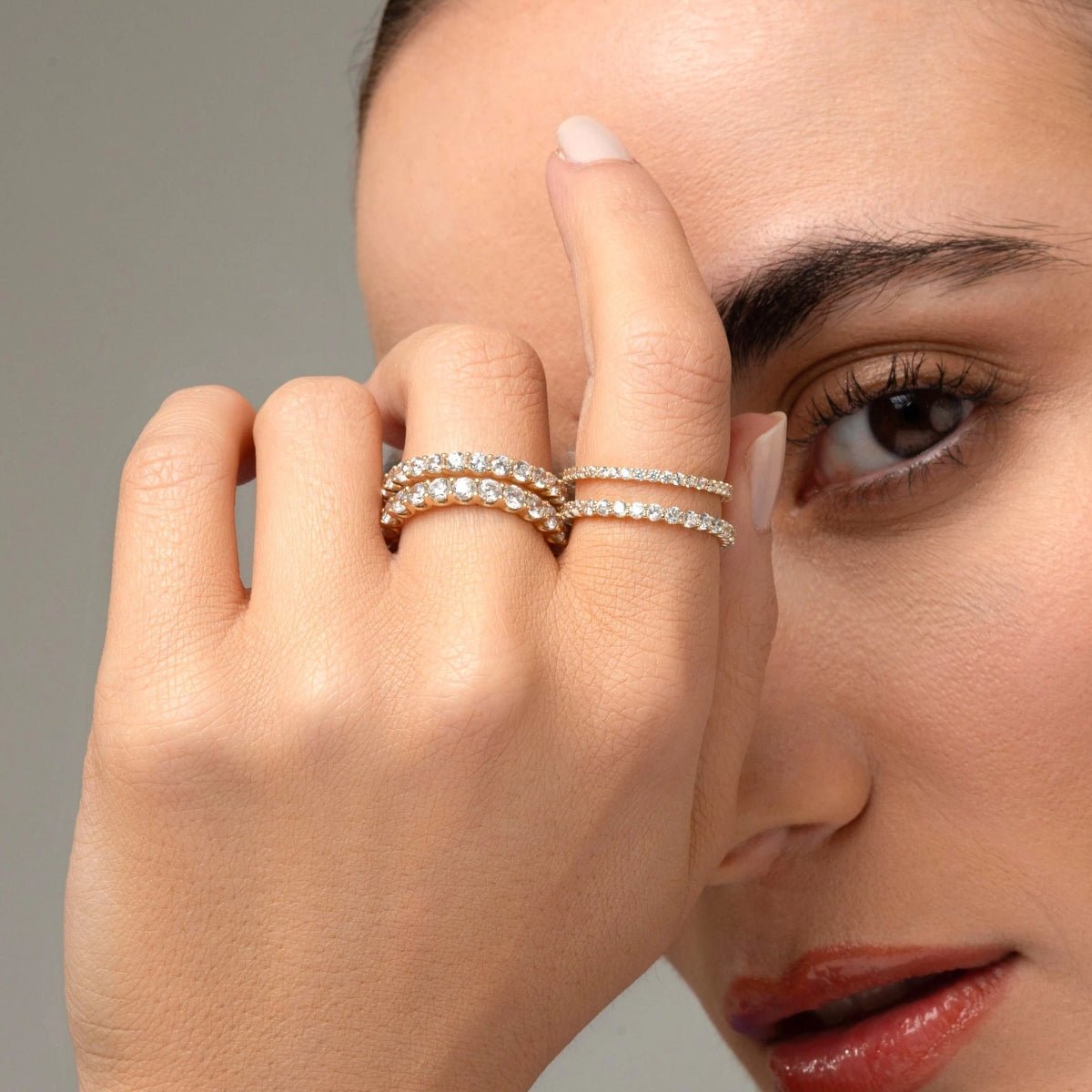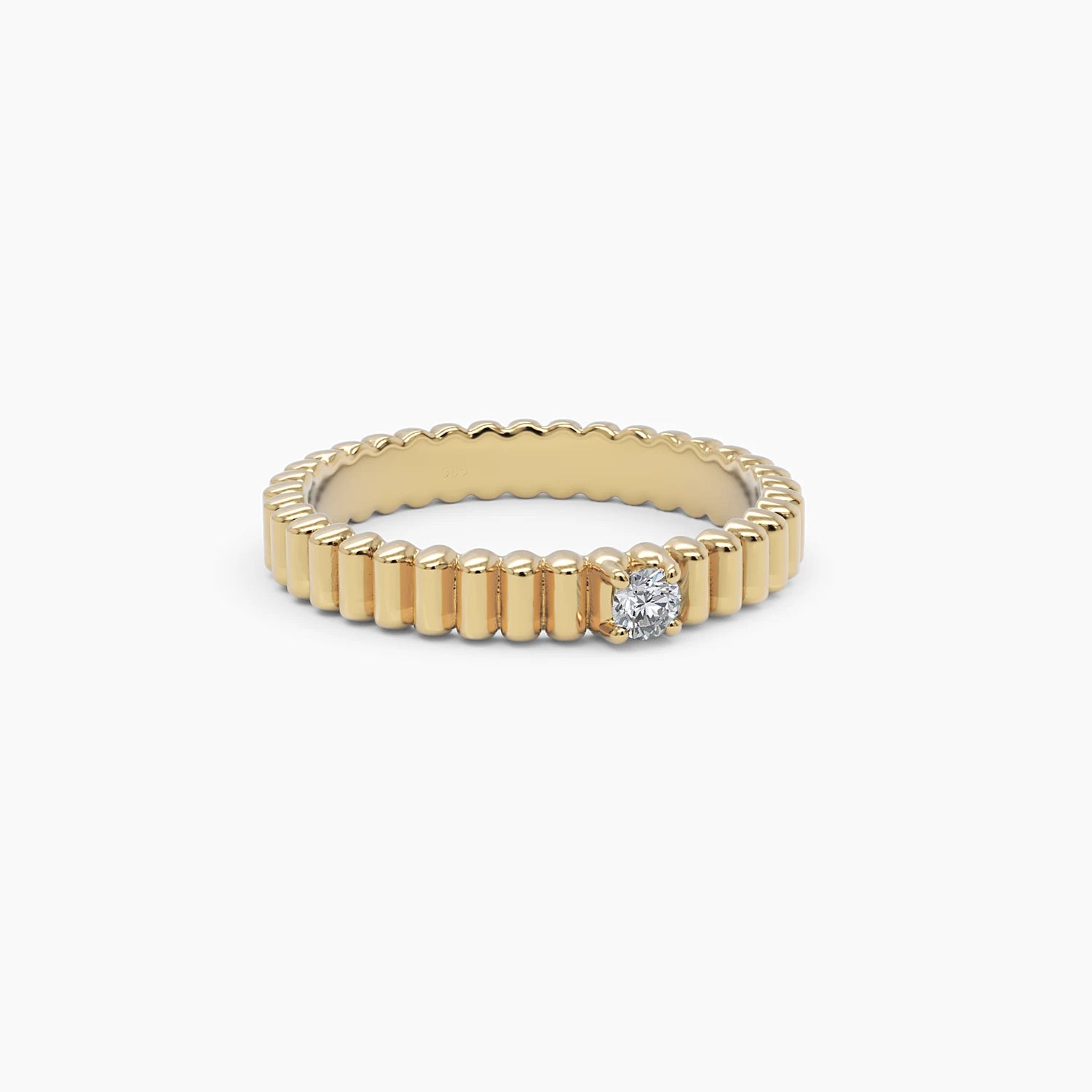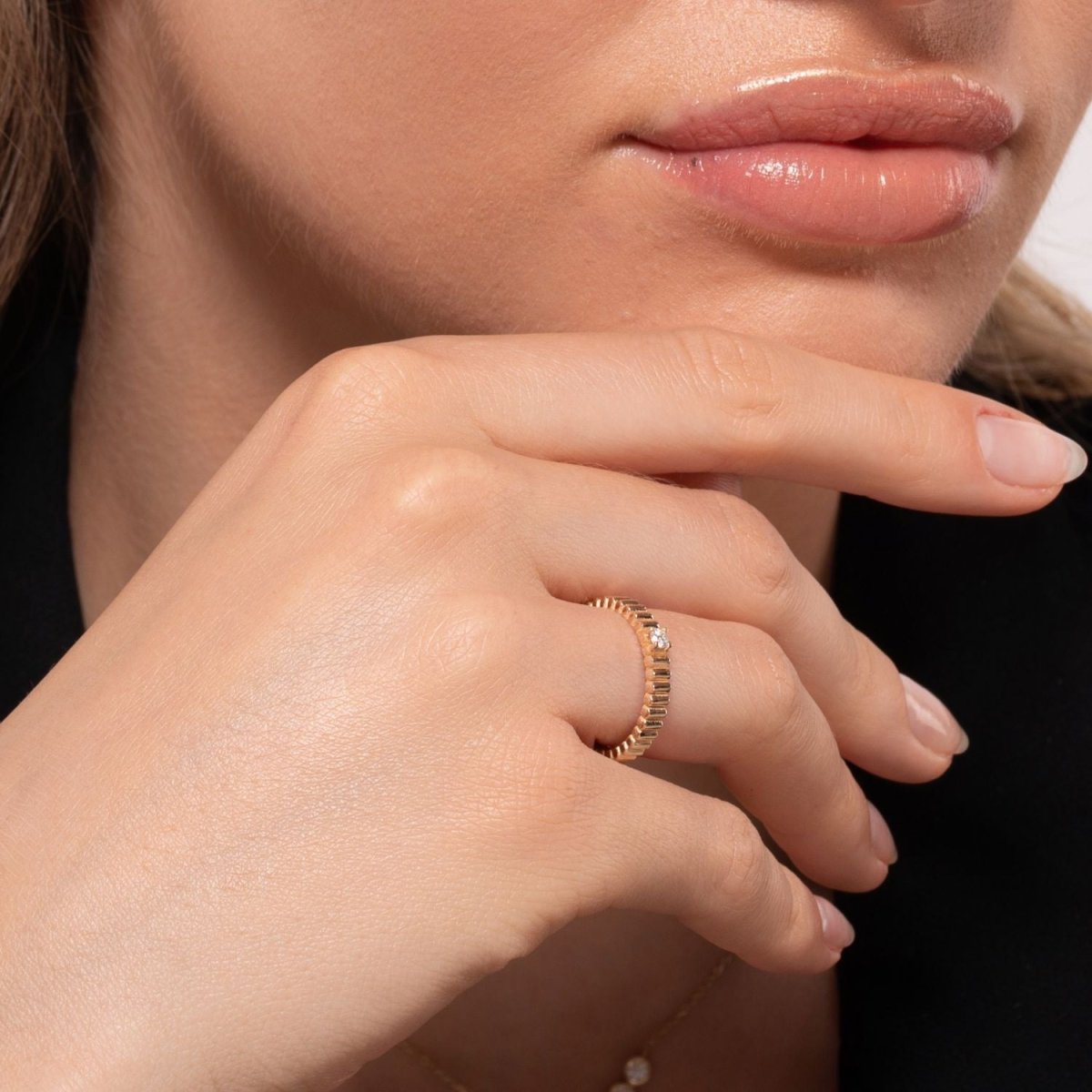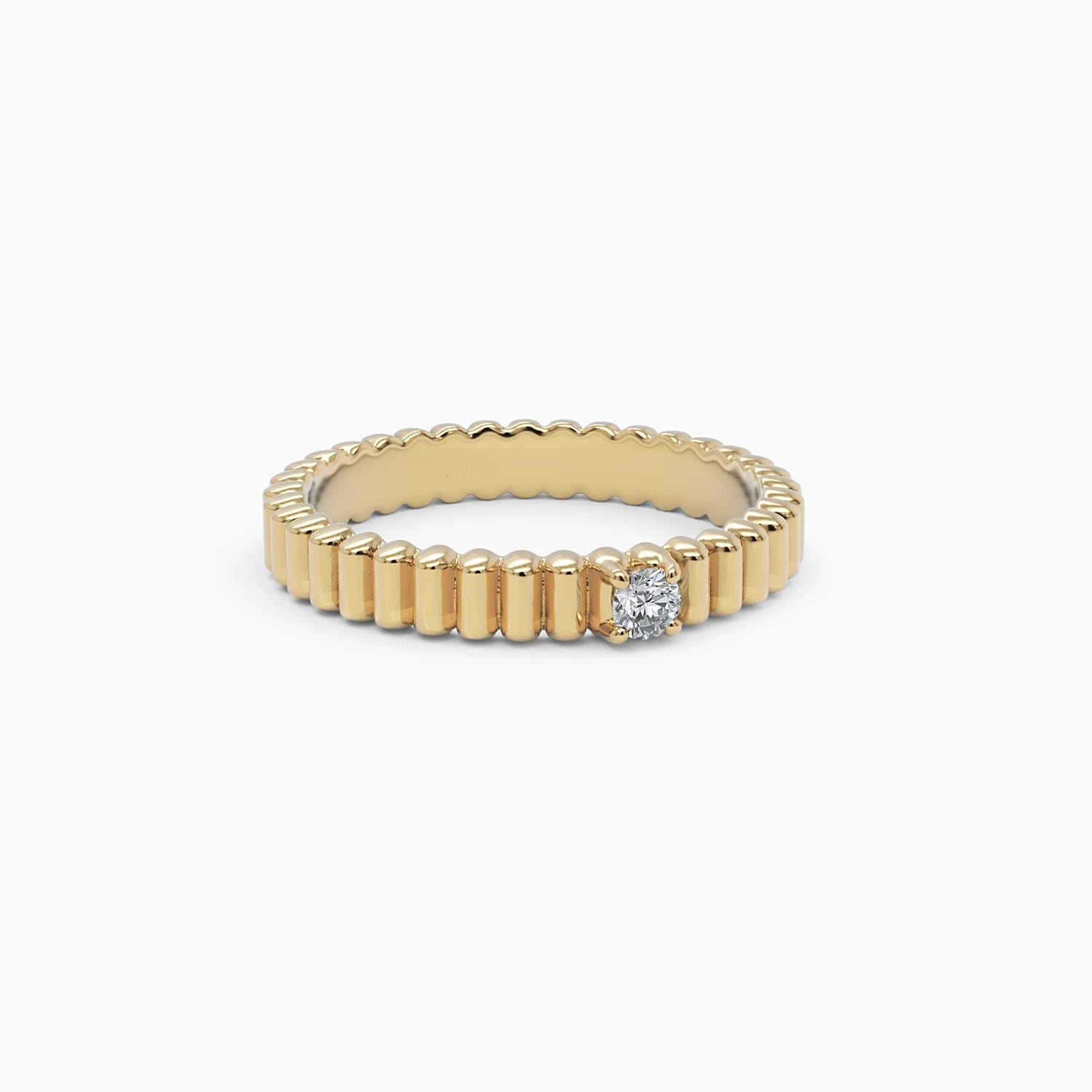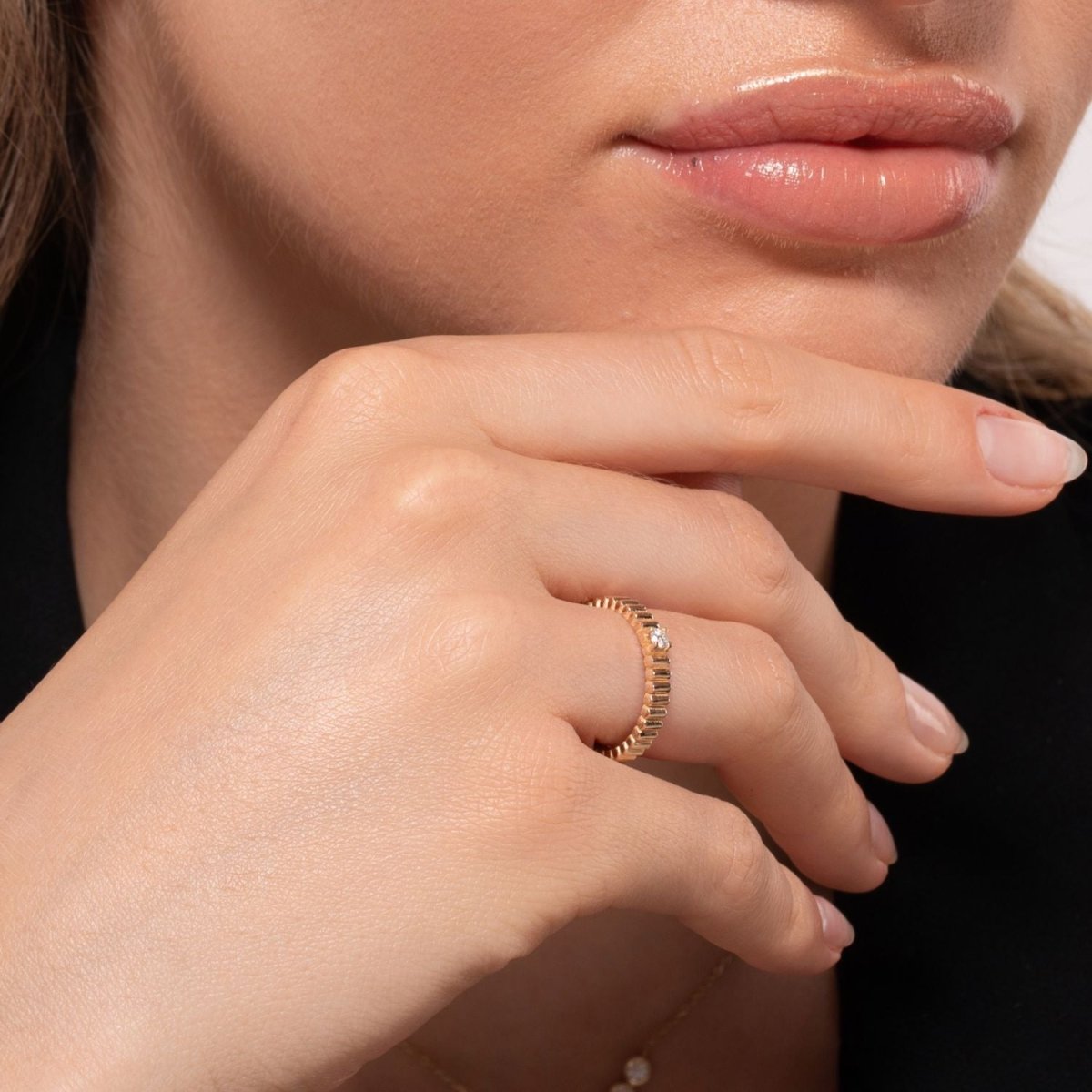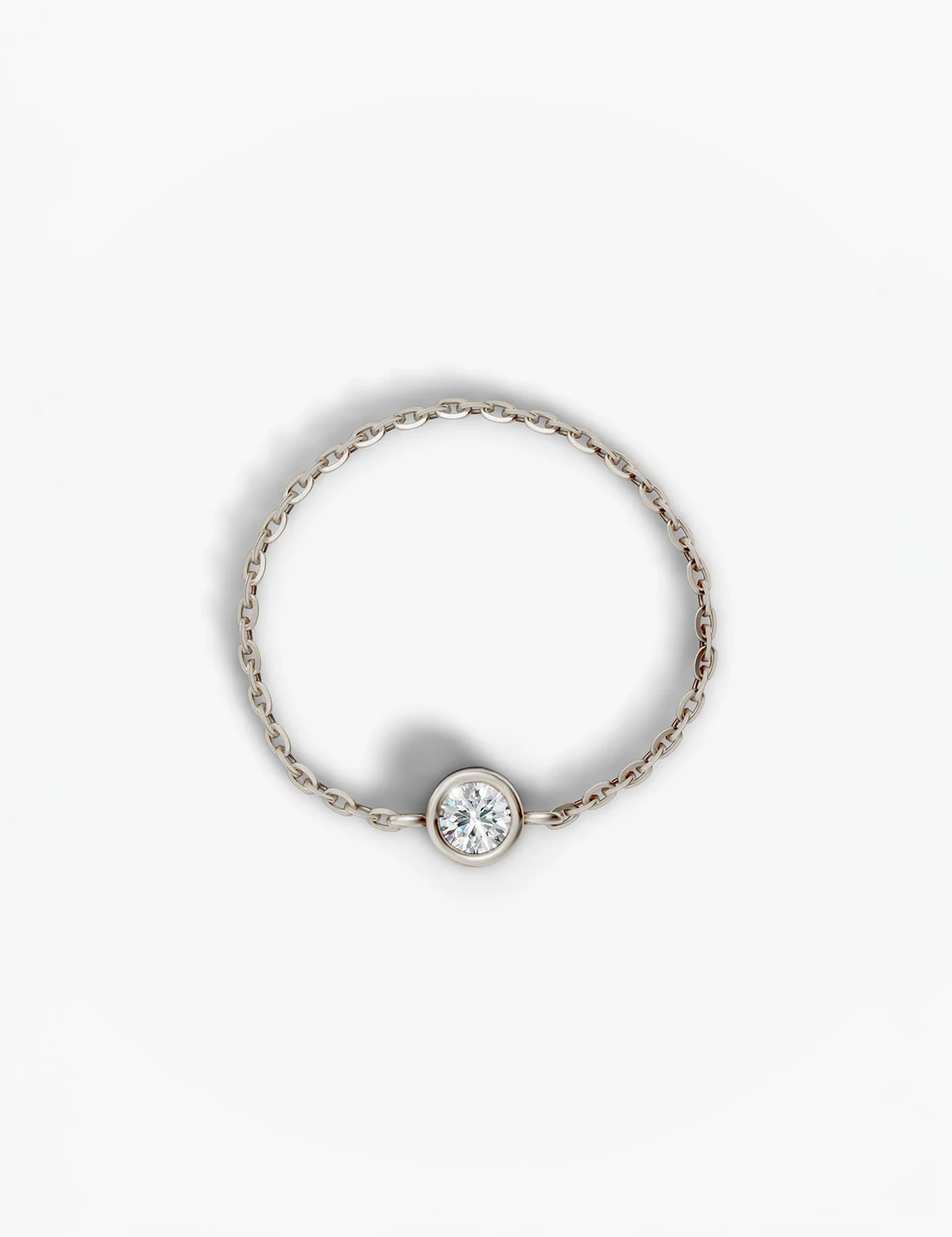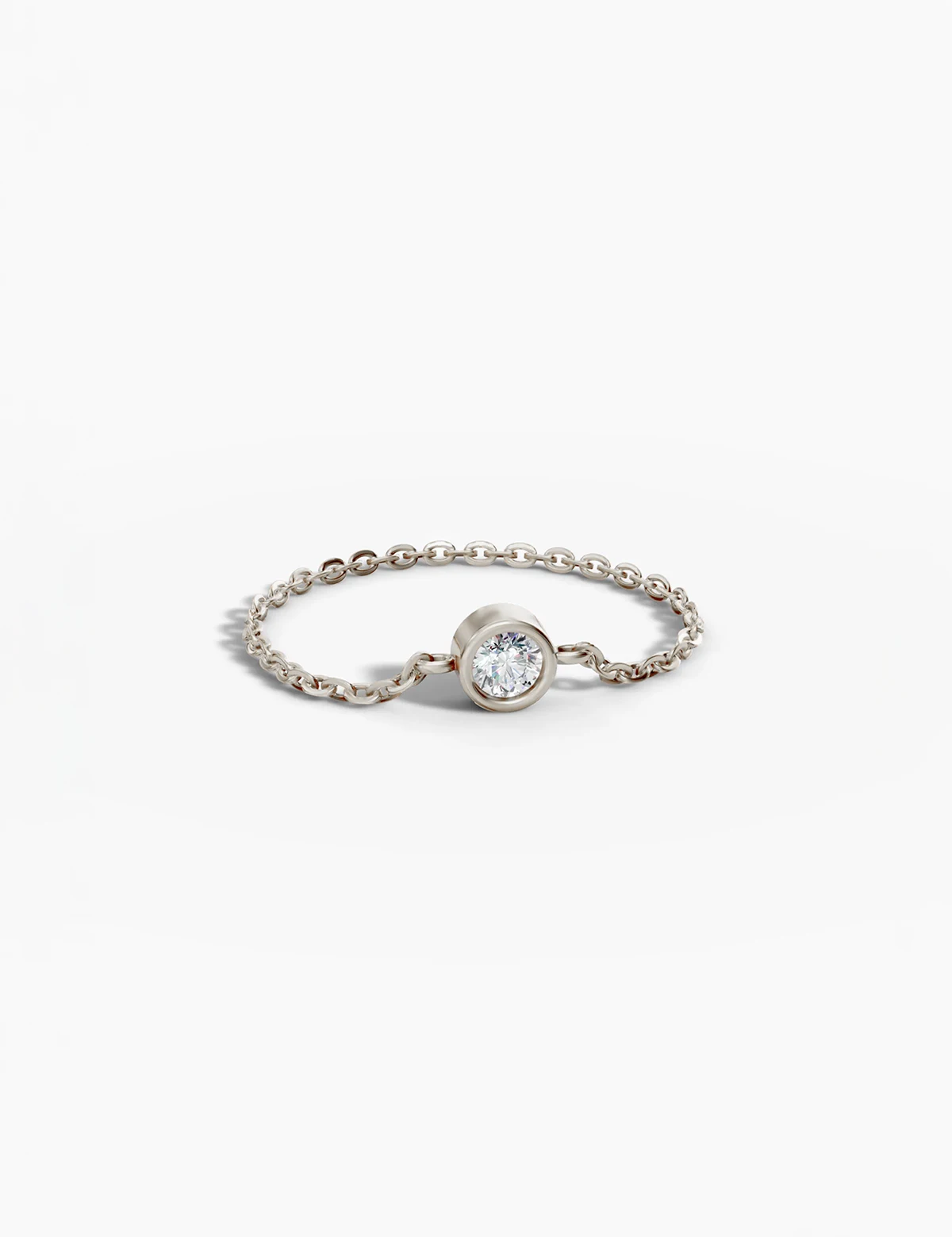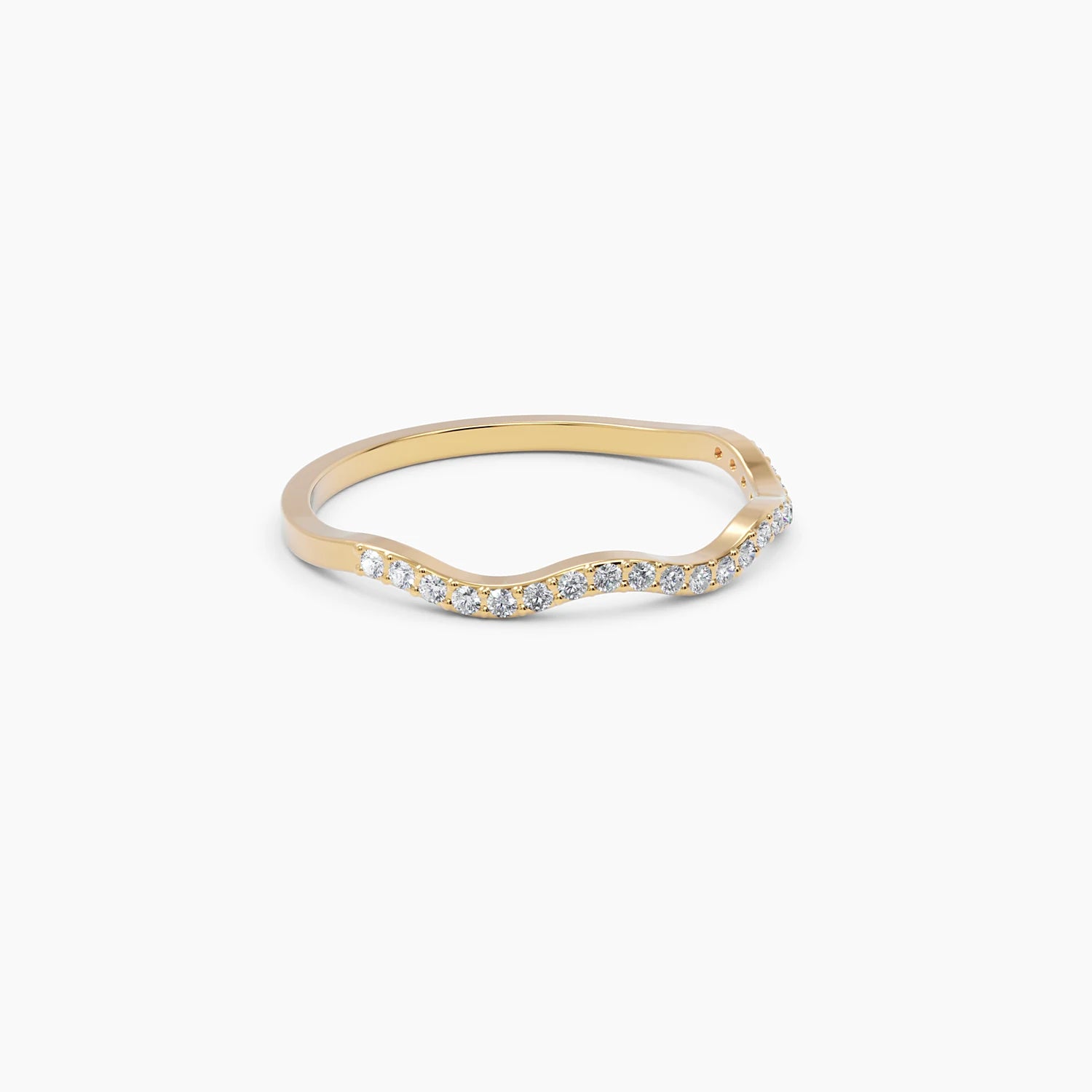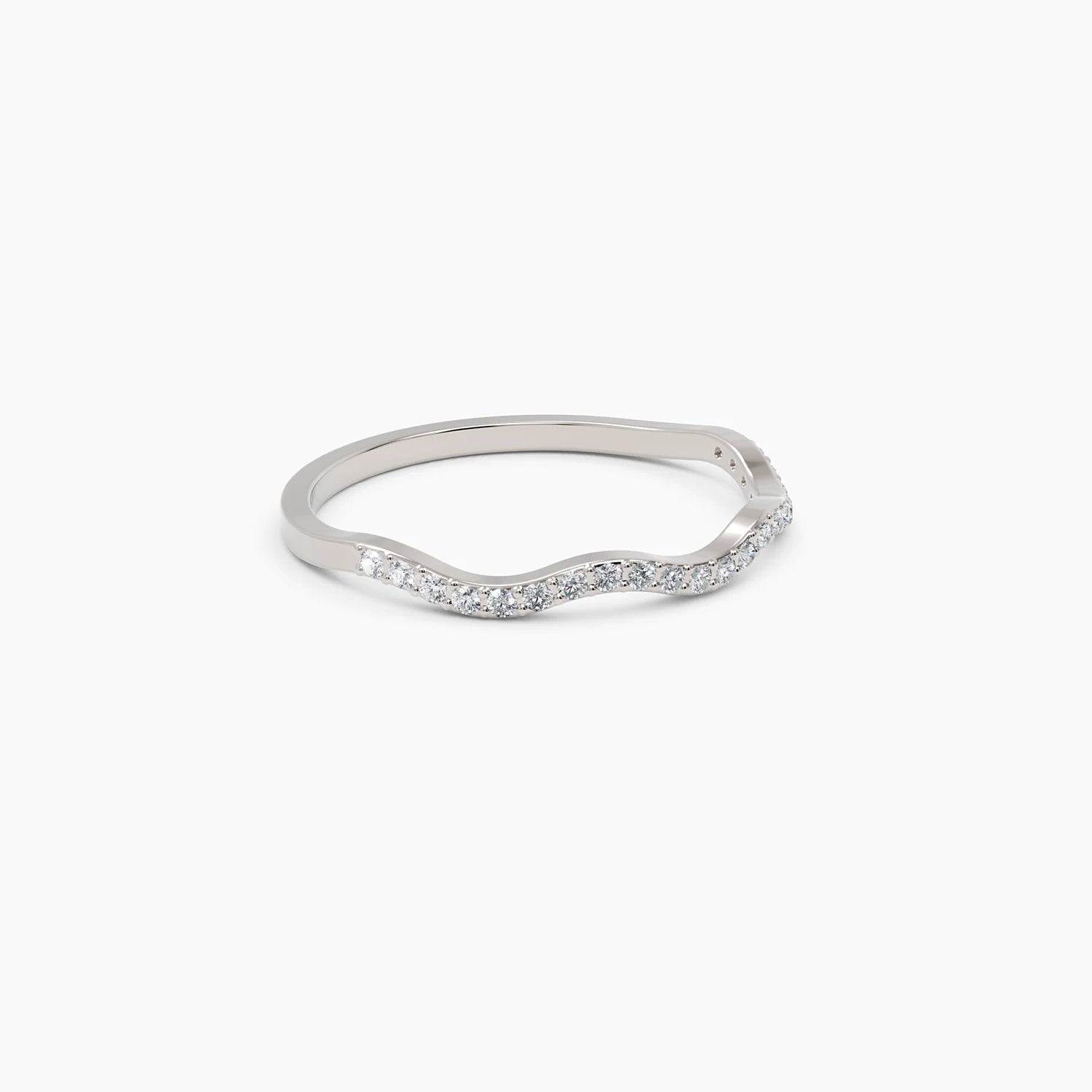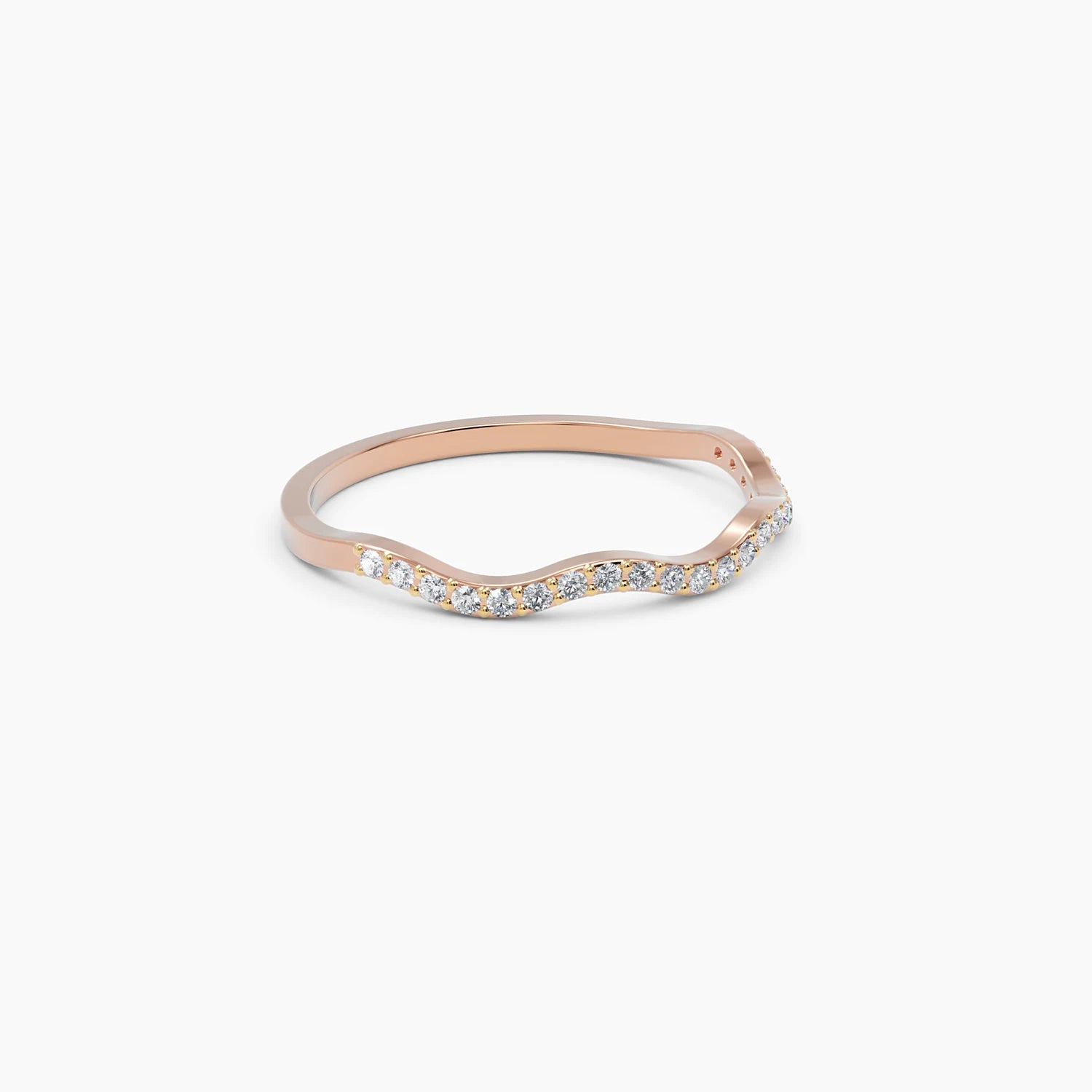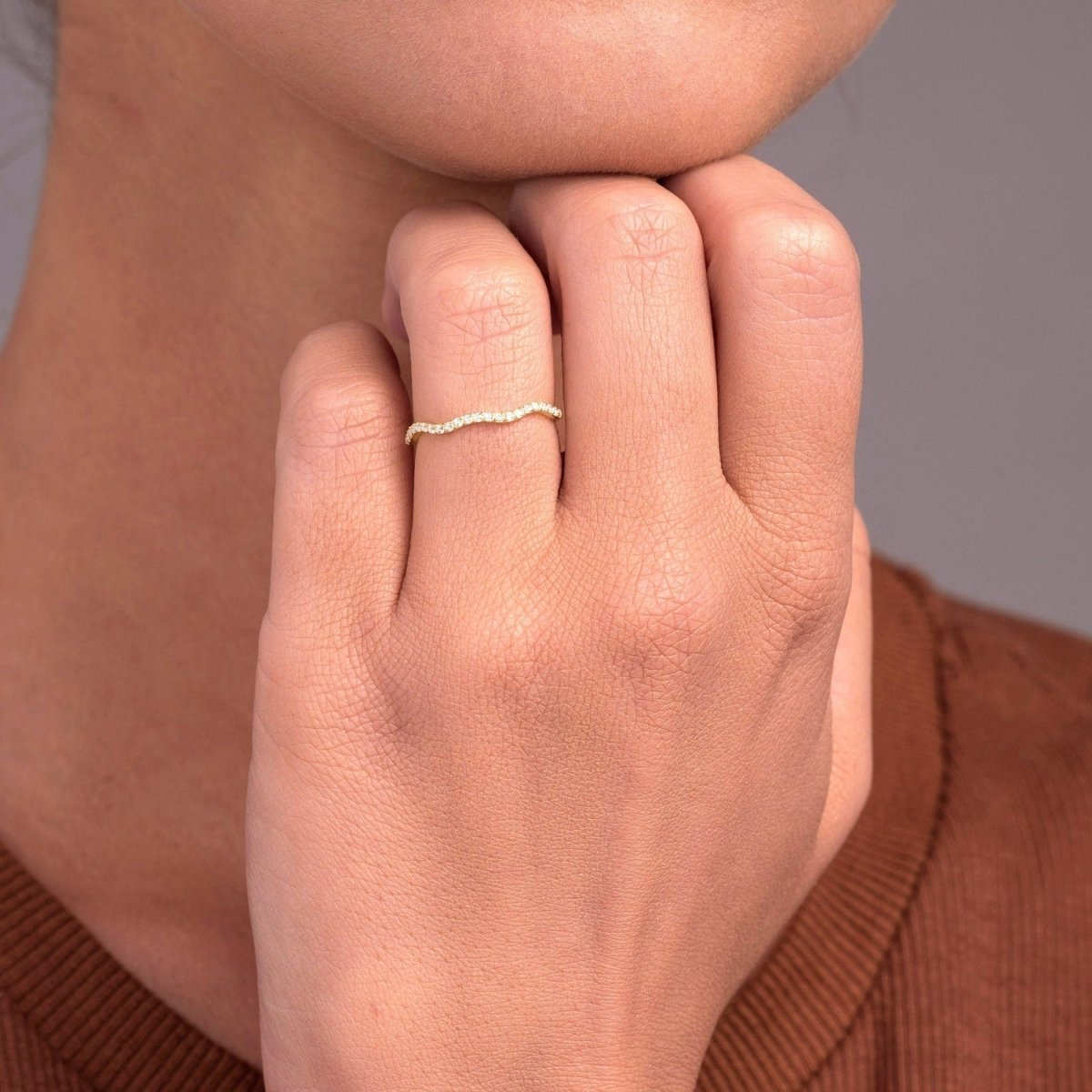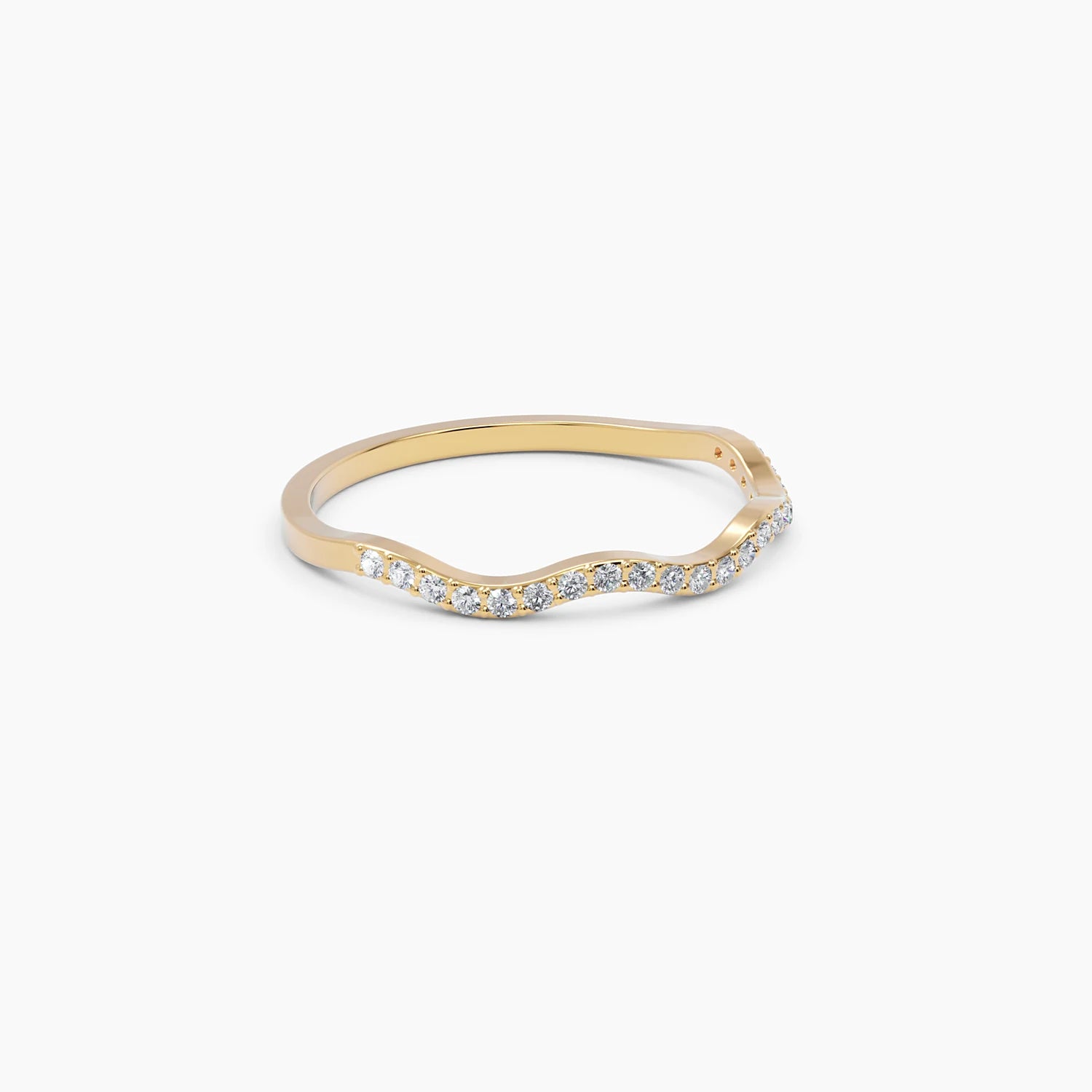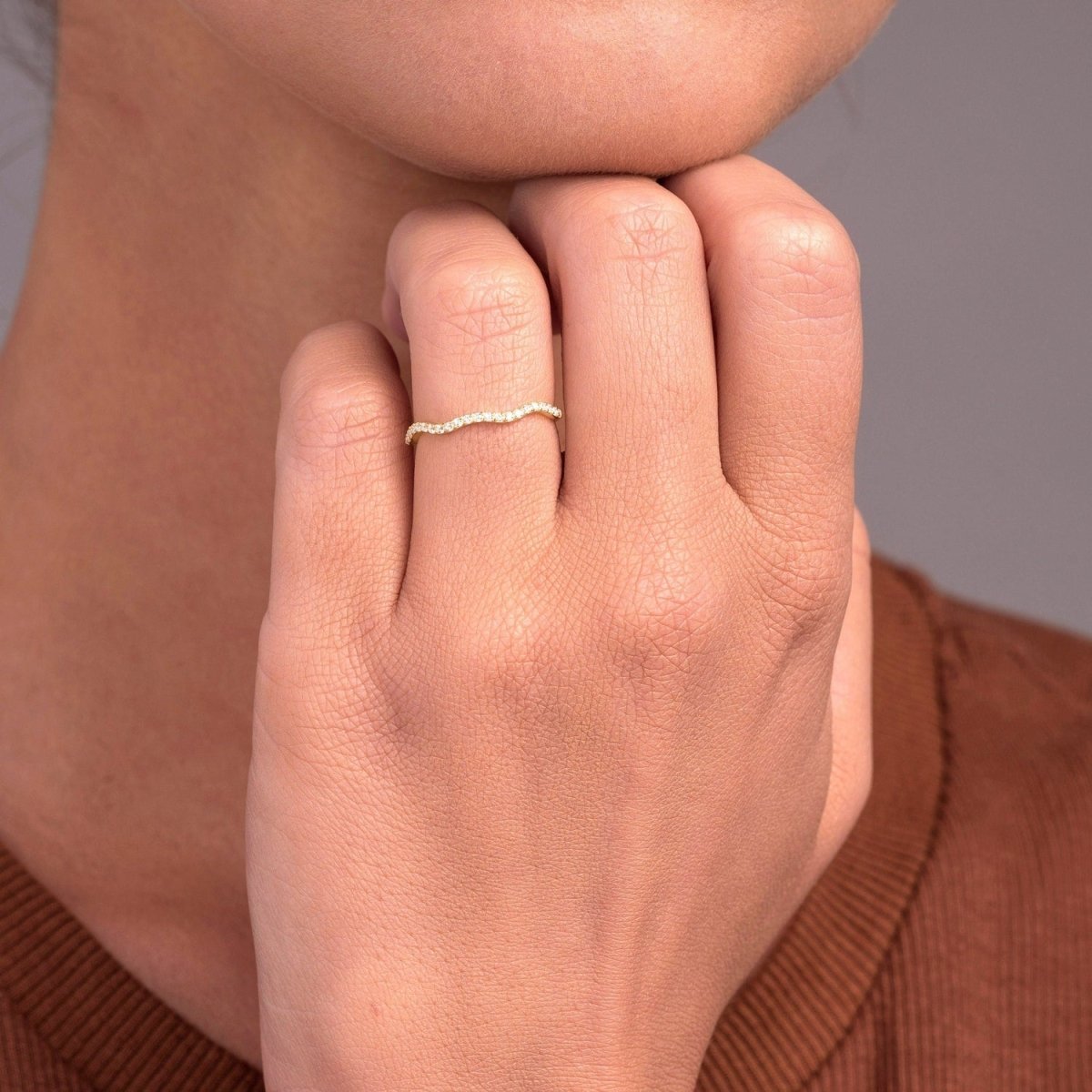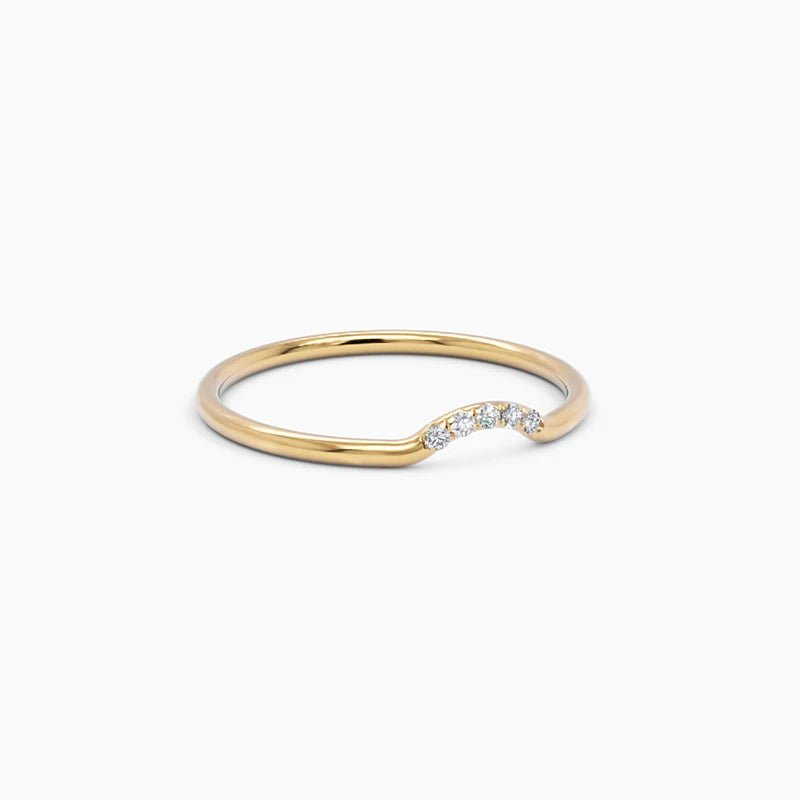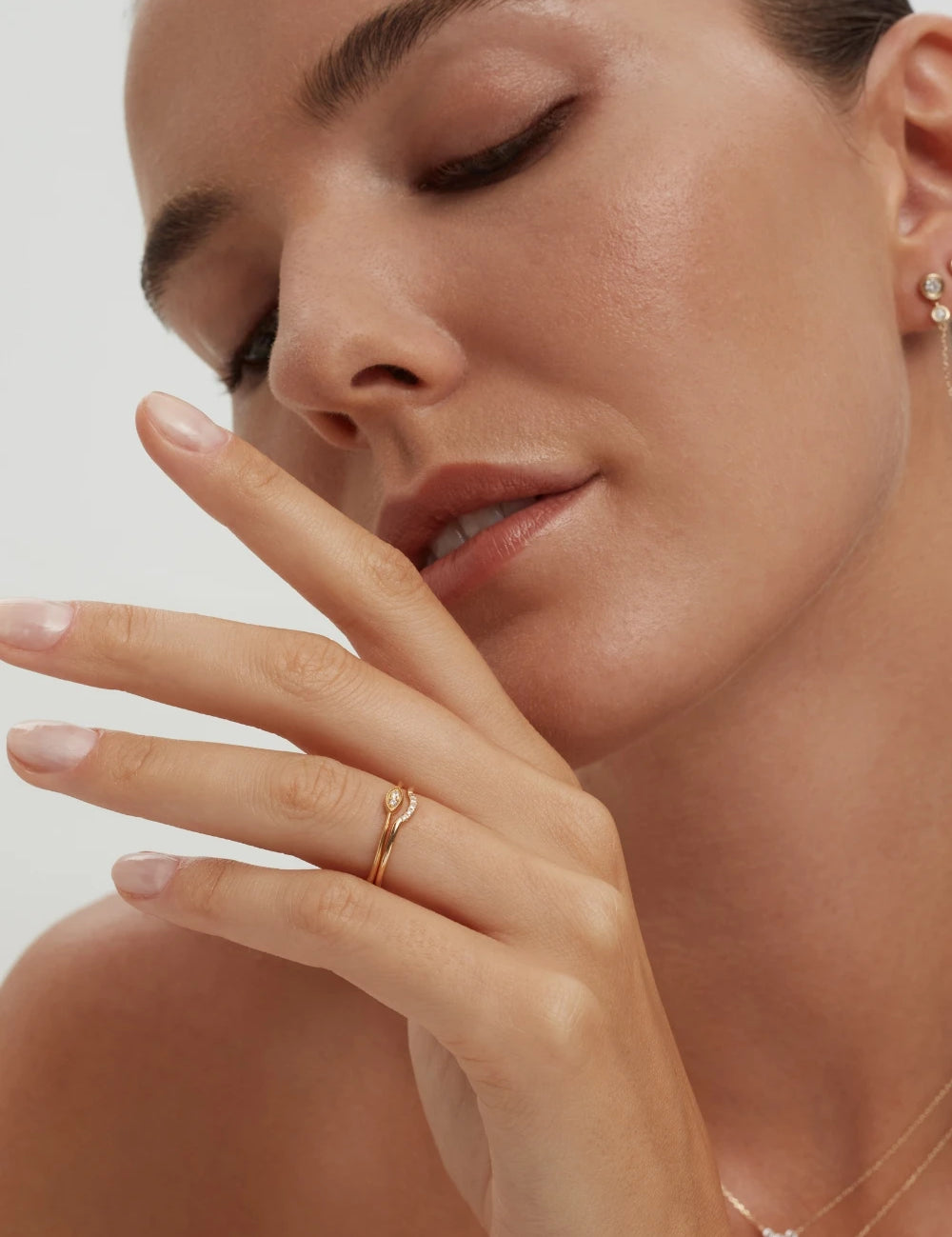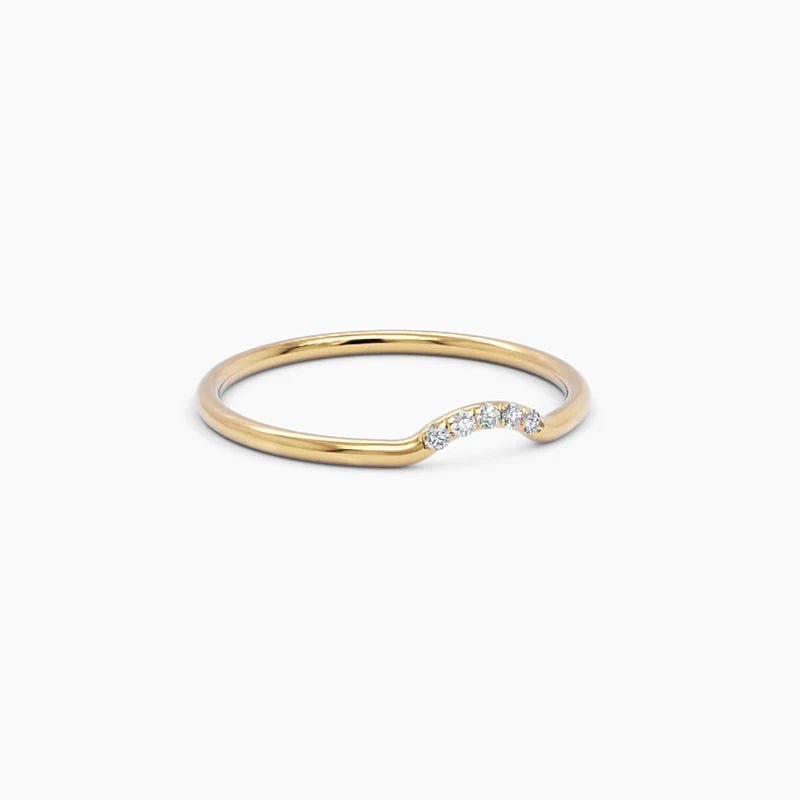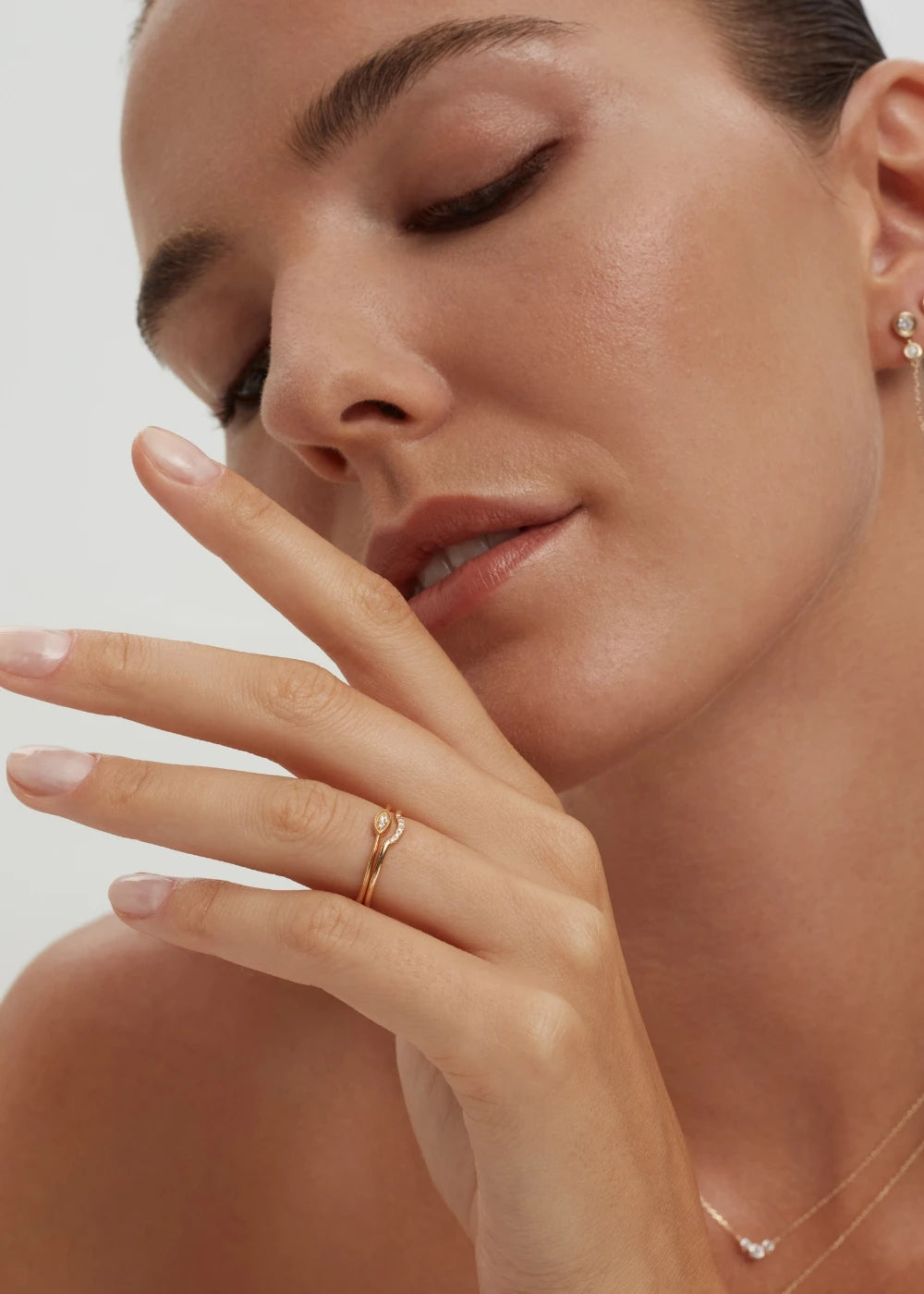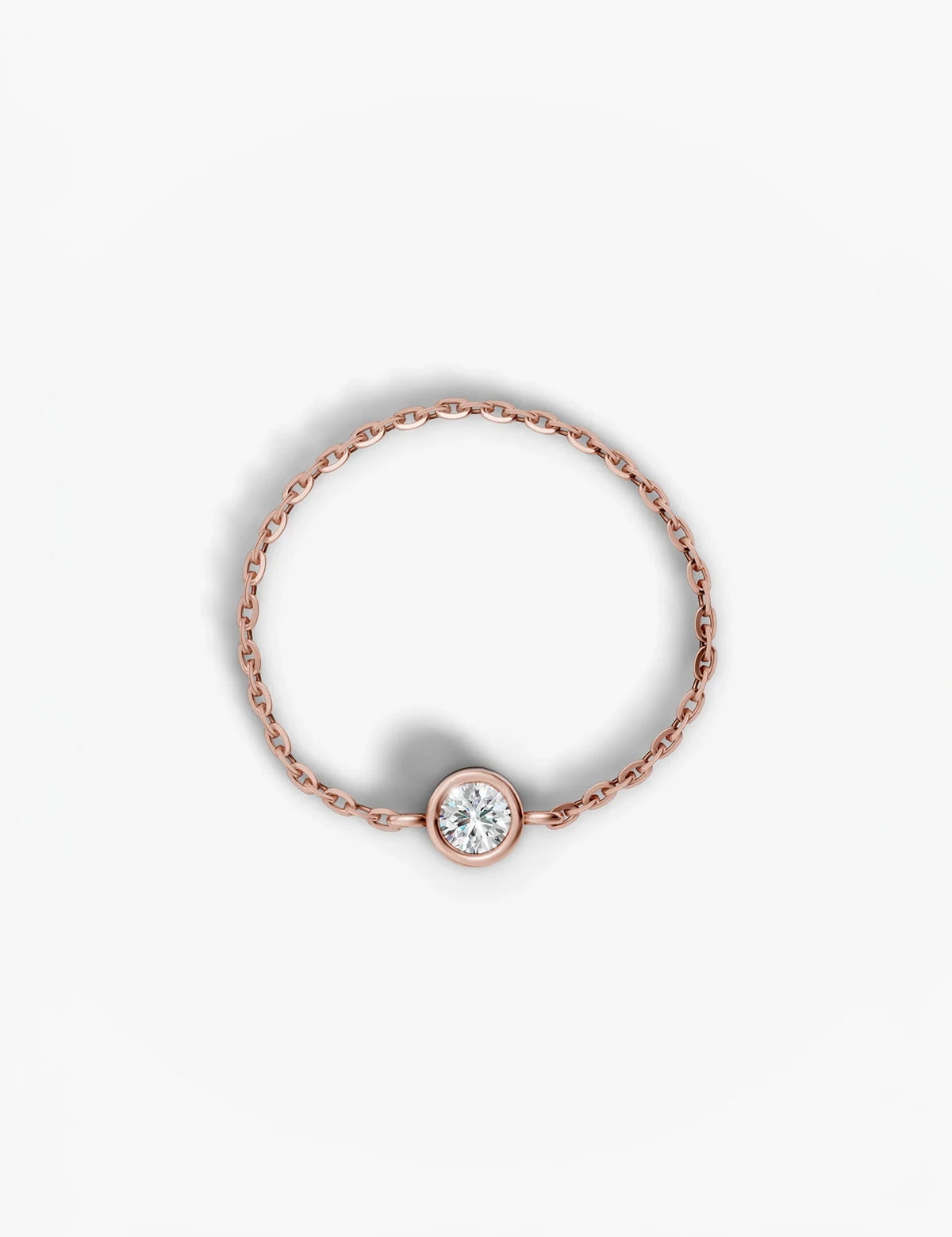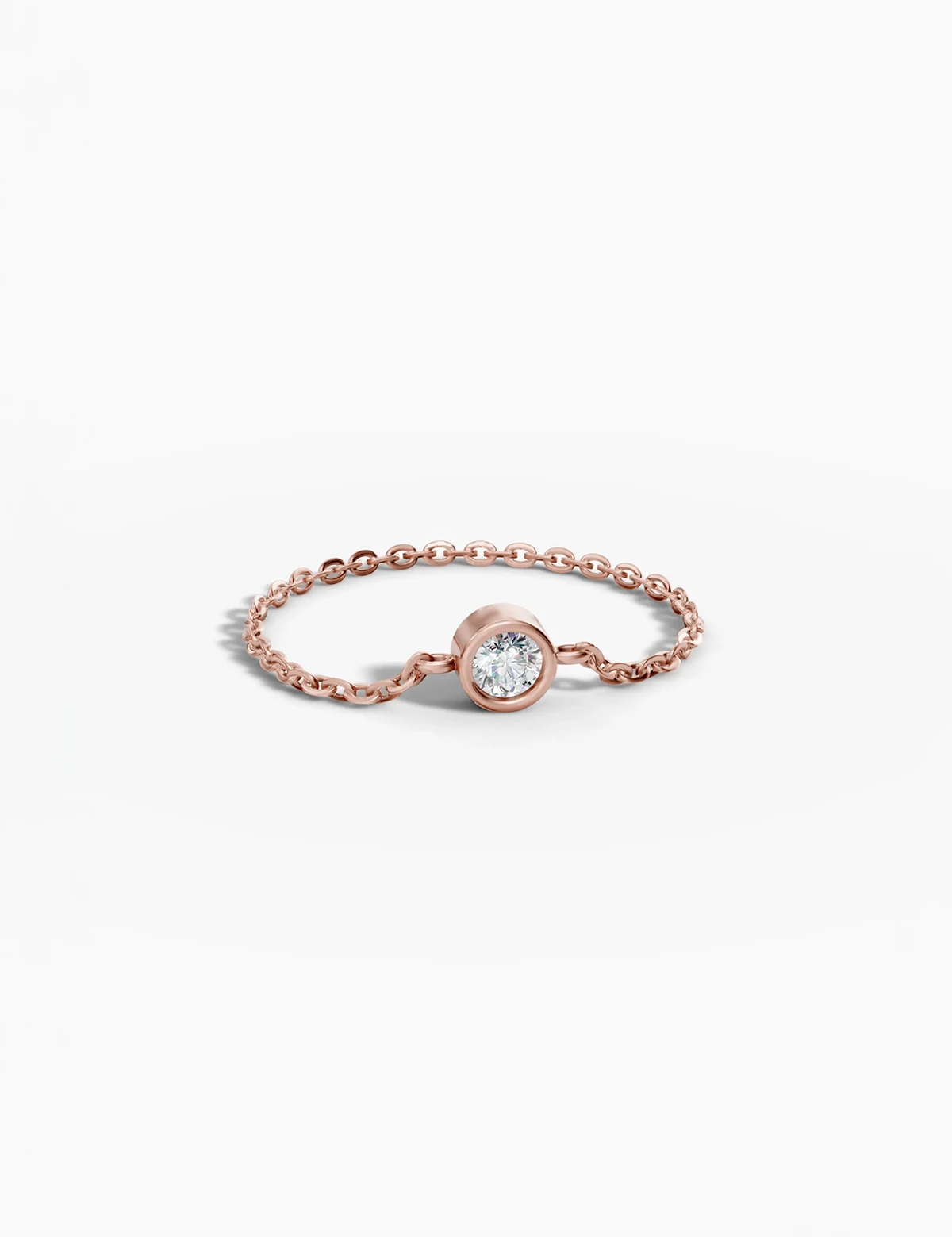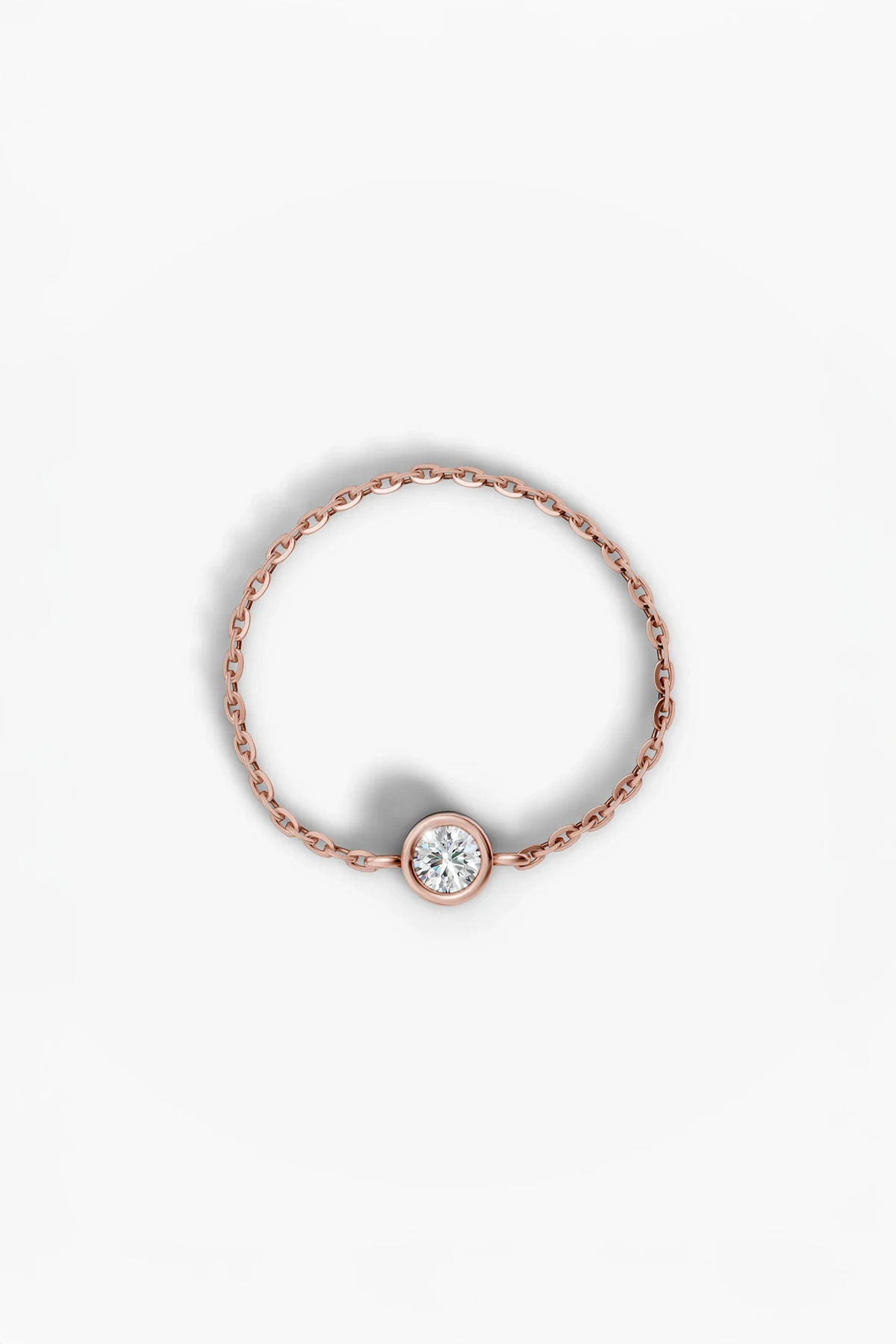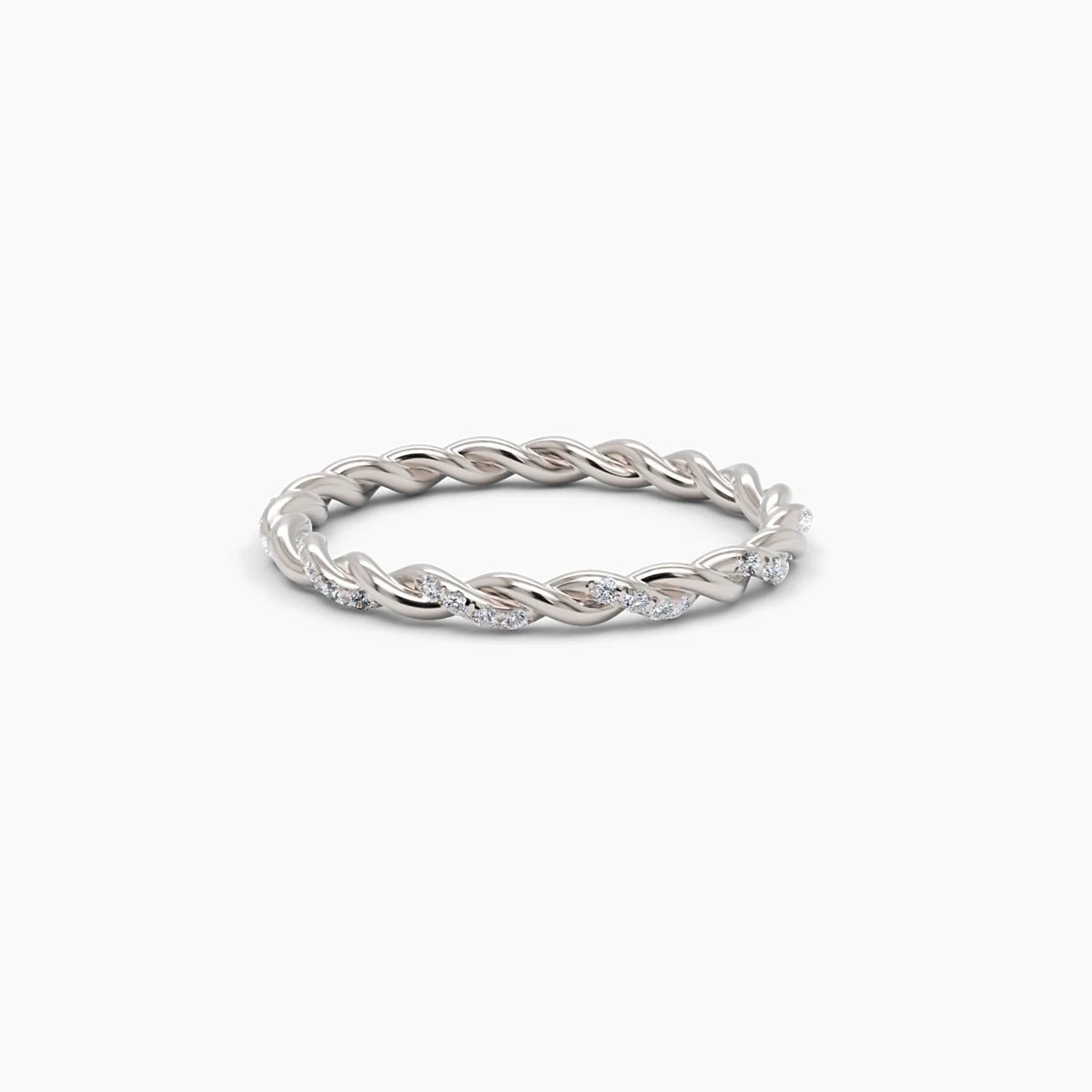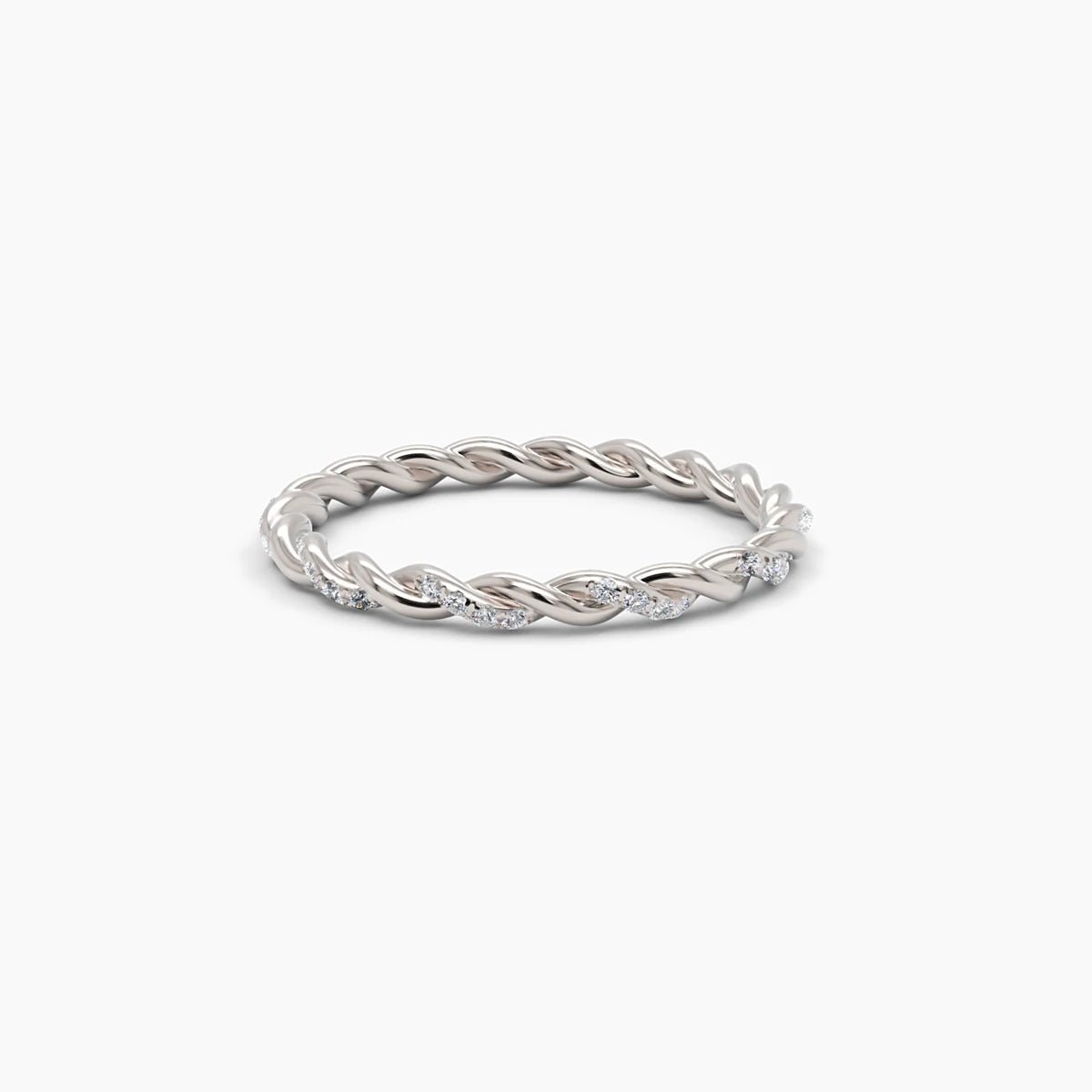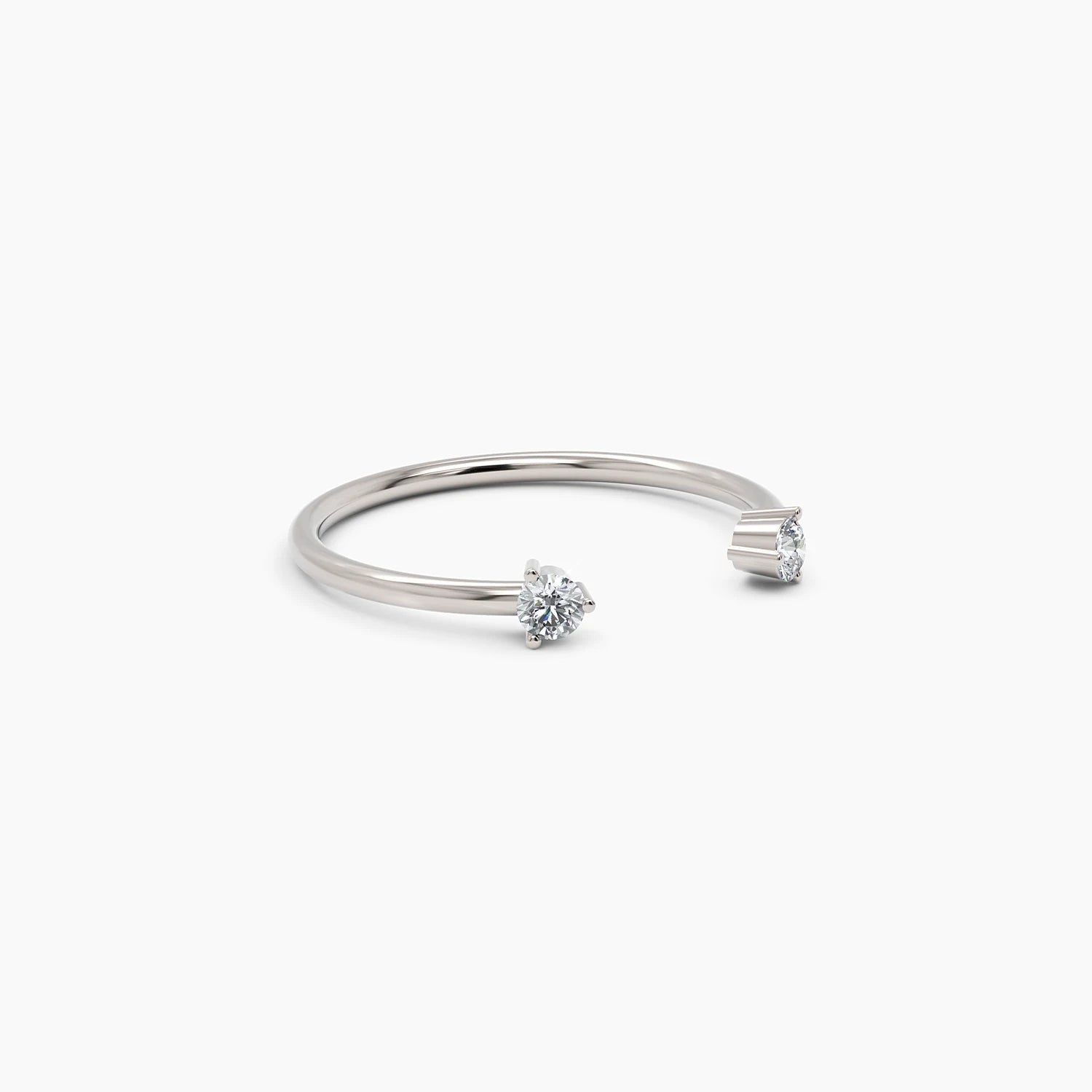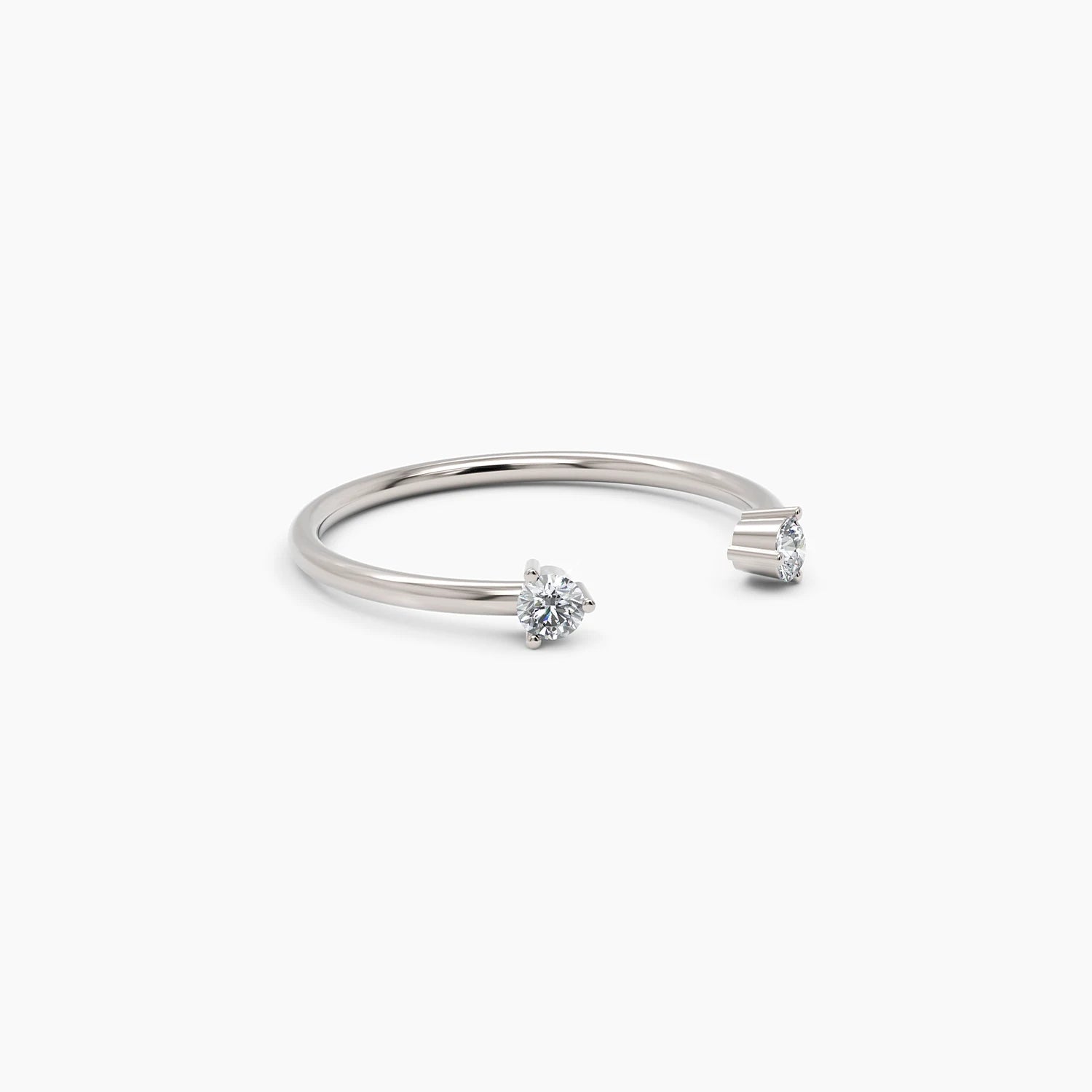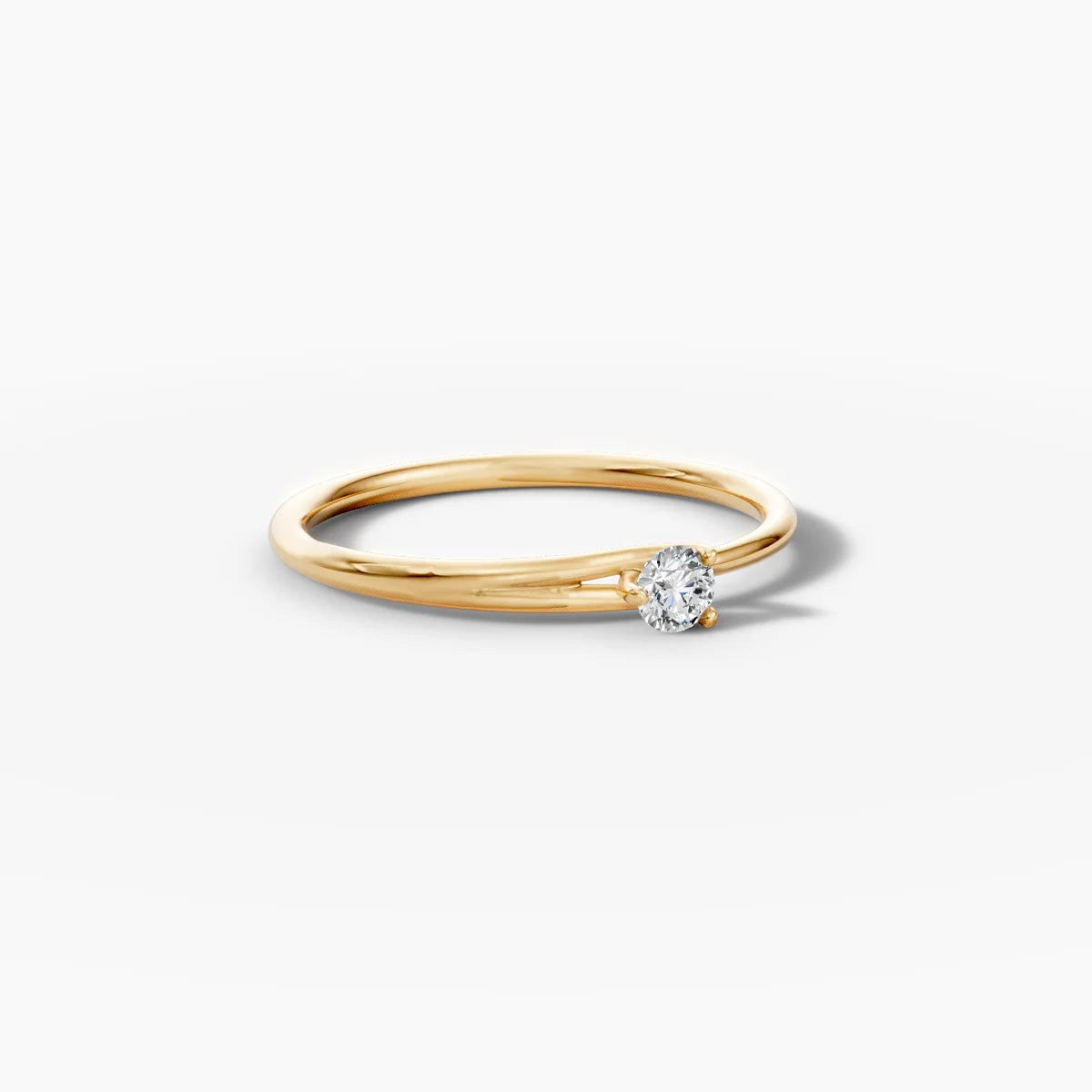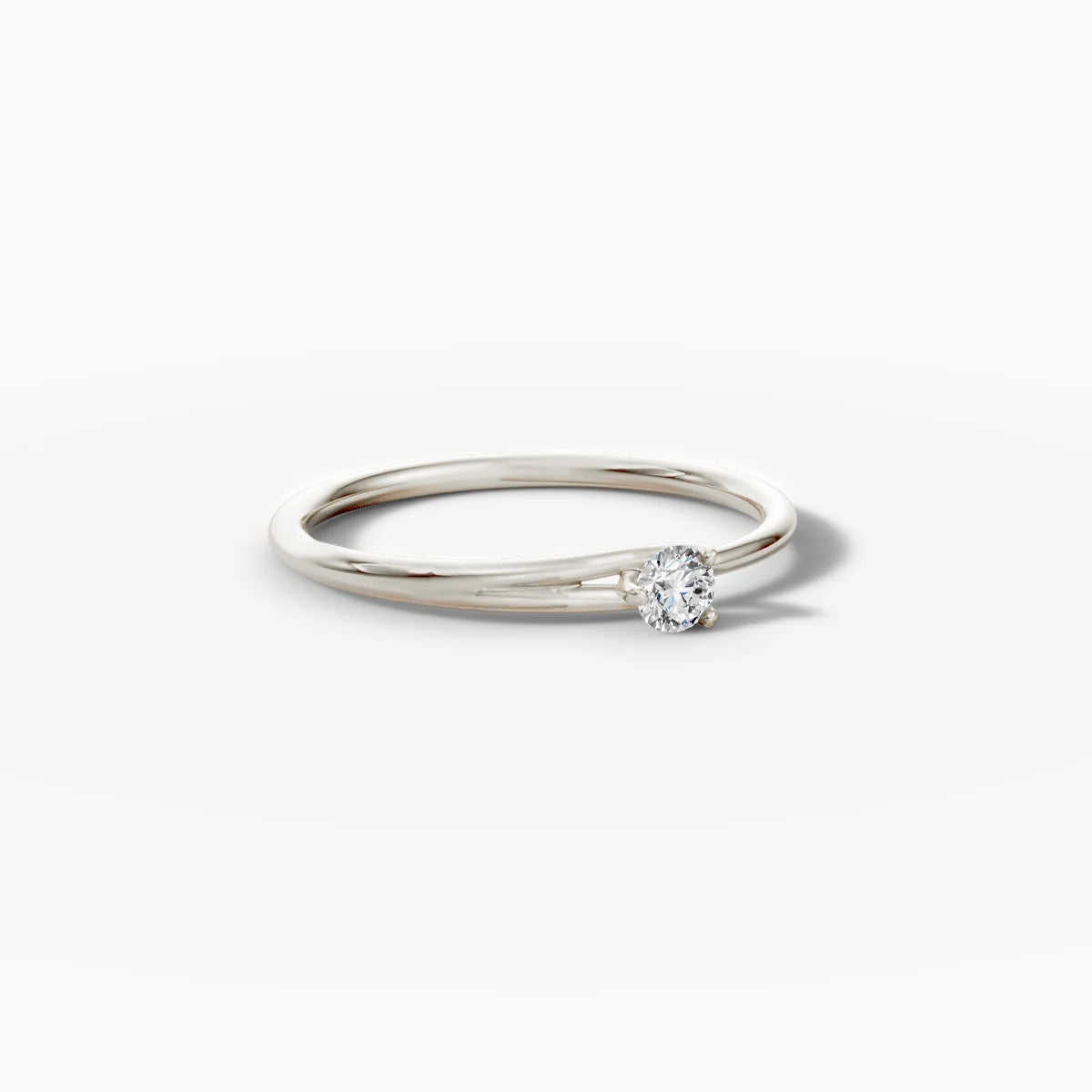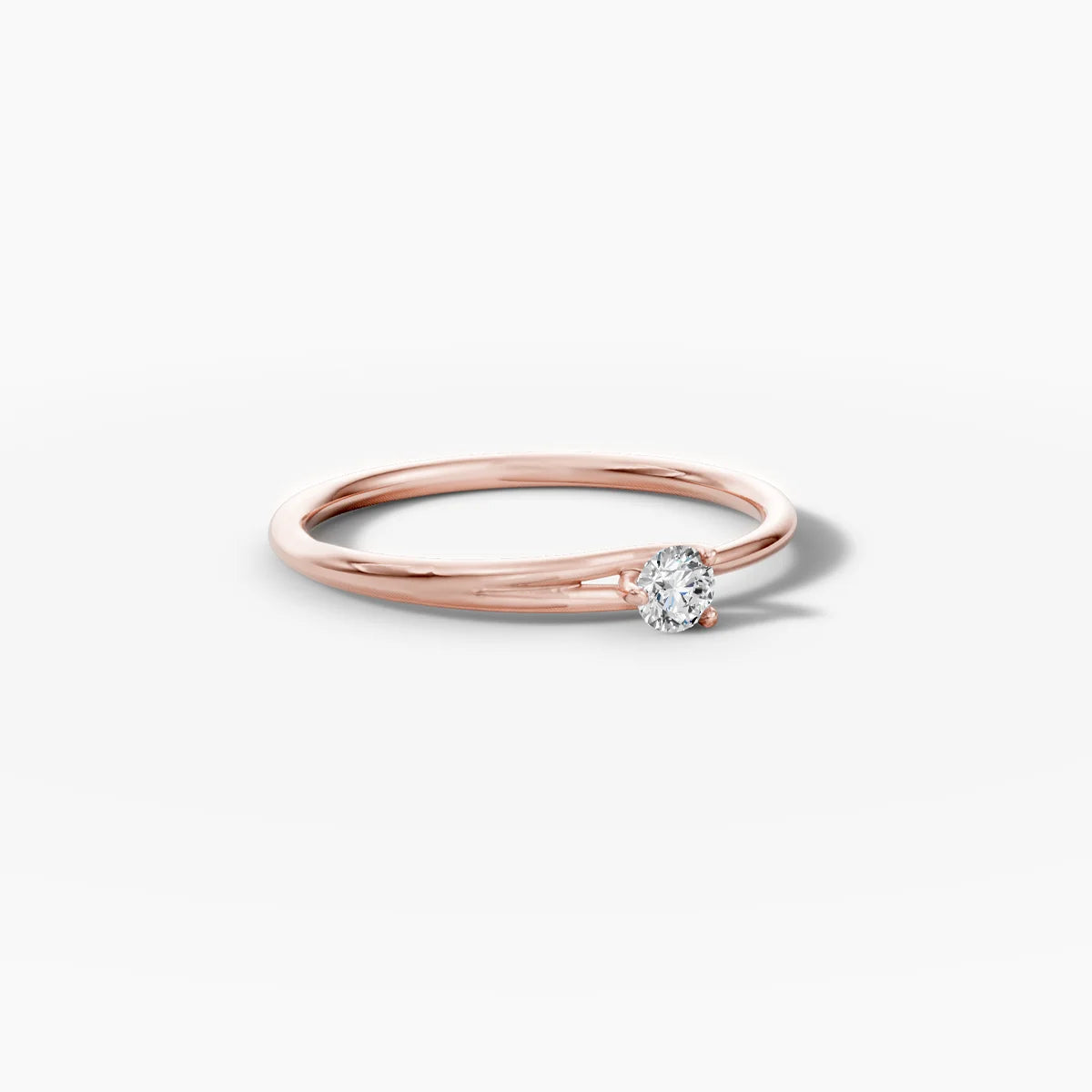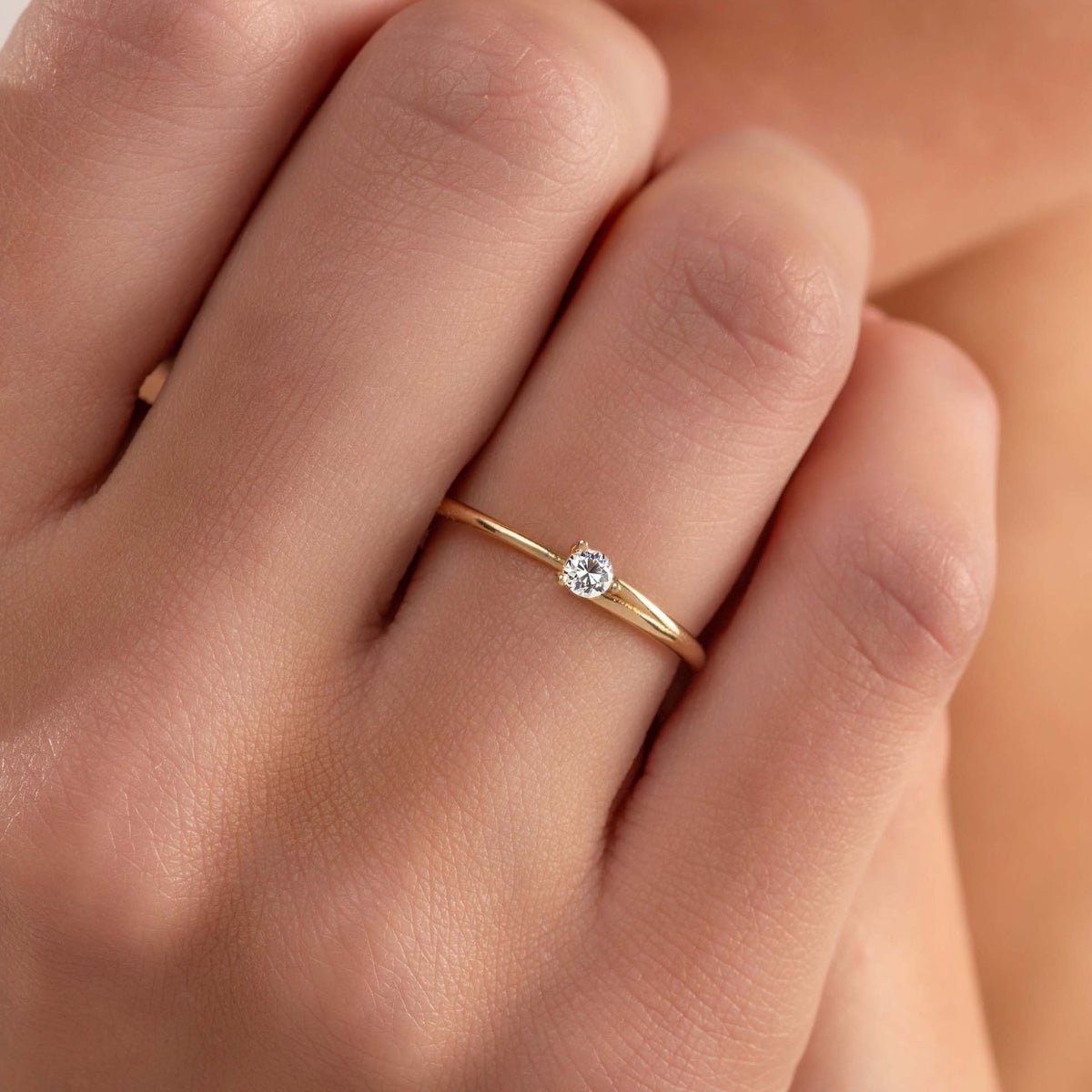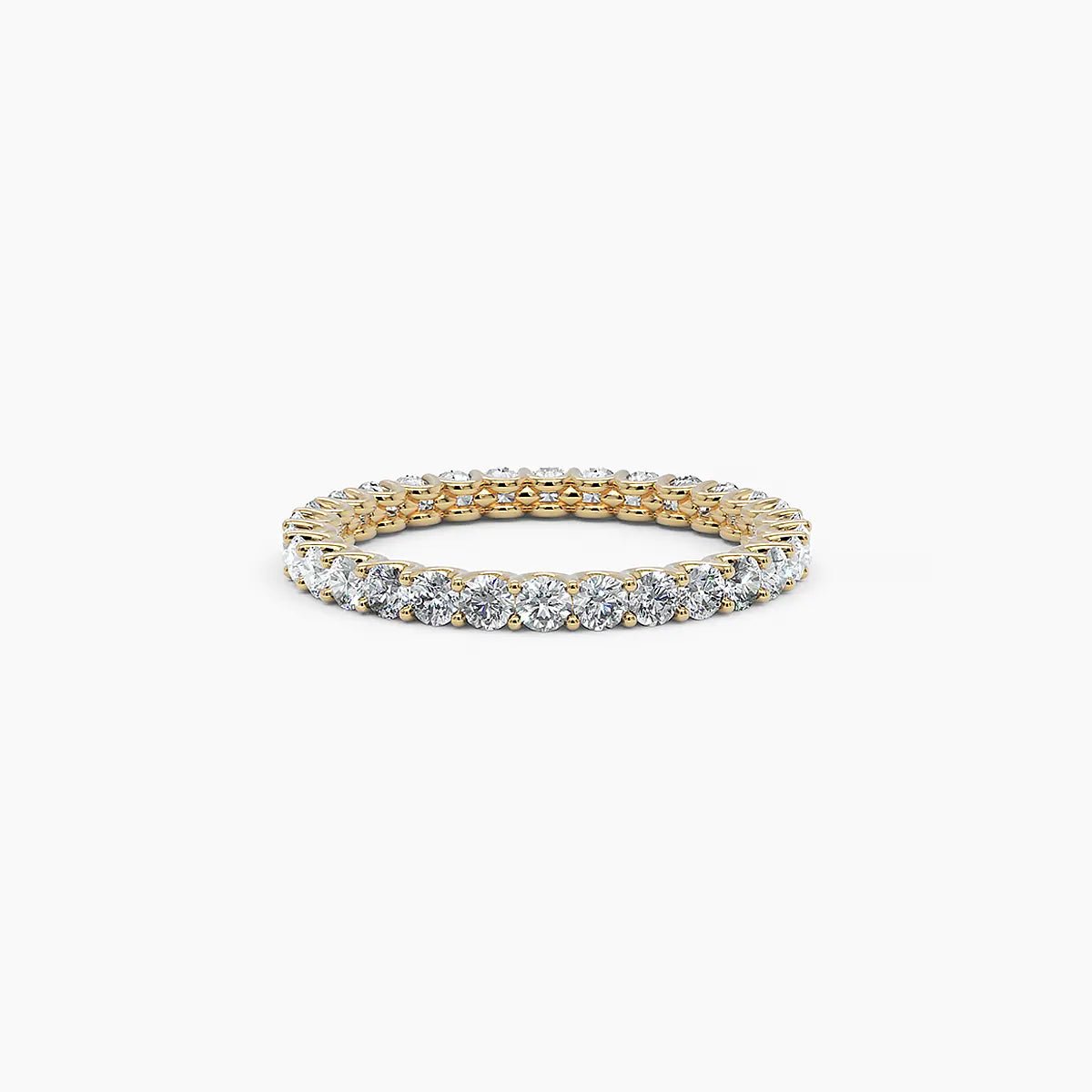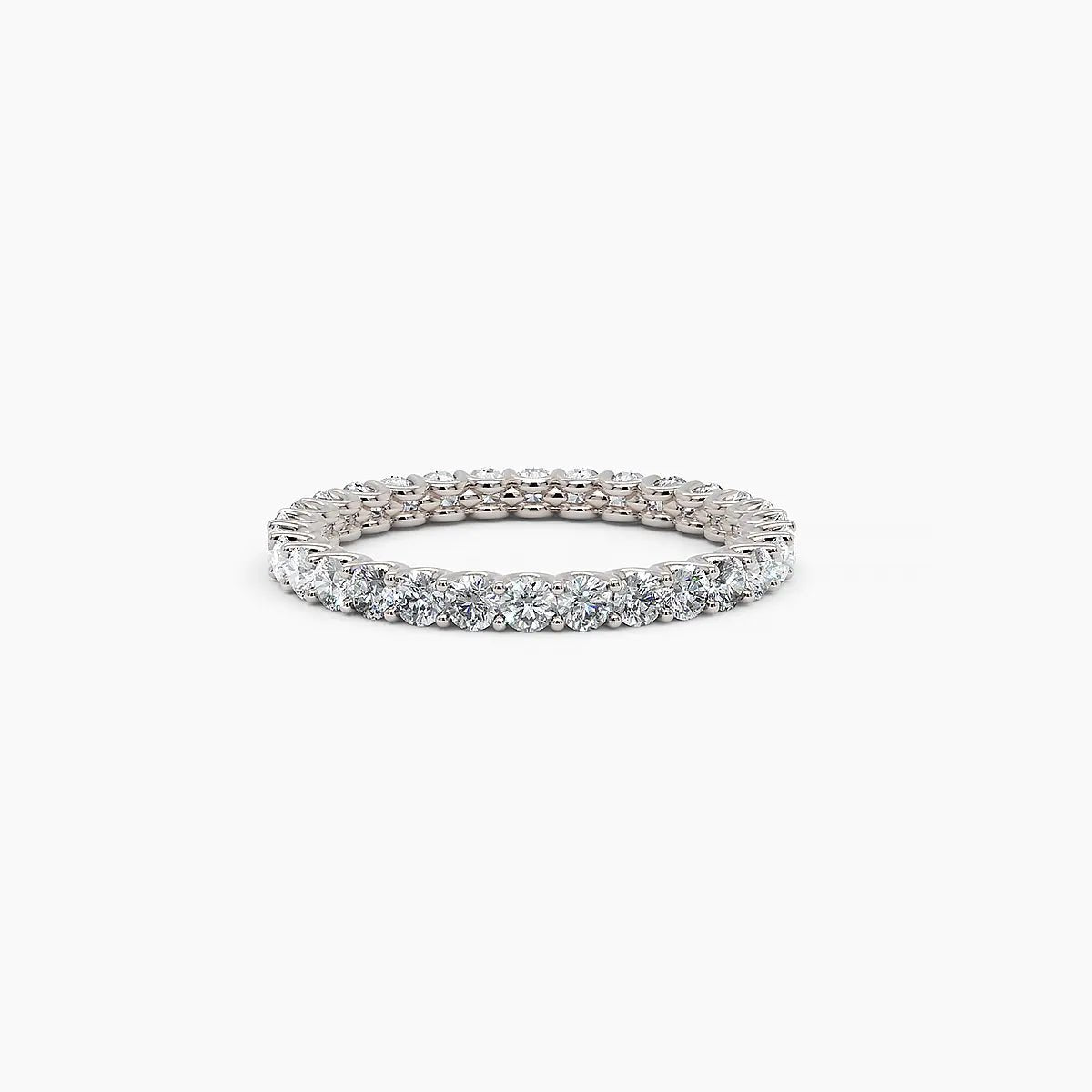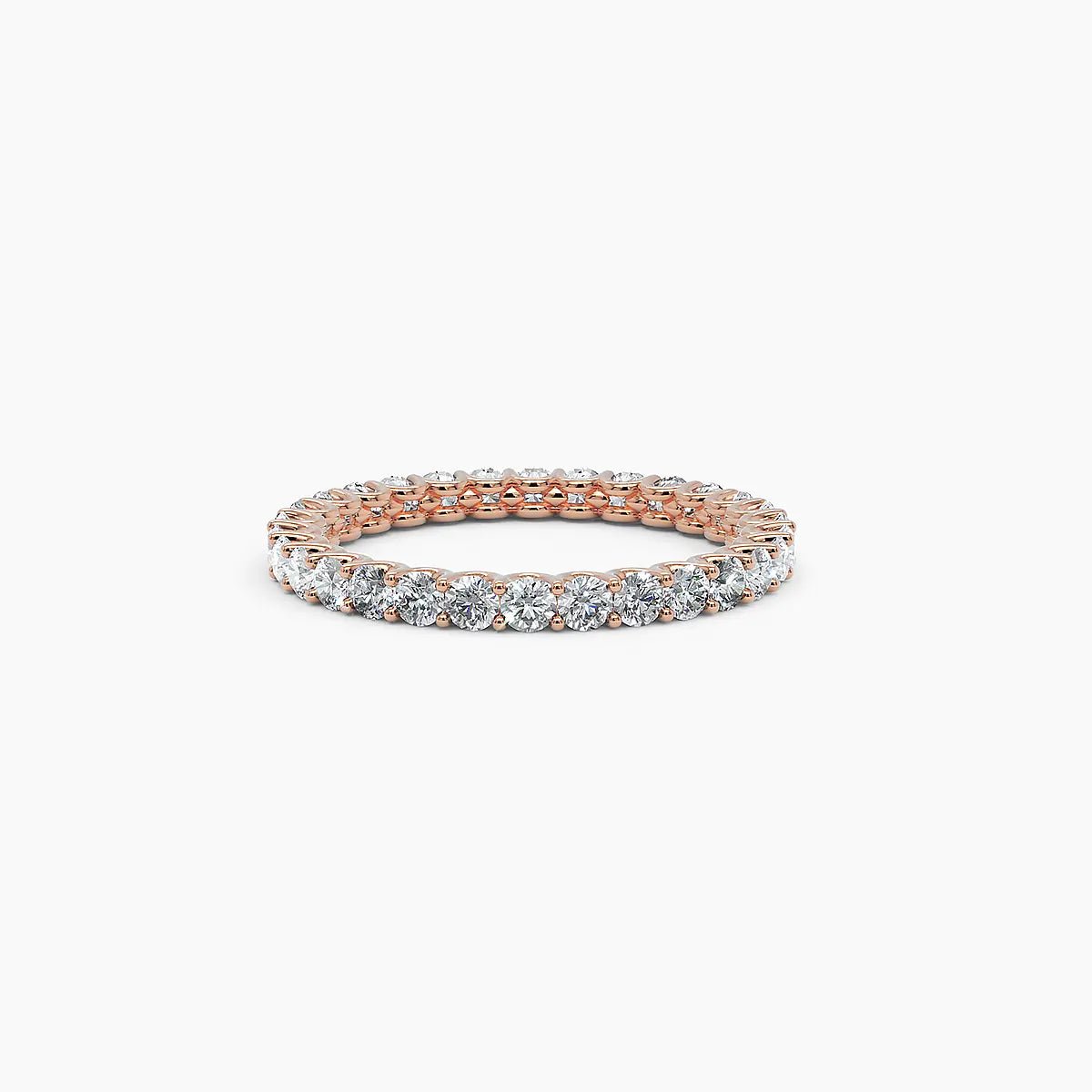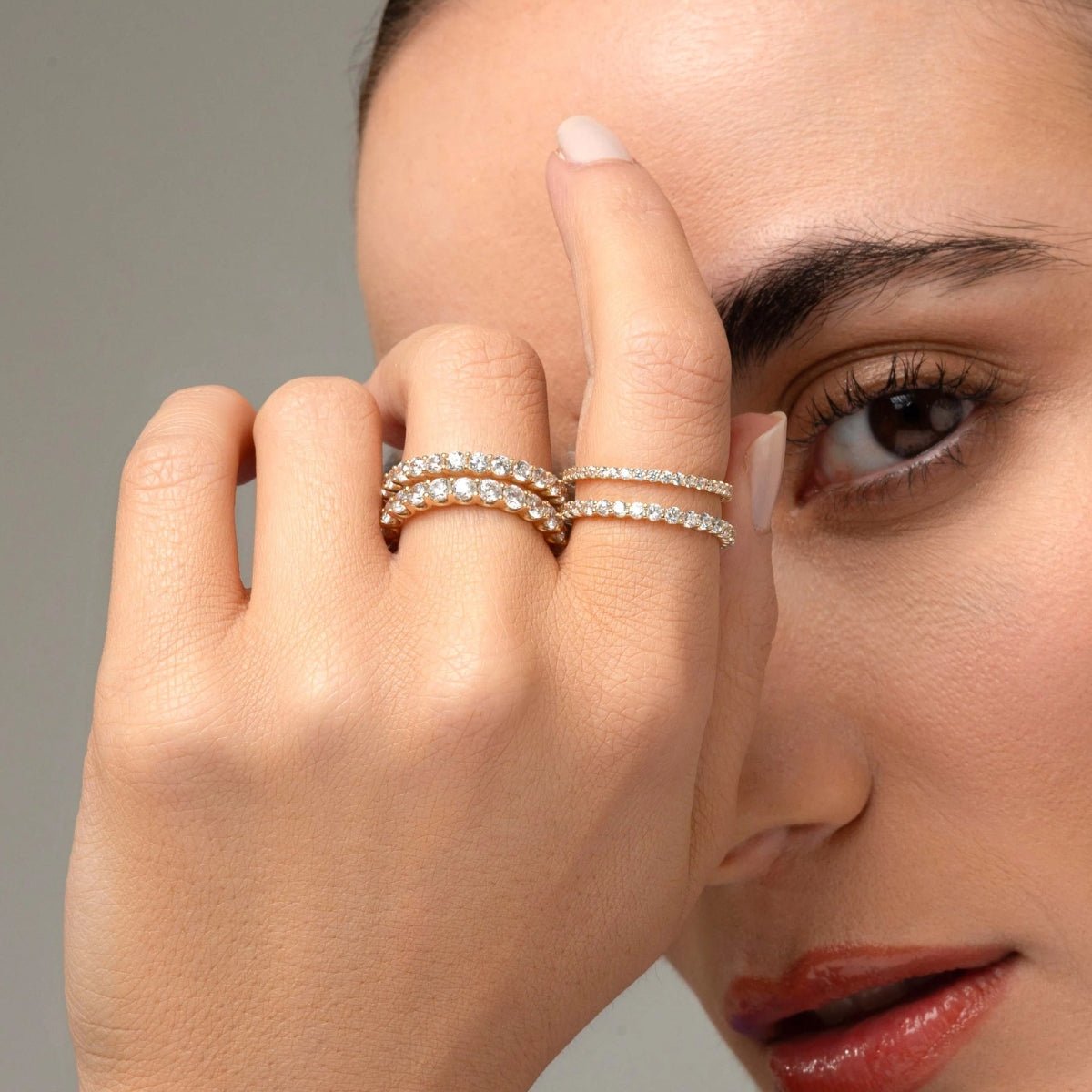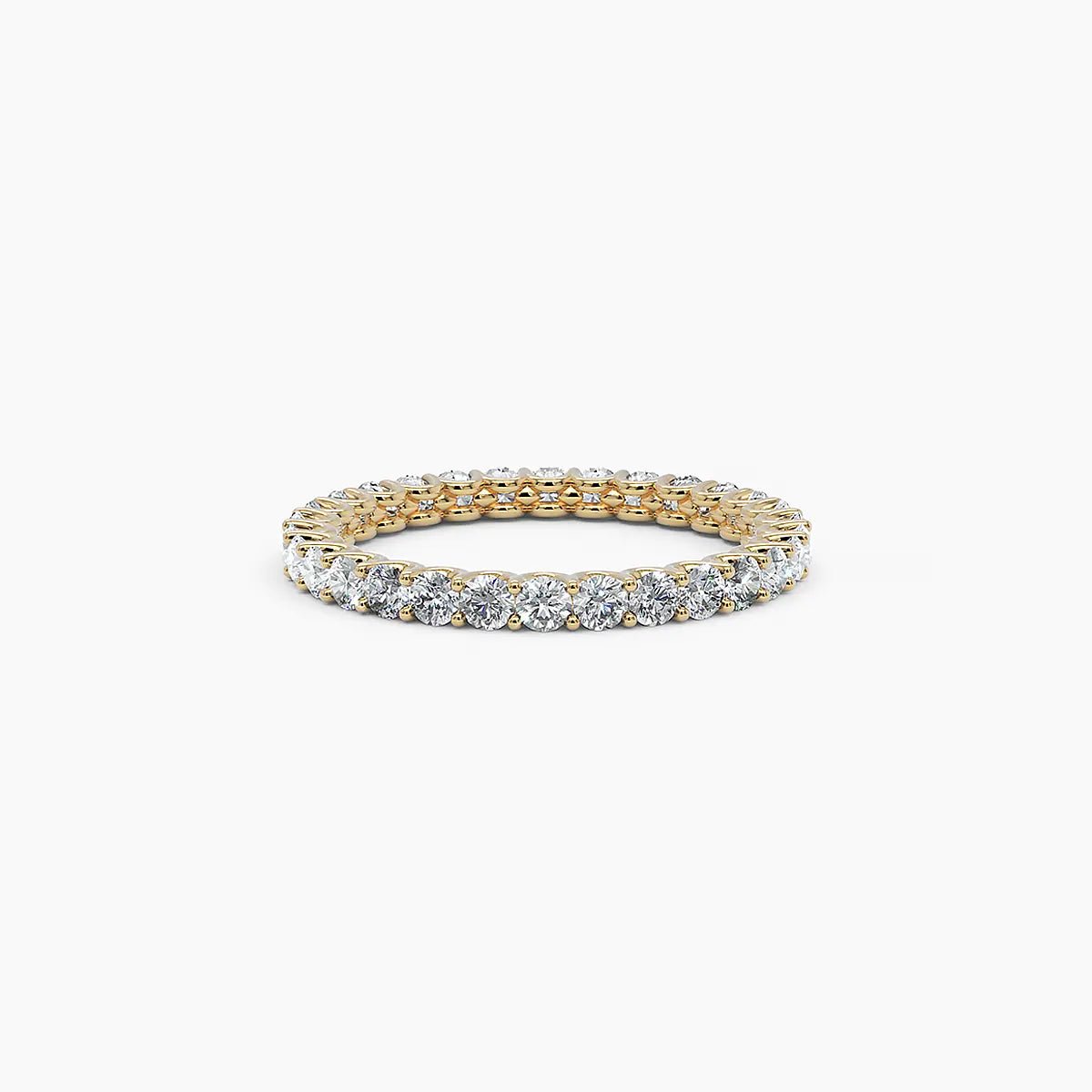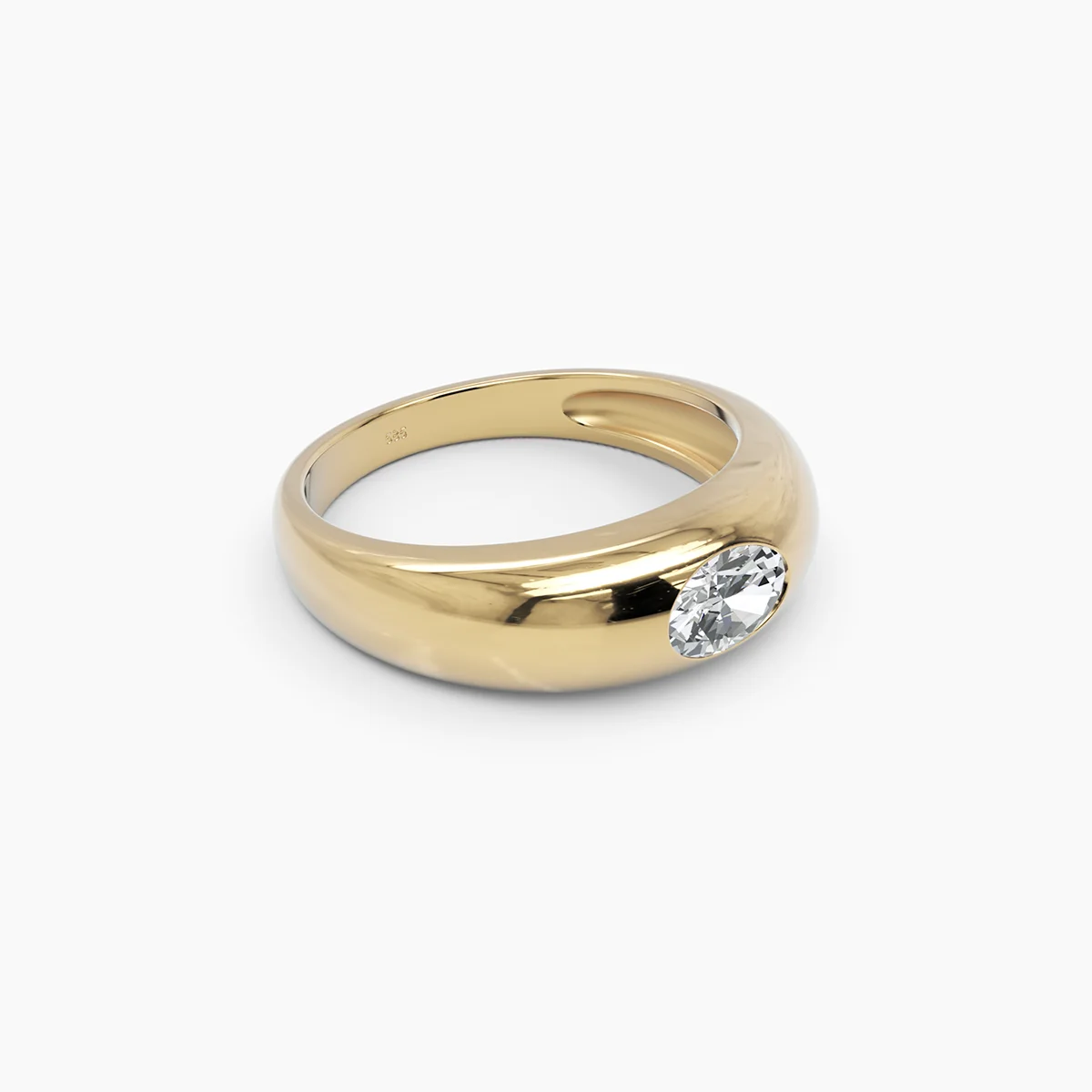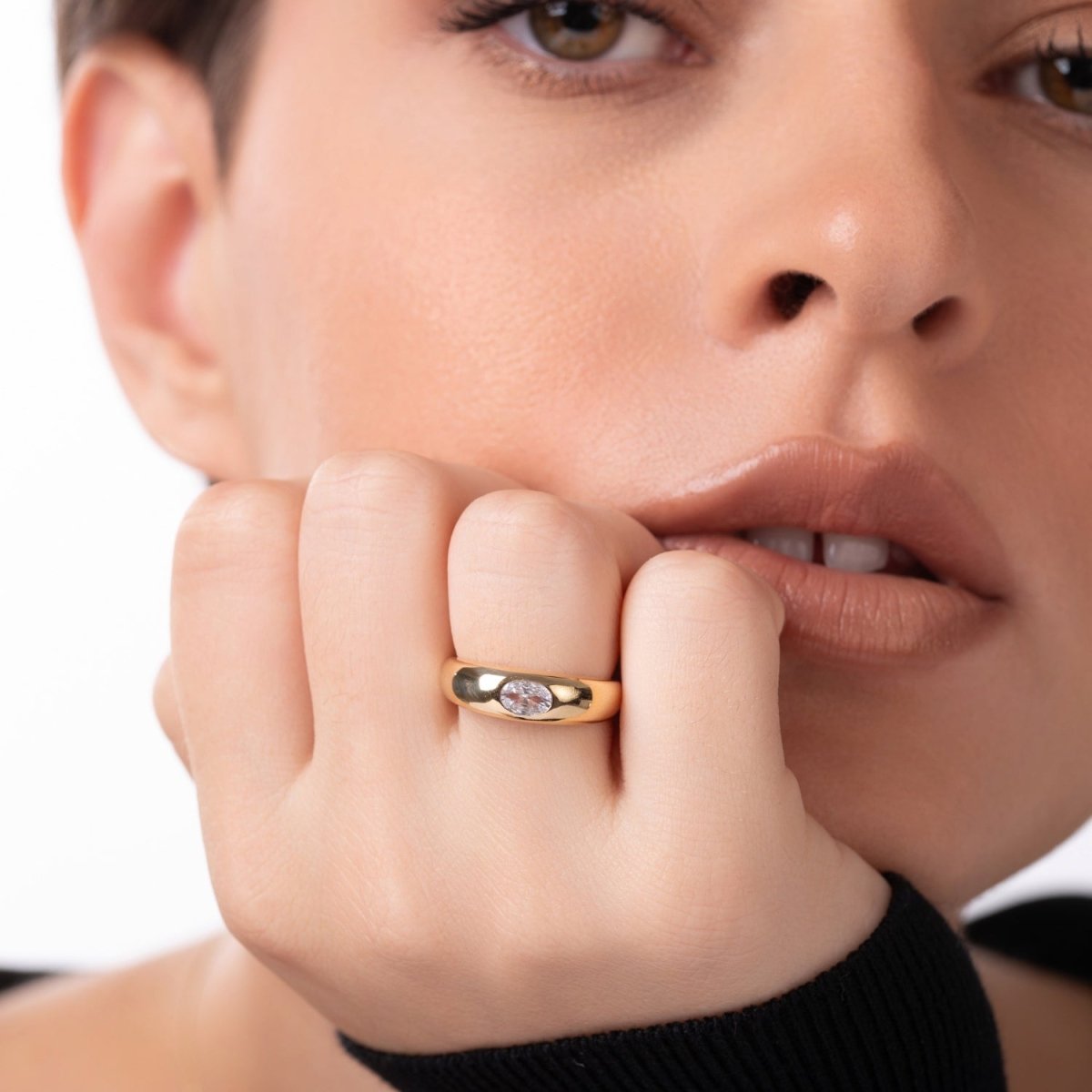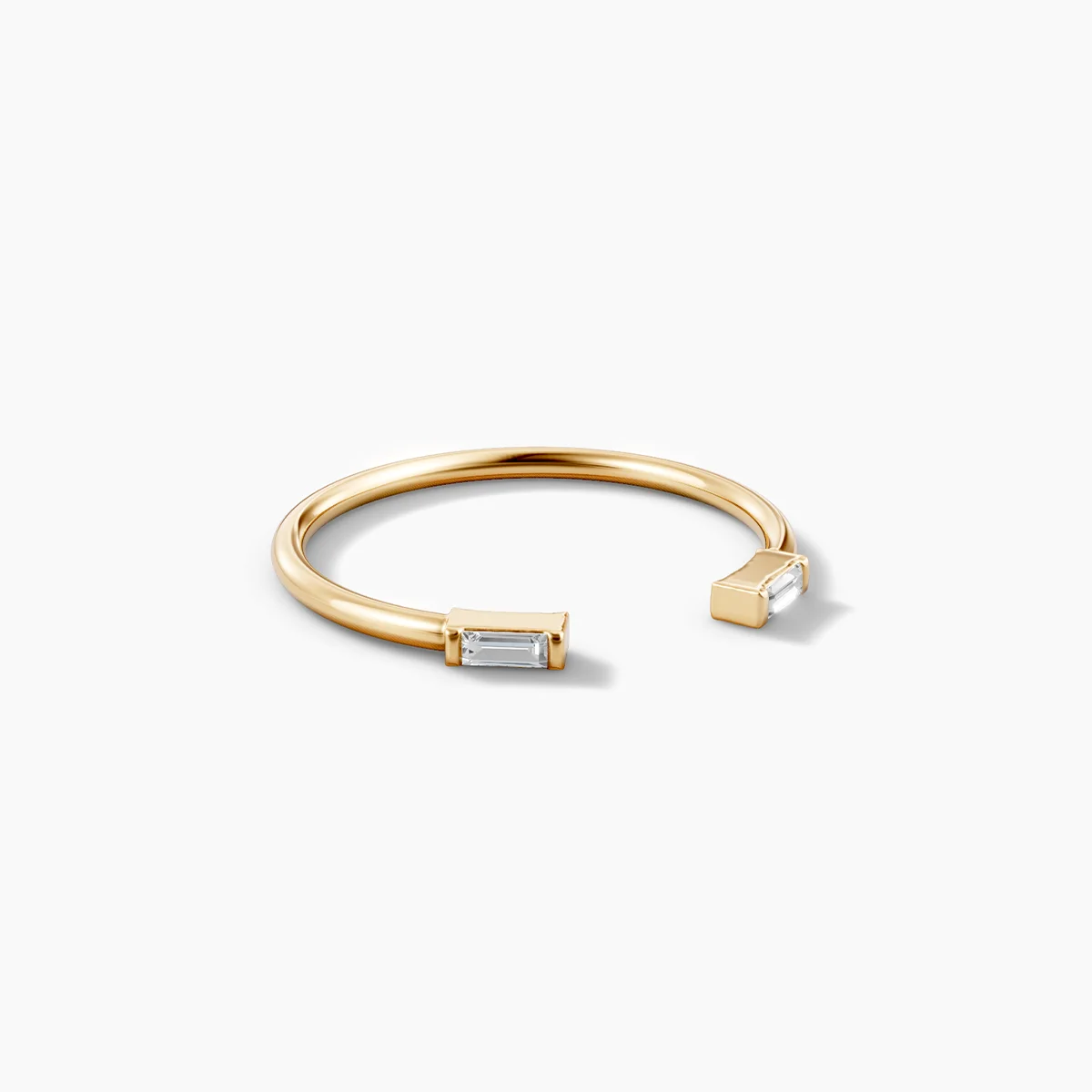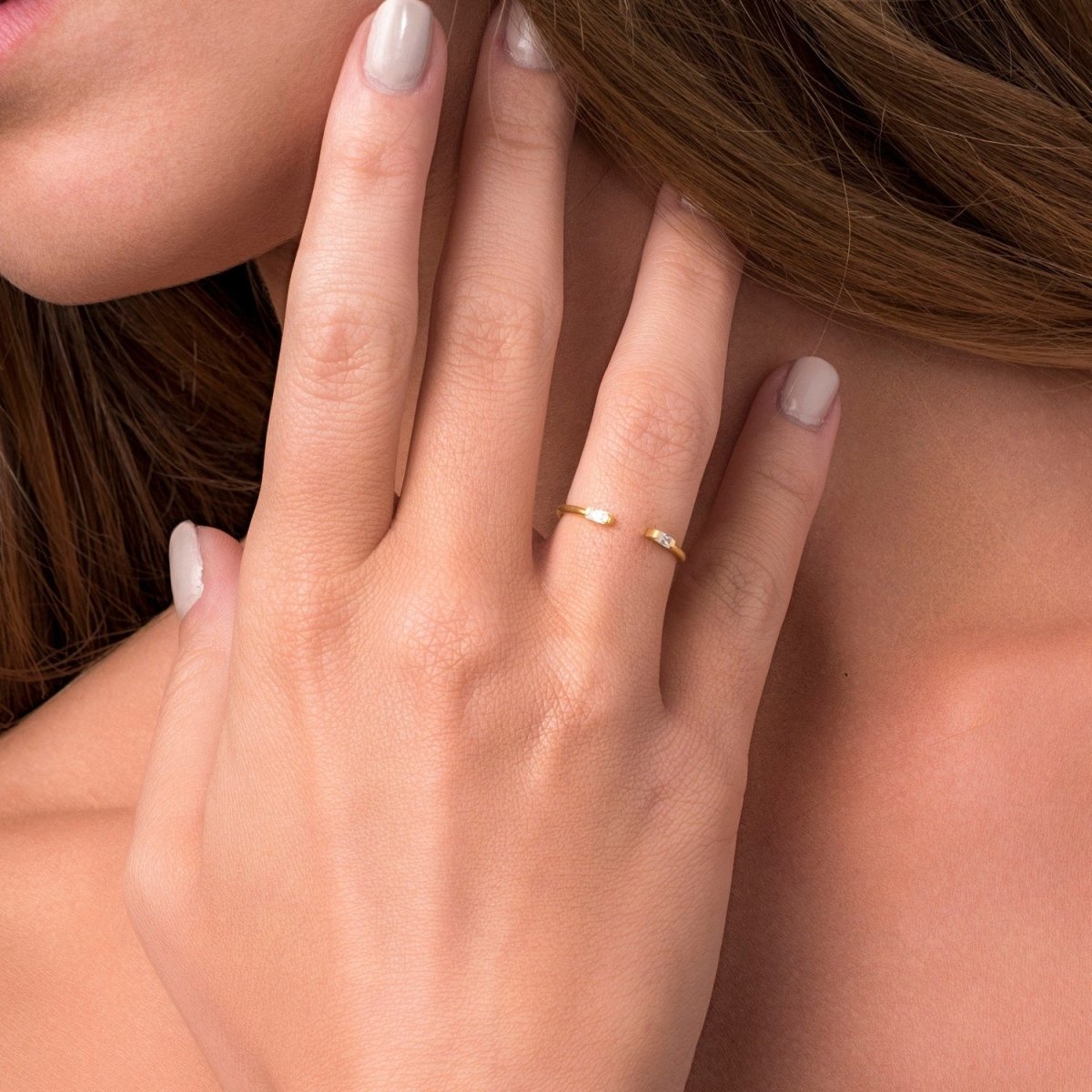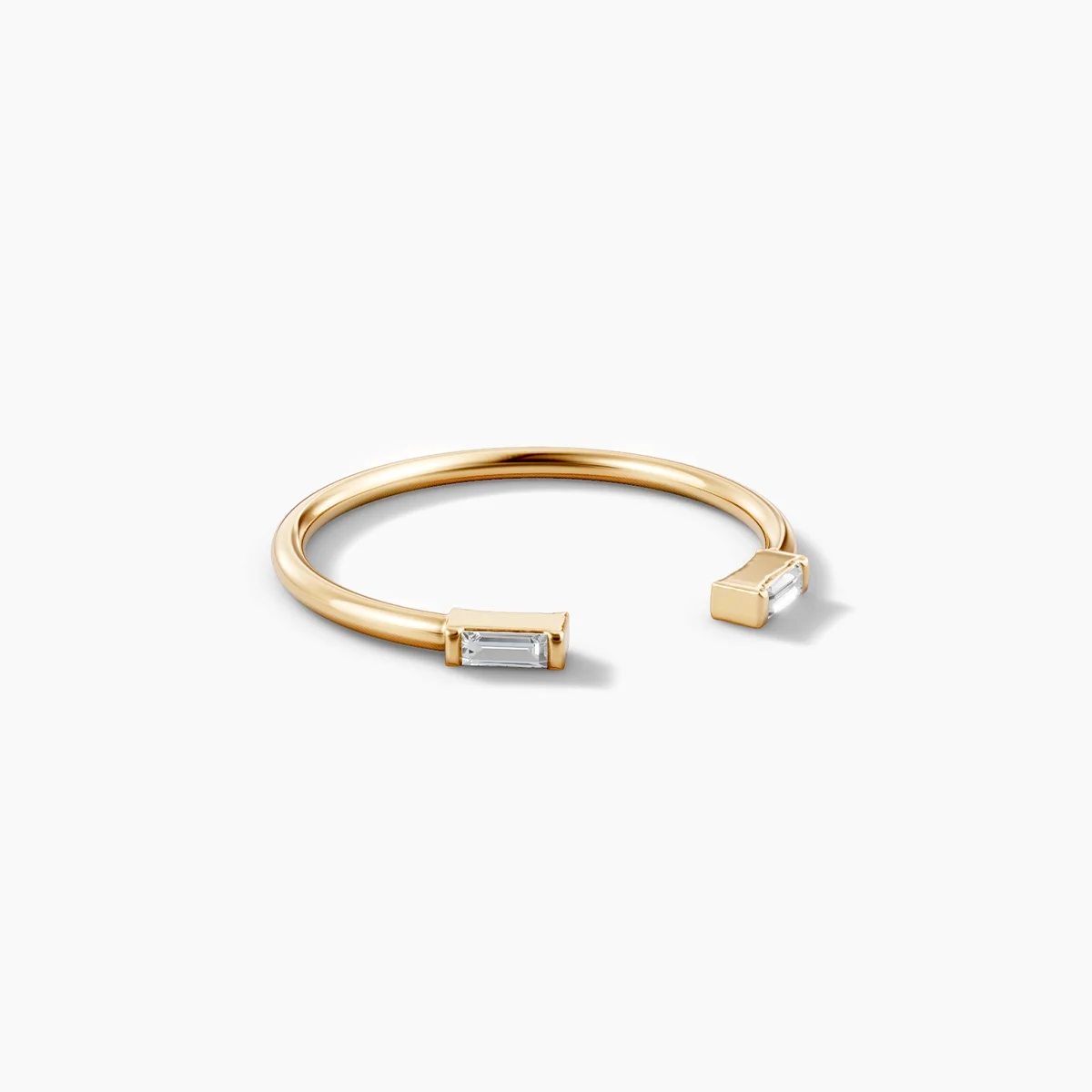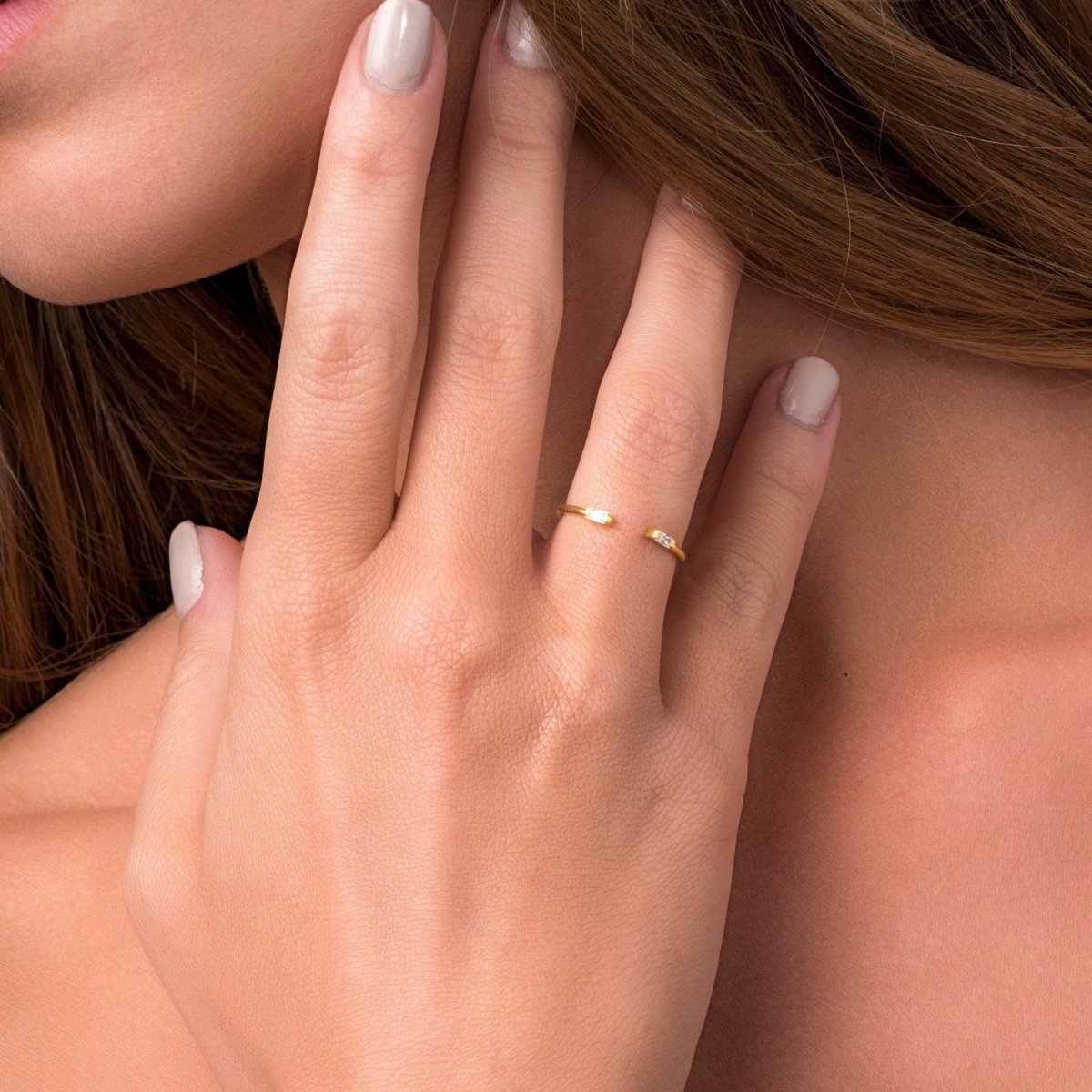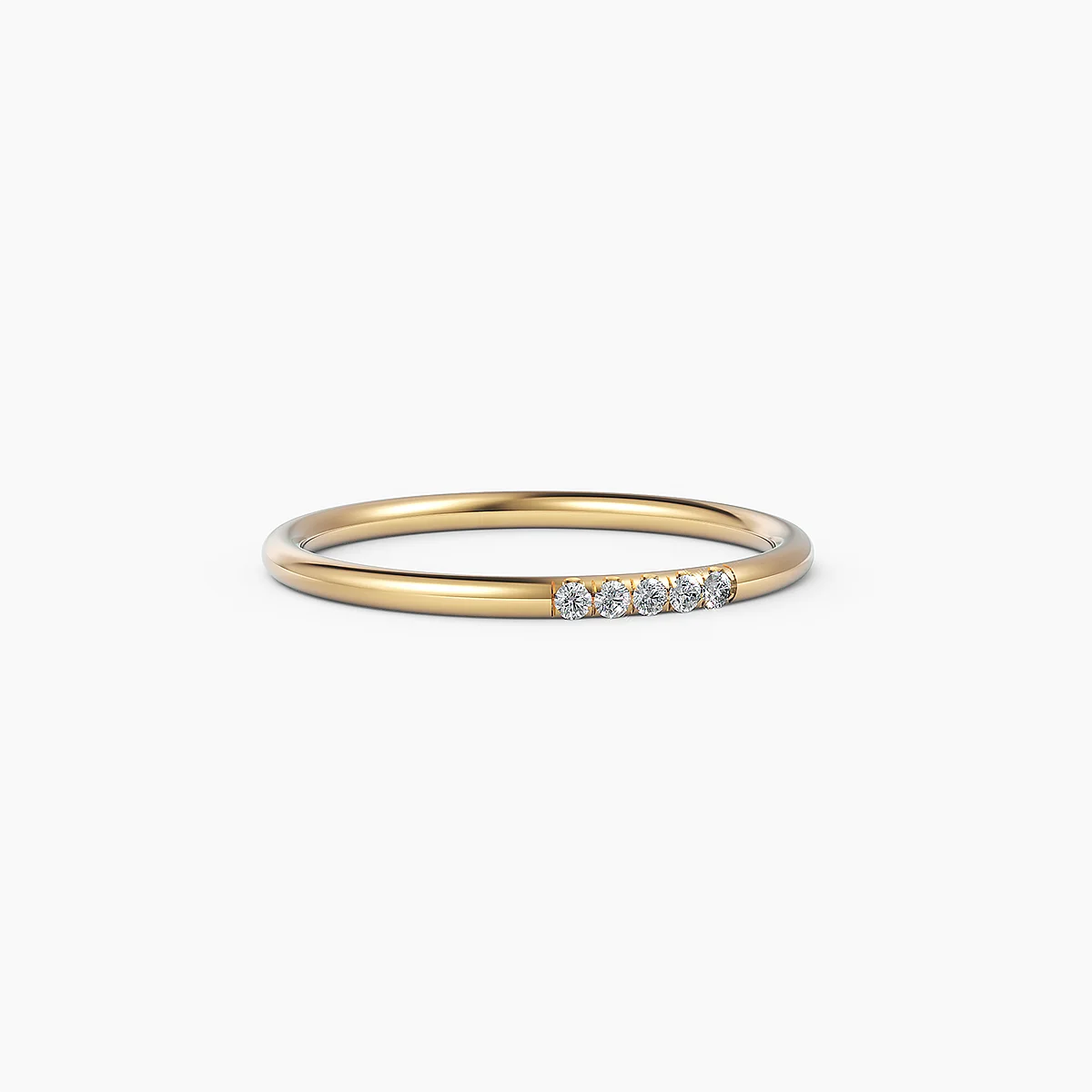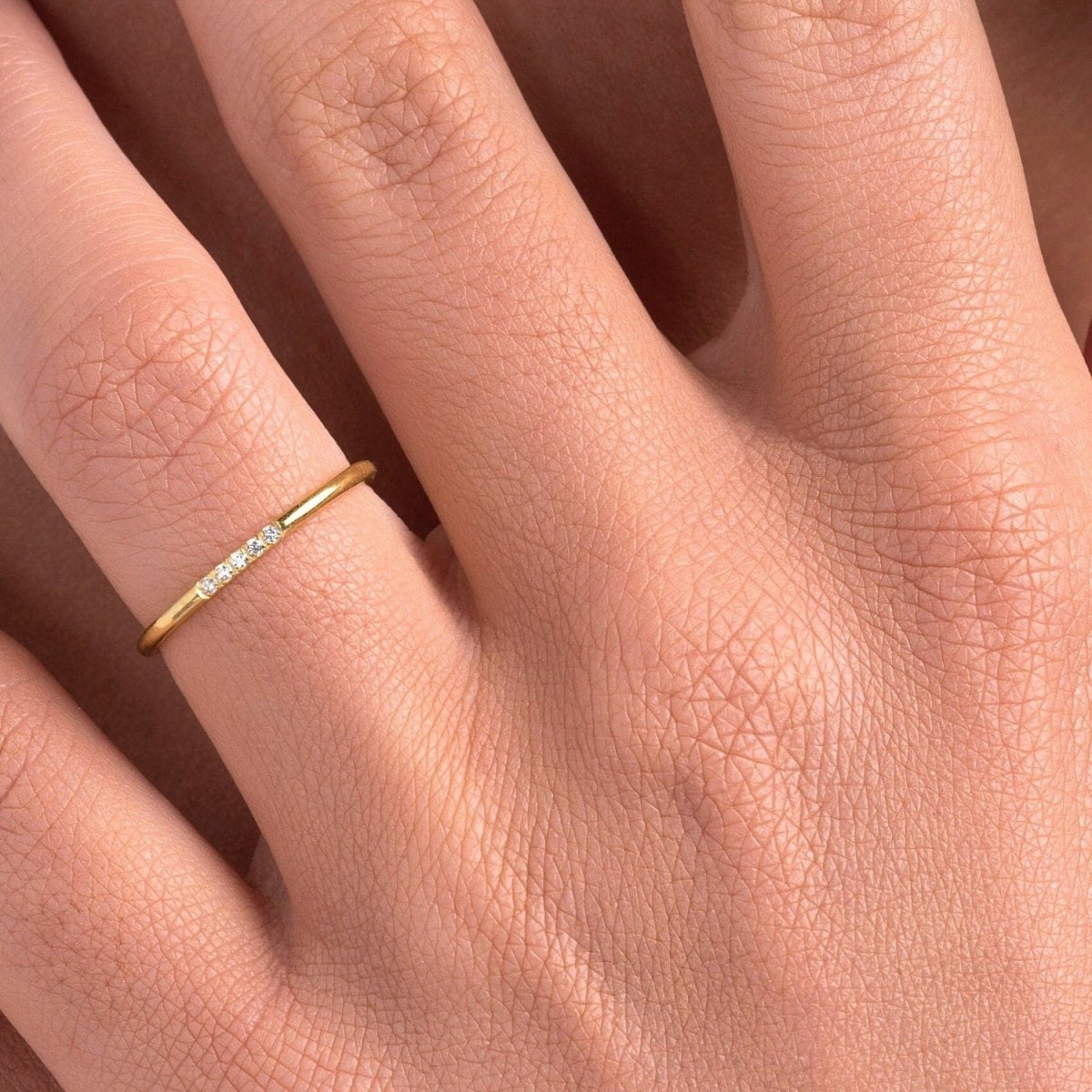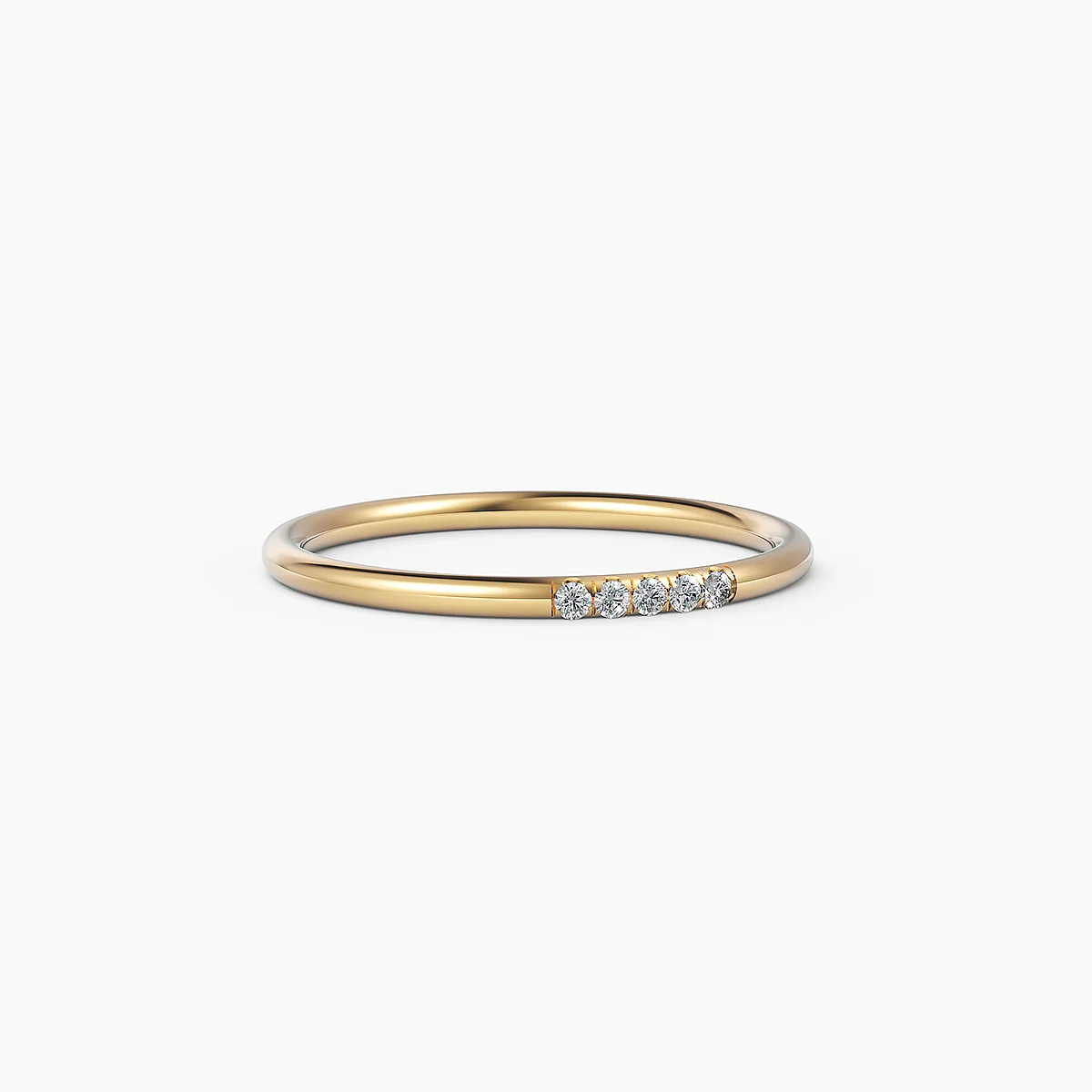




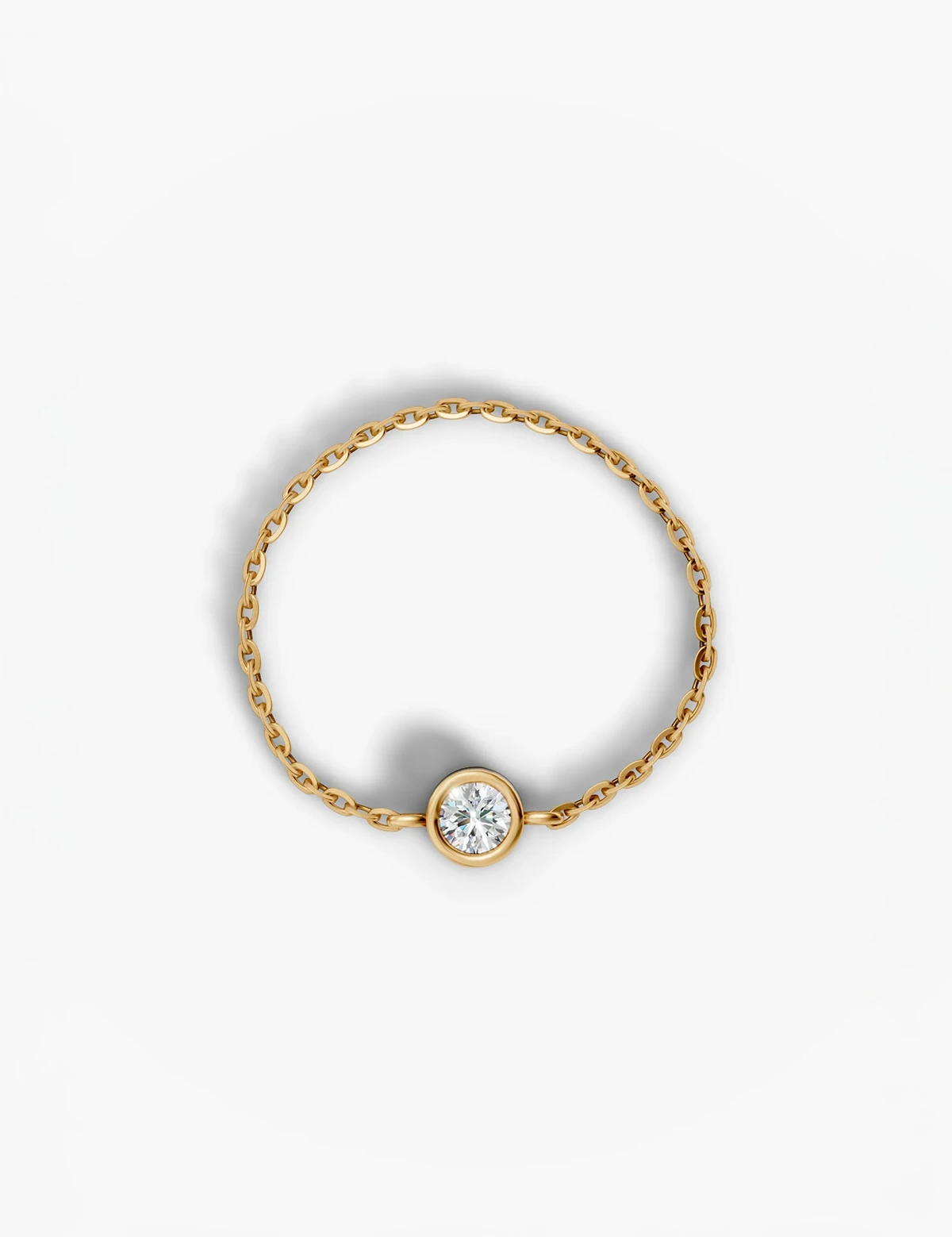
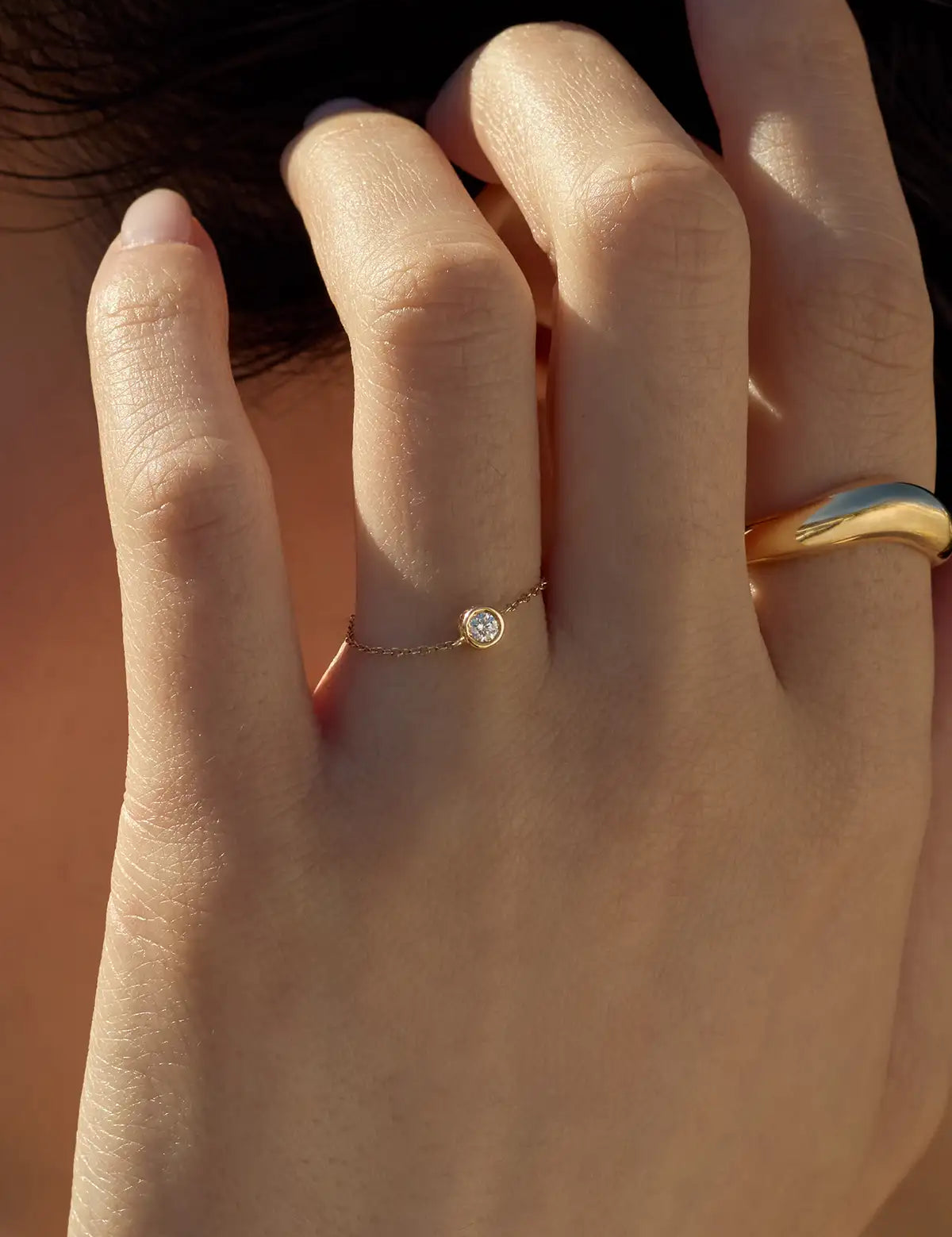
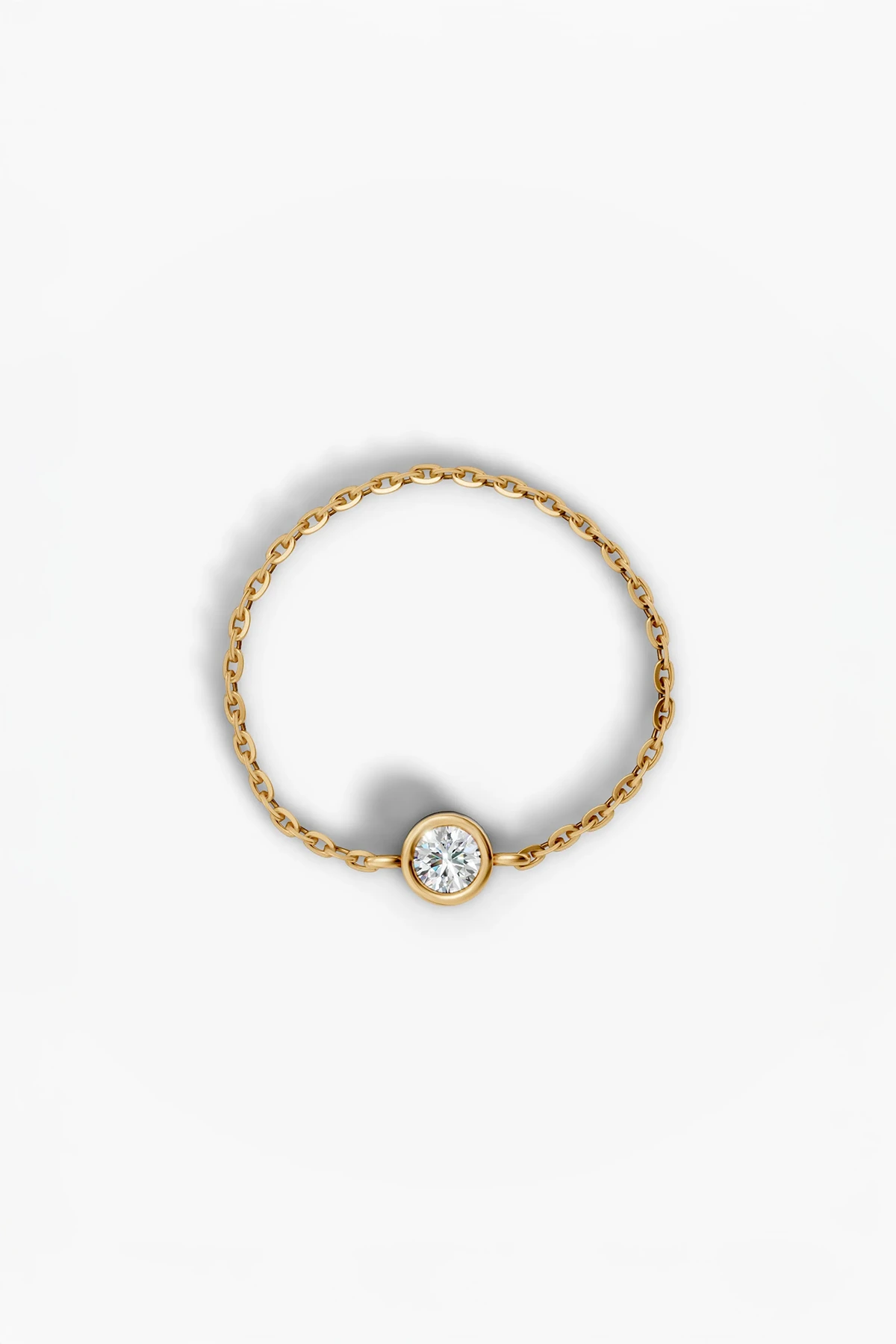
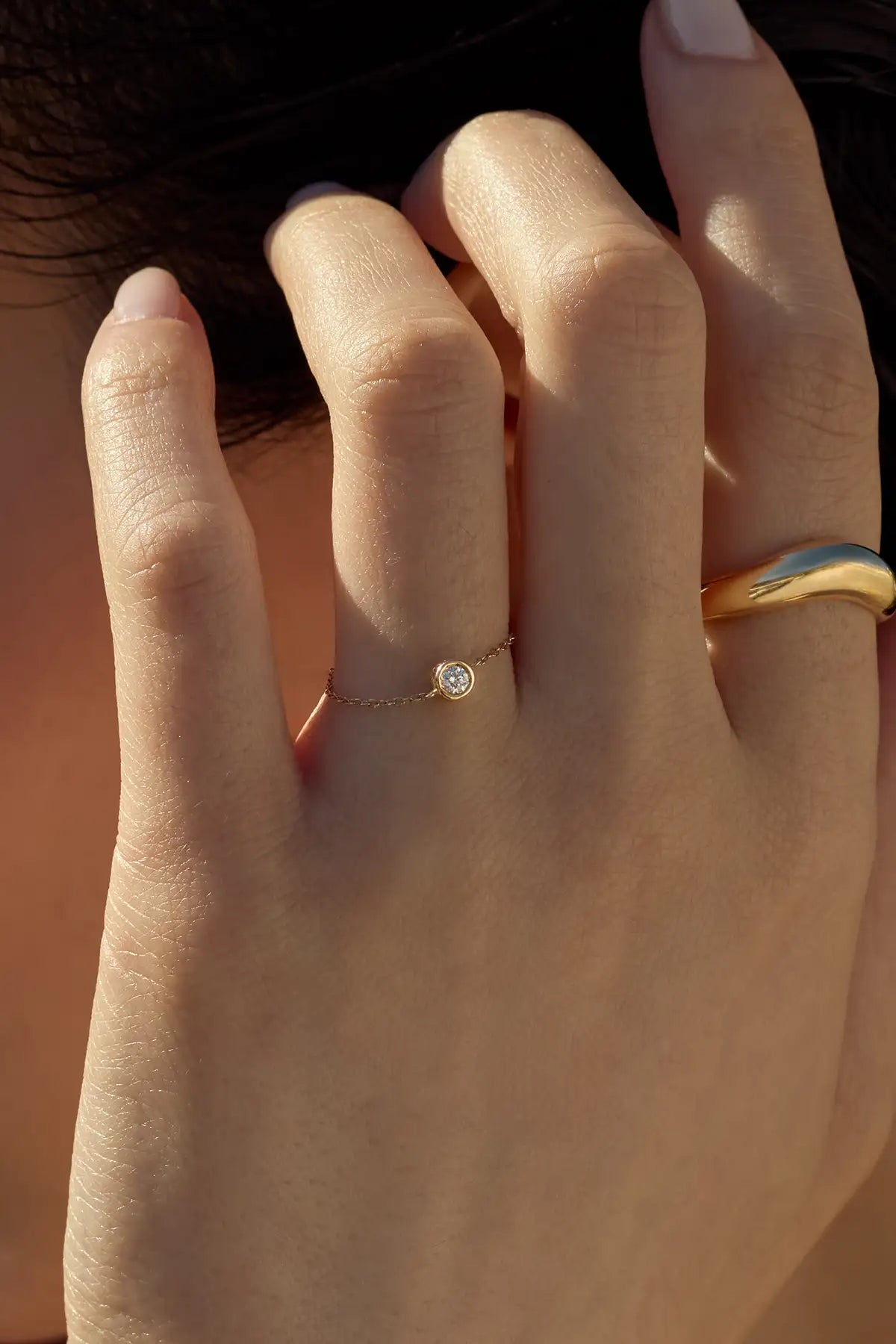
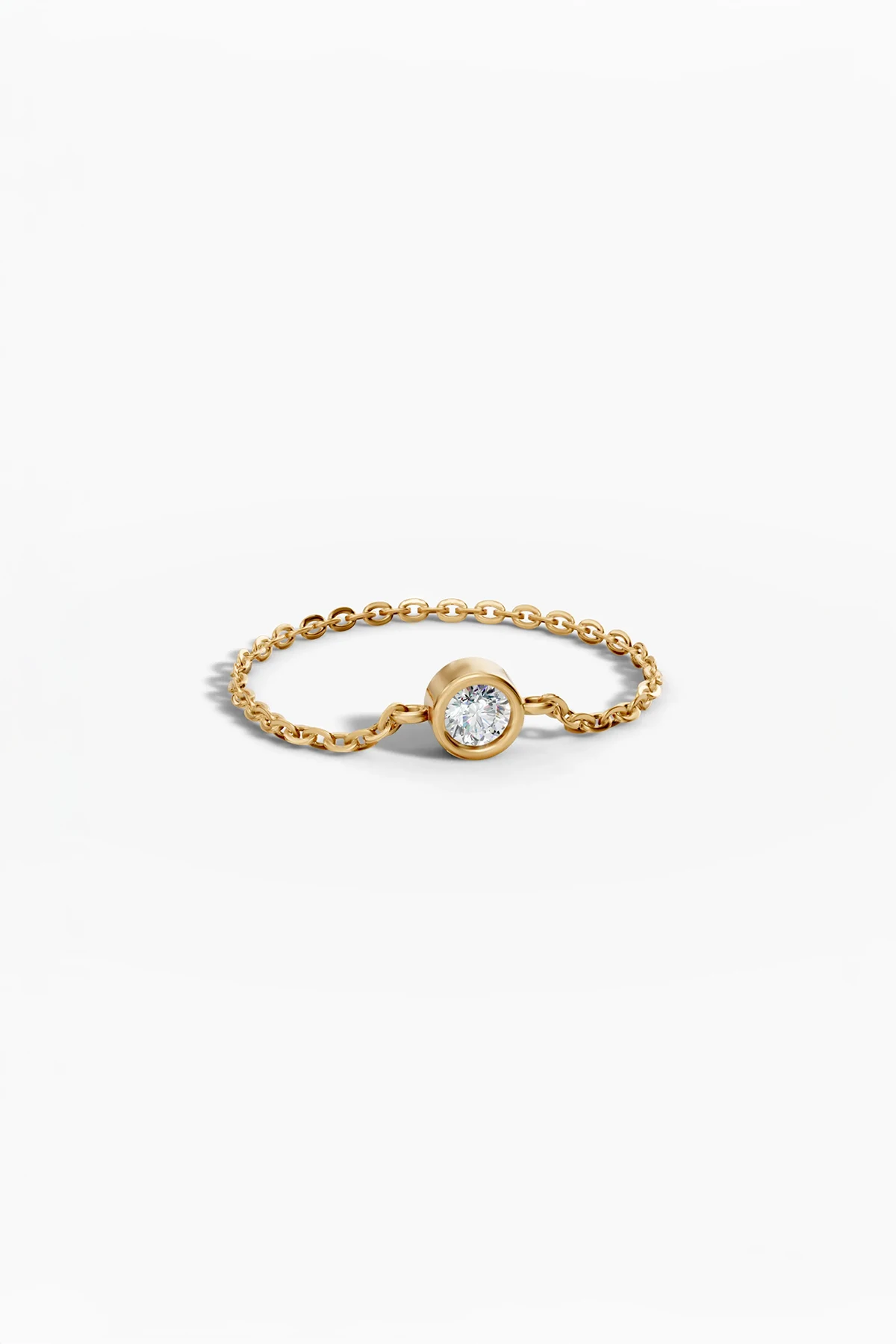
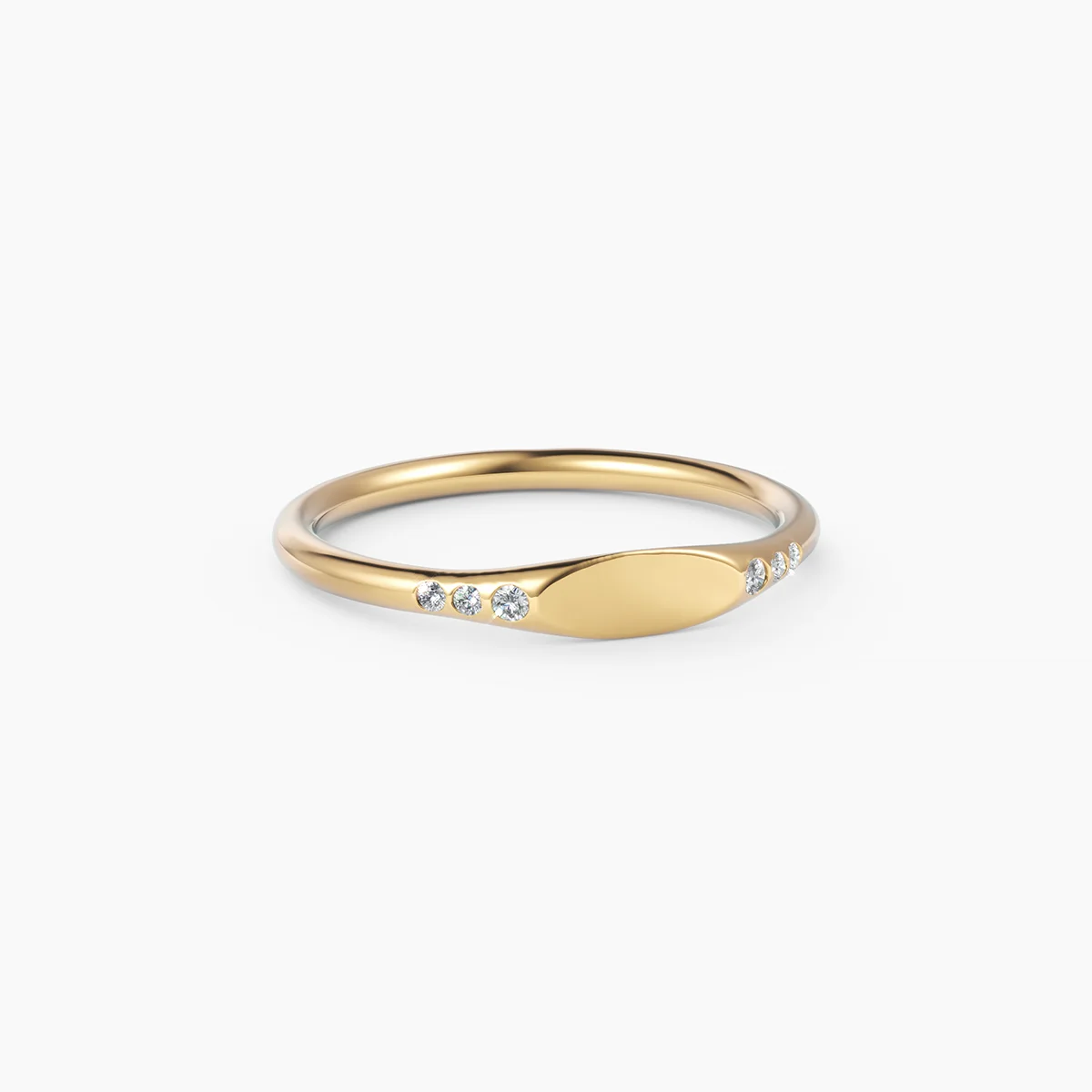
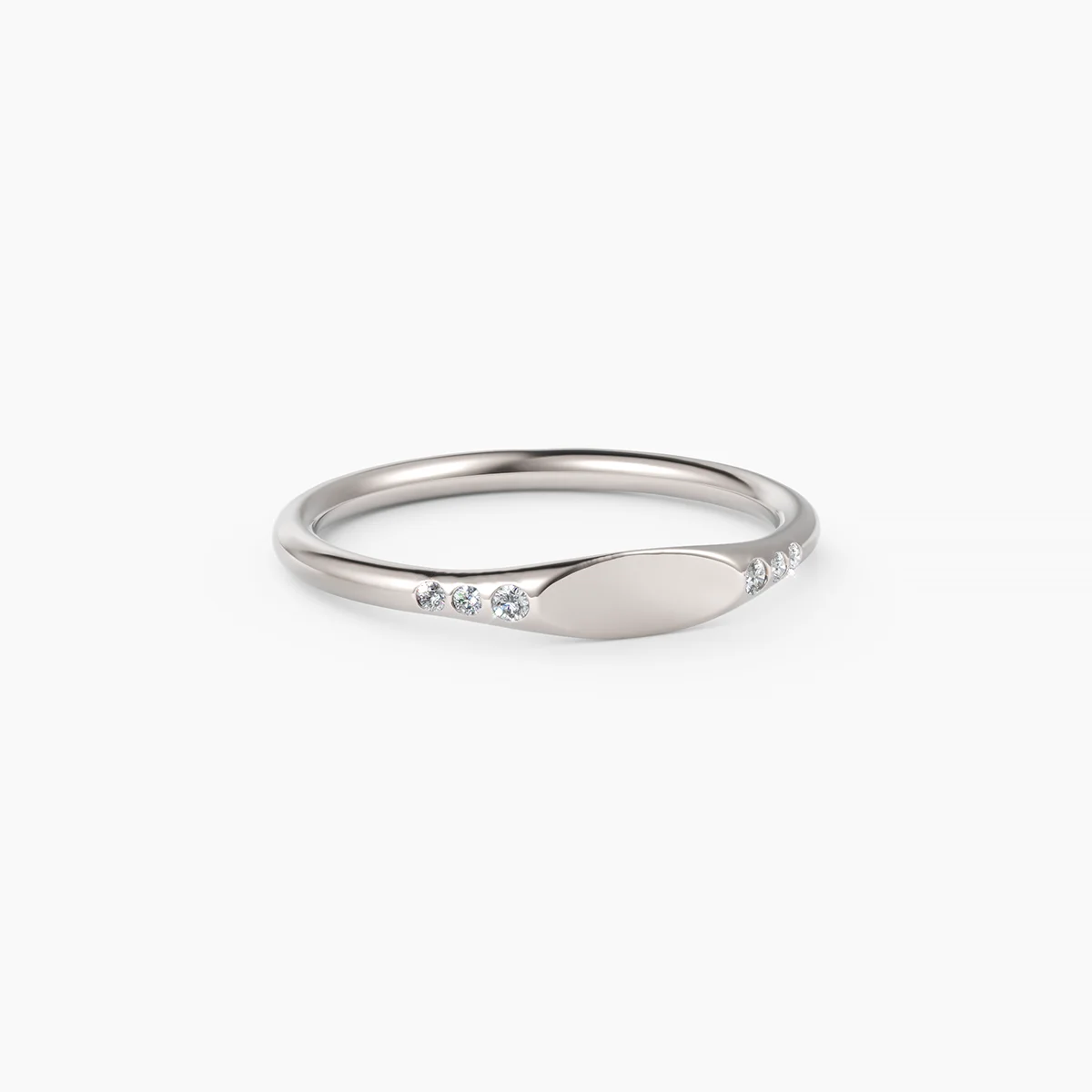
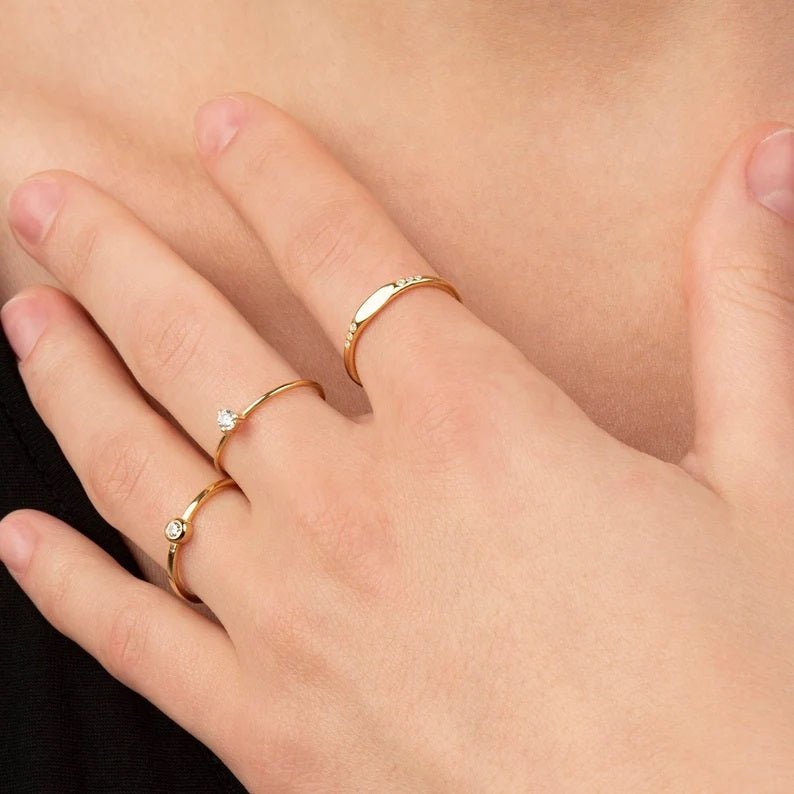
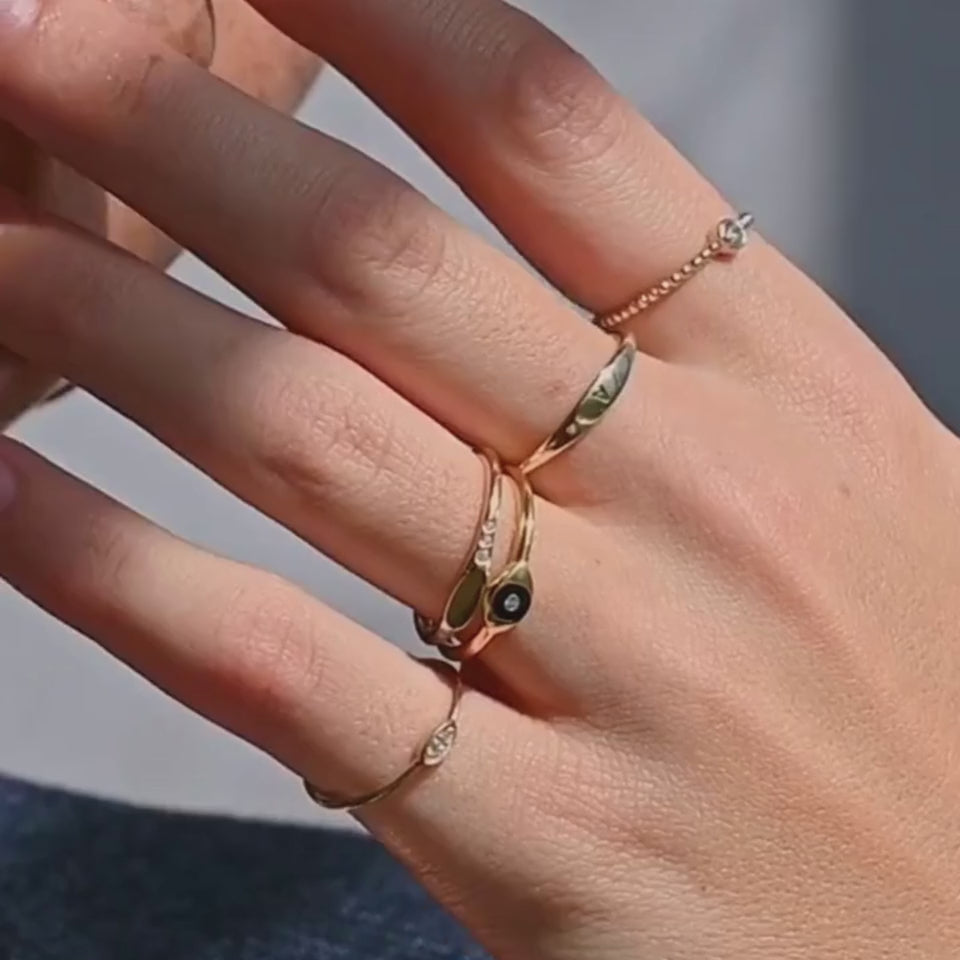
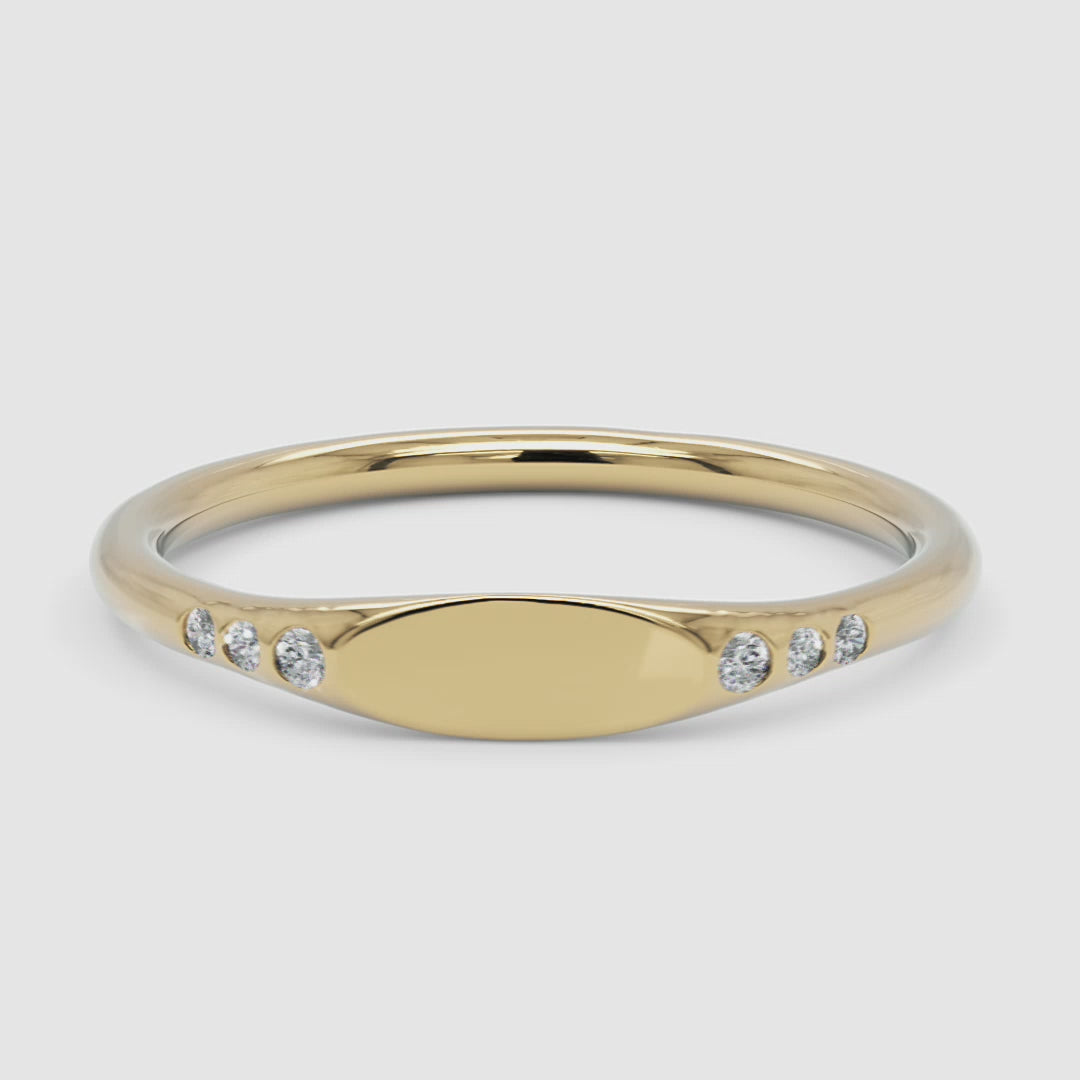
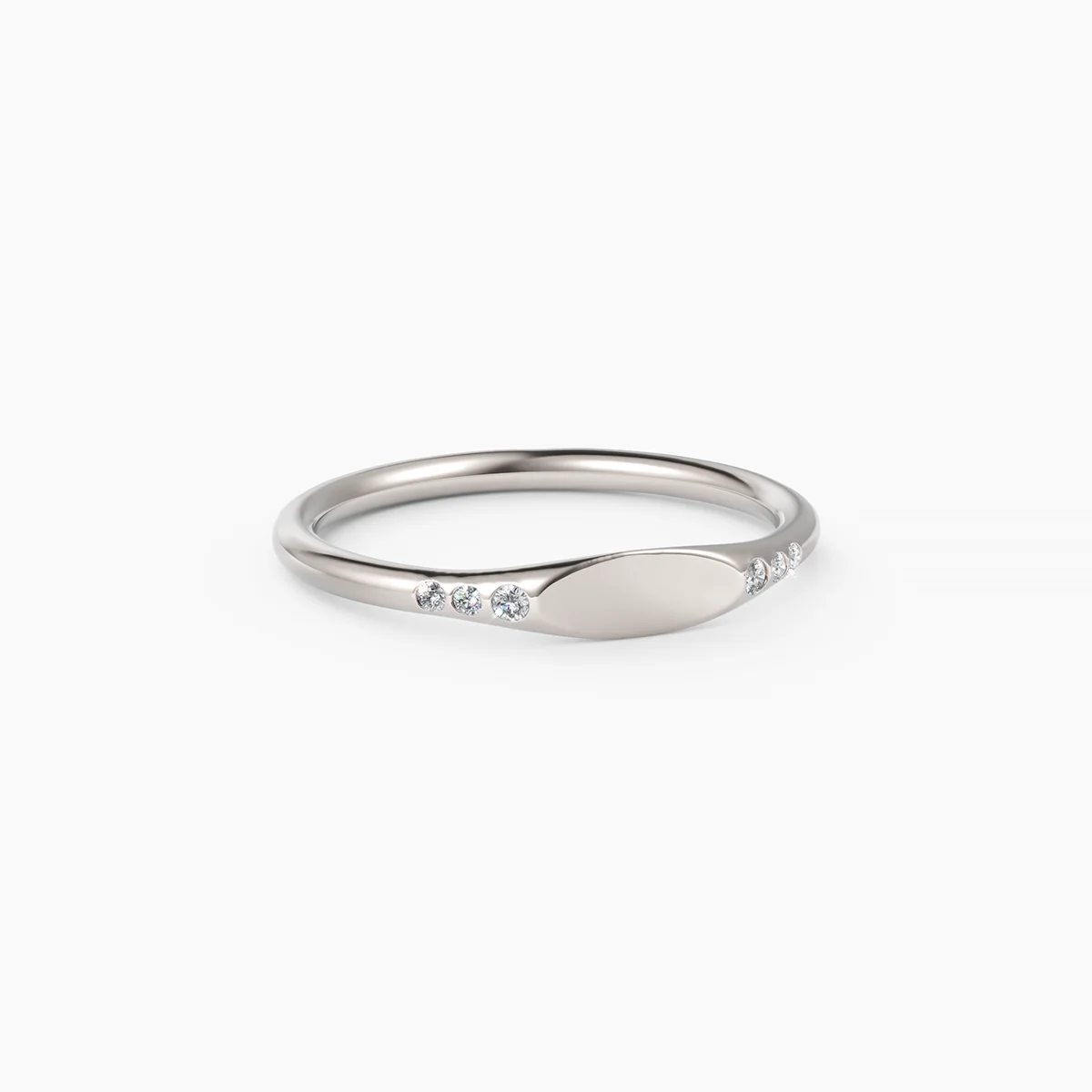
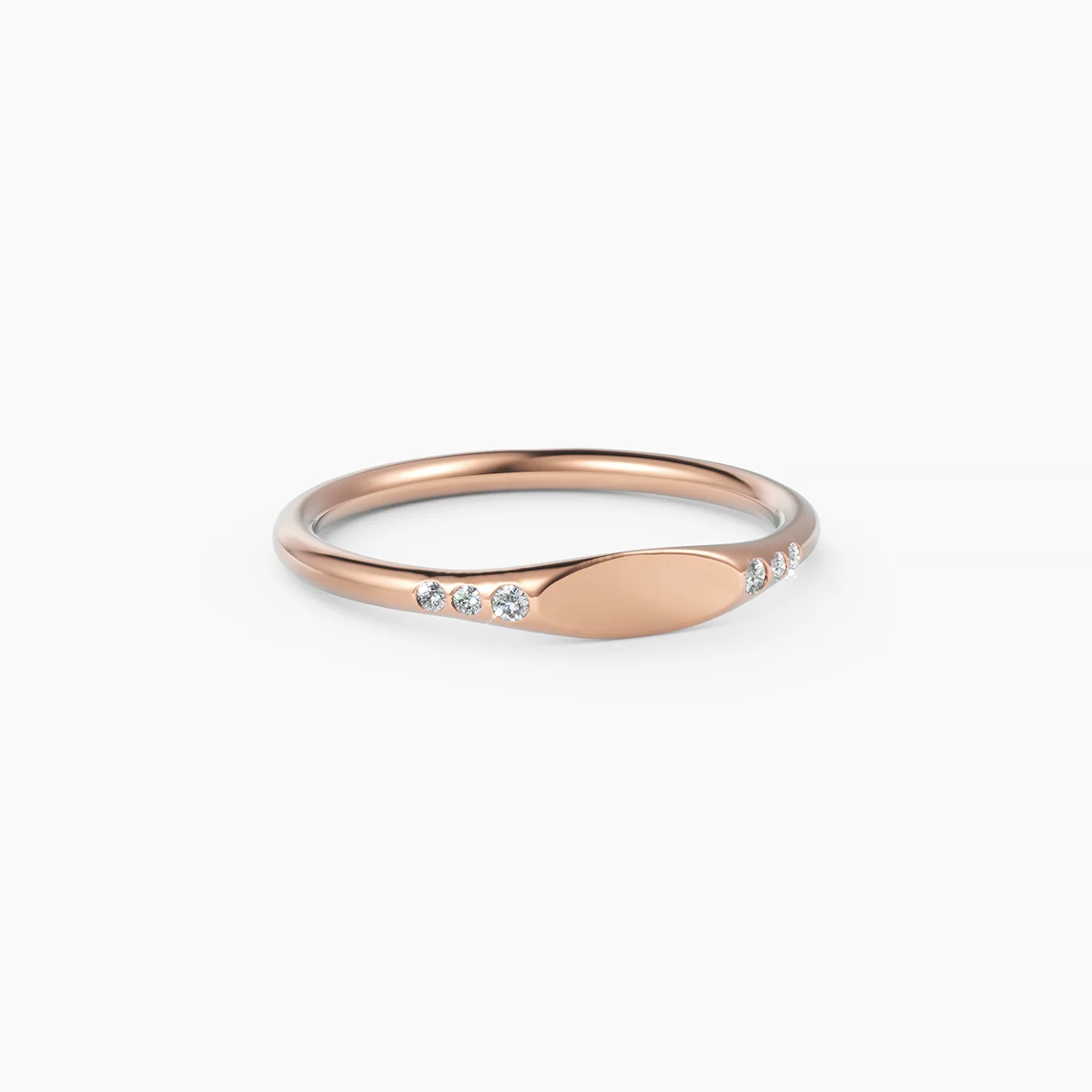
A diamond ring gets hit against things constantly and the owner rarely notices when it happens. Countertops, car doors, gym equipment, shopping carts. We know this because we track warranty claims and the number one issue across the jewelry industry for a gold diamond ring is stones loosening in their settings after impact. Our Athens workshop addresses this by cutting prong seats 0.15mm deeper than the industry standard, which means the diamond sits lower in the setting and the prong tips wrap further over the crown. The visual difference is subtle. The structural difference is significant. A standard depth seat relies on the prong tips to hold the stone. Our deeper seat means the stone rests against a ledge of gold below the girdle, so even if a prong takes a direct hit and bends slightly, the diamond does not move. Our goldsmith who sets every diamond ring calls this belt and suspenders. The seat is the belt. The prongs are the suspenders. Either one alone would probably hold but we prefer probably not to be in the sentence when we are talking about a real diamond ring staying in its setting. Whether it is a solitaire diamond ring, a lab grown diamond ring, or a diamond ring for women with multiple stones, every 14k diamond ring in this collection uses the deeper seat. It costs us an extra fifteen minutes per ring in labor. It saves the customer from ever experiencing a loose stone. That trade is obvious to us even if the math annoys our production scheduler. See our full rings collection, our engagement rings for proposal ready pieces, or our gold rings for band styles.