



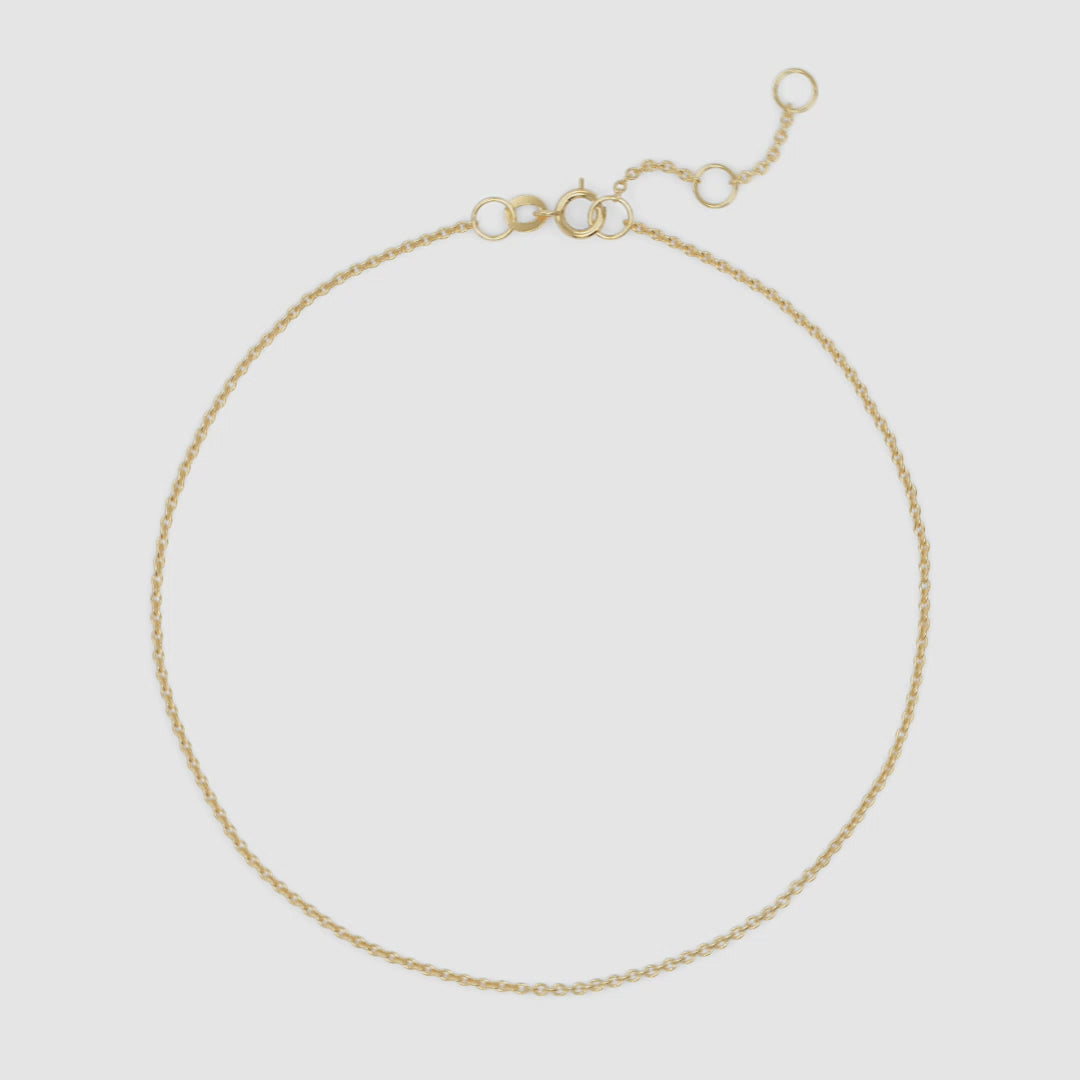


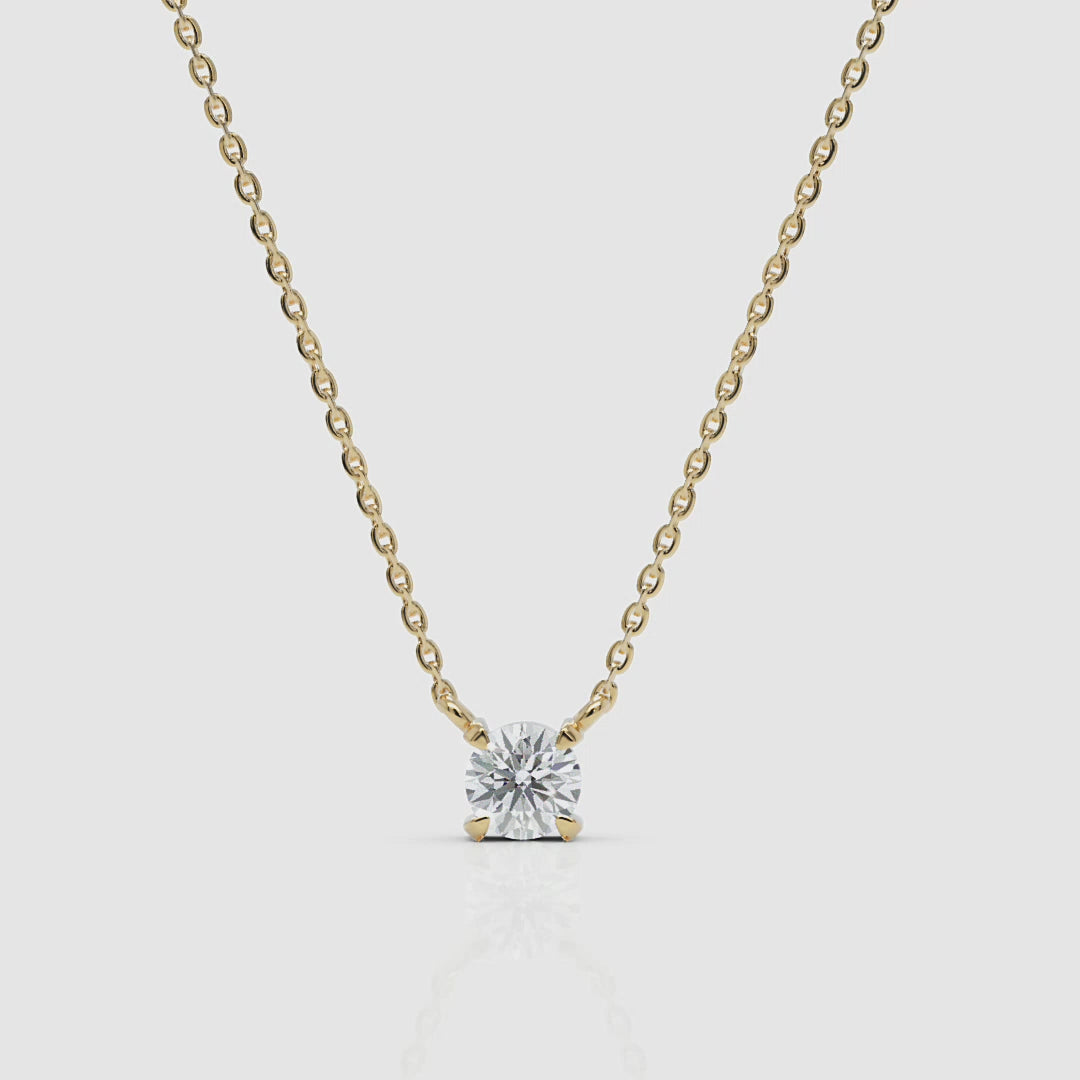


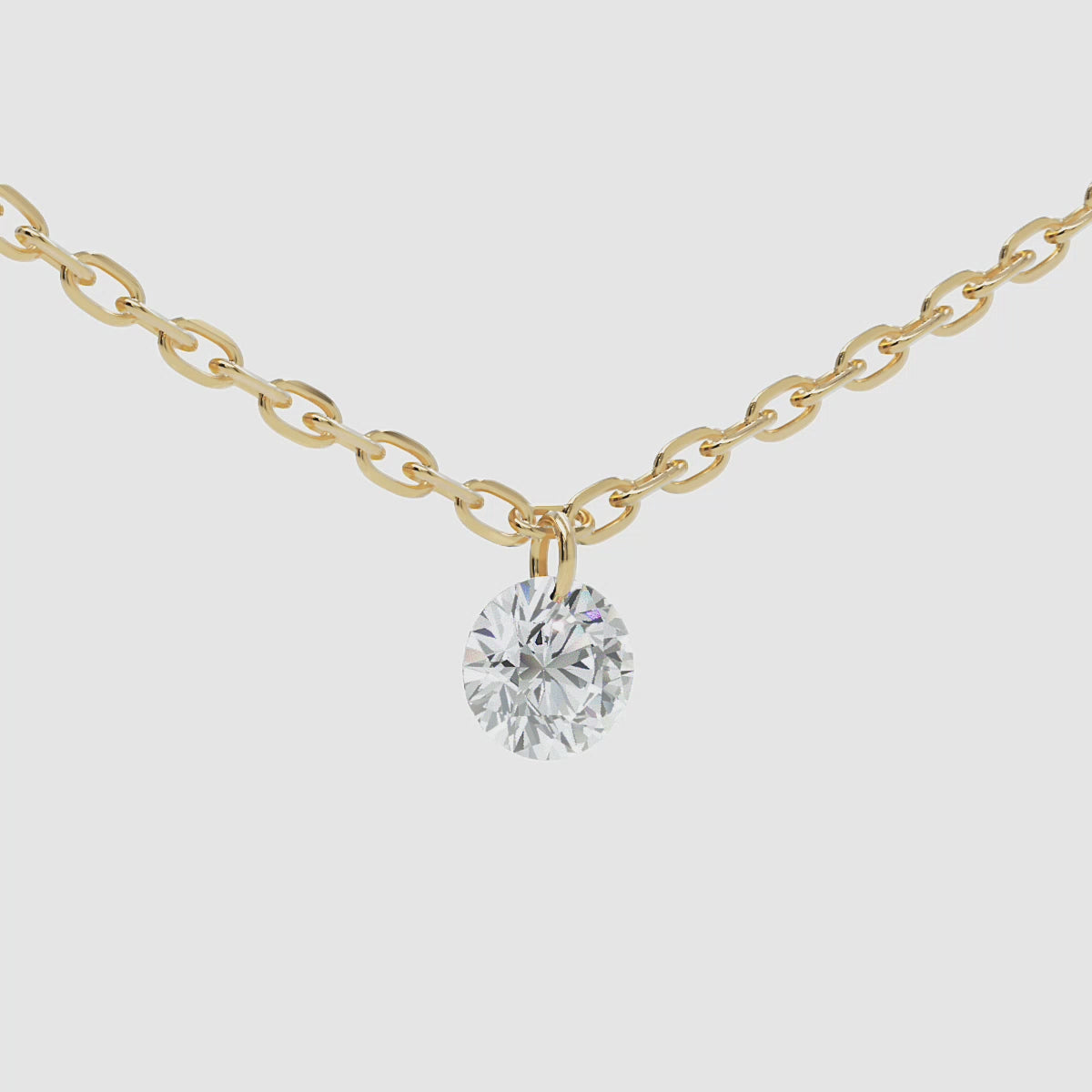


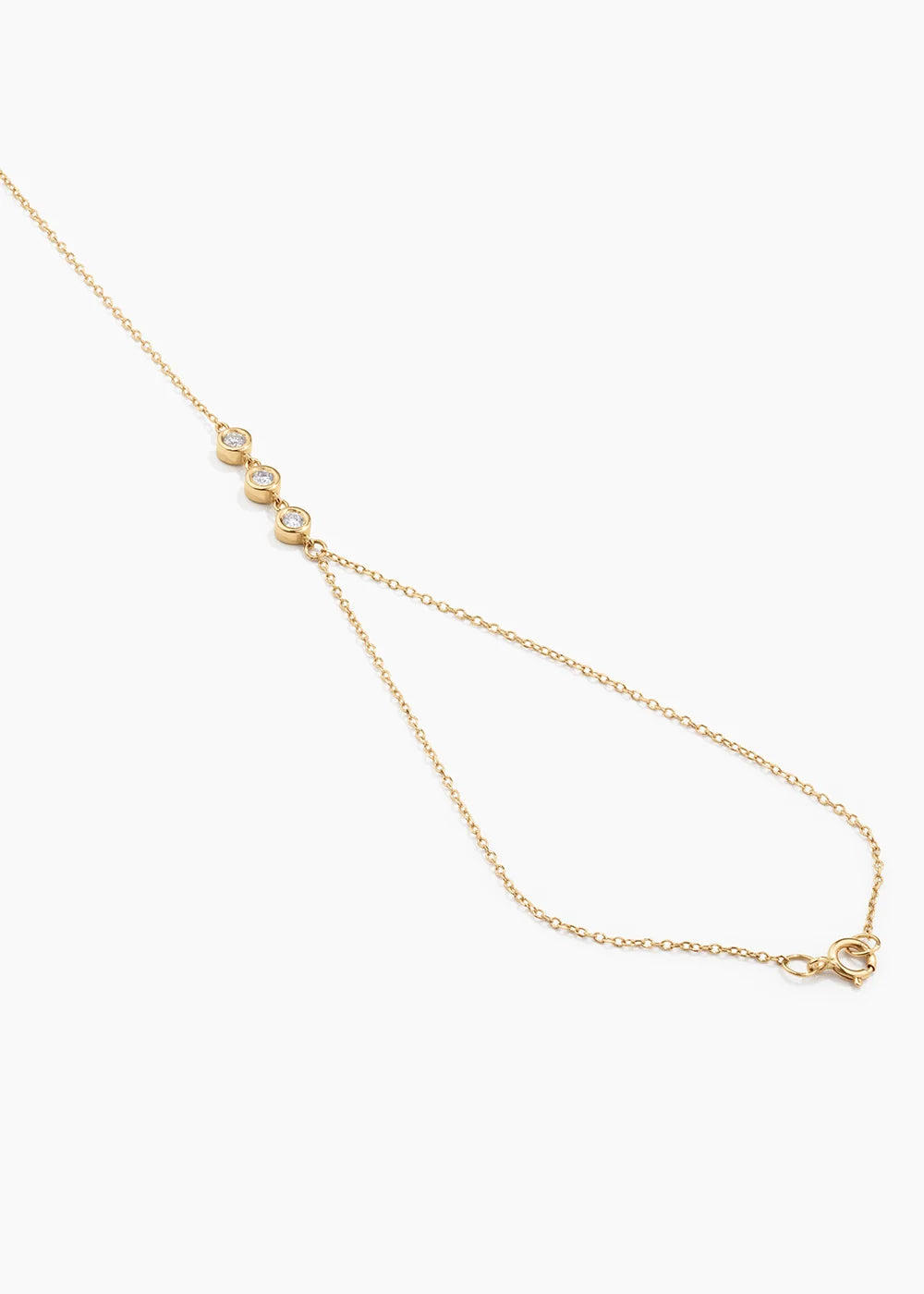








Natural vs lab grown diamonds. I get asked about this more than anything else. Customers, friends, family, even people I meet at dinner who find out what I do for a living. Everyone eventually asks the same question: Lakis, should I go with lab grown or natural?
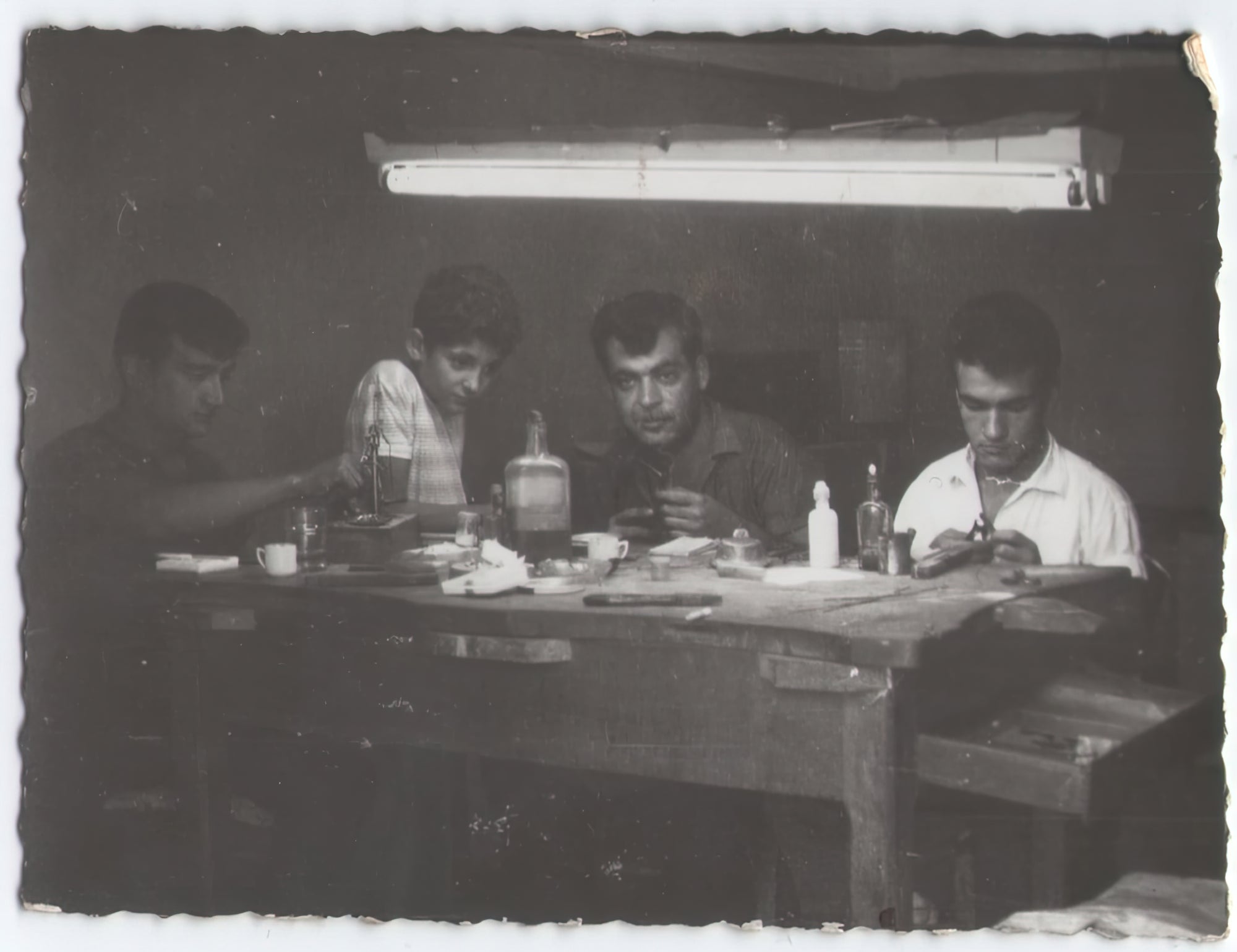
I have spent my life around diamonds. I set them by hand in our Athens workshop, the same workshop where my grandfather shaped gold before I was born. I work with both natural and lab grown stones every single day. And after all these years, I have a very clear opinion on this, which I am going to share with you honestly.
But first, let me explain what we are actually talking about.
What Is a Natural Diamond?
A natural diamond formed deep beneath the earth, roughly 100 miles below the surface, under extraordinary heat and pressure over the course of one to three billion years. Volcanic activity eventually carried these stones upward, close enough to the surface for us to mine them. Every natural diamond is unique in the way a fingerprint is unique. No two stones share the exact same pattern of inclusions.
For centuries, natural diamonds have been the traditional choice for fine jewelry. There is an undeniable romance to the idea that something so old, something shaped by the earth itself, now sits on your hand or against your collarbone. That feeling is real, and it matters to some people deeply, especially when it comes to milestone pieces like engagement rings.
What Is a Lab Grown Diamond?
A lab grown diamond is created in a controlled environment that replicates the exact conditions found deep underground. There are two methods: High Pressure High Temperature (HPHT) and Chemical Vapor Deposition (CVD). The process takes weeks instead of billions of years, but the result is a stone with the identical carbon crystal structure, the same hardness (10 on the Mohs scale), the same refractive index, and the same chemical composition as a natural diamond.
I want to be very clear about this. A lab grown diamond is not a fake diamond. It is not cubic zirconia. It is not moissanite. Those are entirely different materials that simply look similar to the untrained eye. A lab grown diamond is a diamond, full stop. It passes every test, every certification, every standard that exists in our industry.
Can Anyone Tell the Difference?
No. And I say this as someone who has been working with diamonds his entire career.
I cannot tell the difference by looking at a stone under a loupe. Neither can any other jeweler or gemologist on this planet. Not the dealers in Antwerp we have known for 70 years. Not the graders at the gemological laboratories. Nobody. The only way to distinguish a lab grown diamond from a natural one is through specialized spectroscopic equipment that reads how the crystal structure formed at a molecular level. Without that machine, the two stones are indistinguishable.
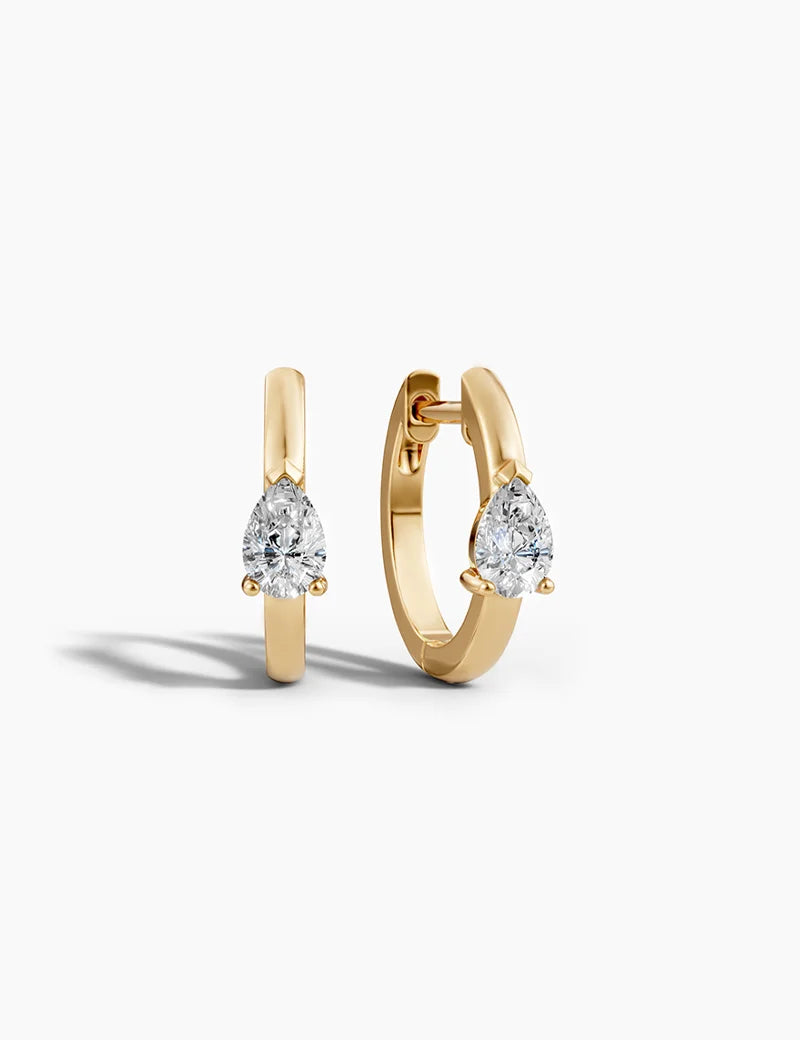
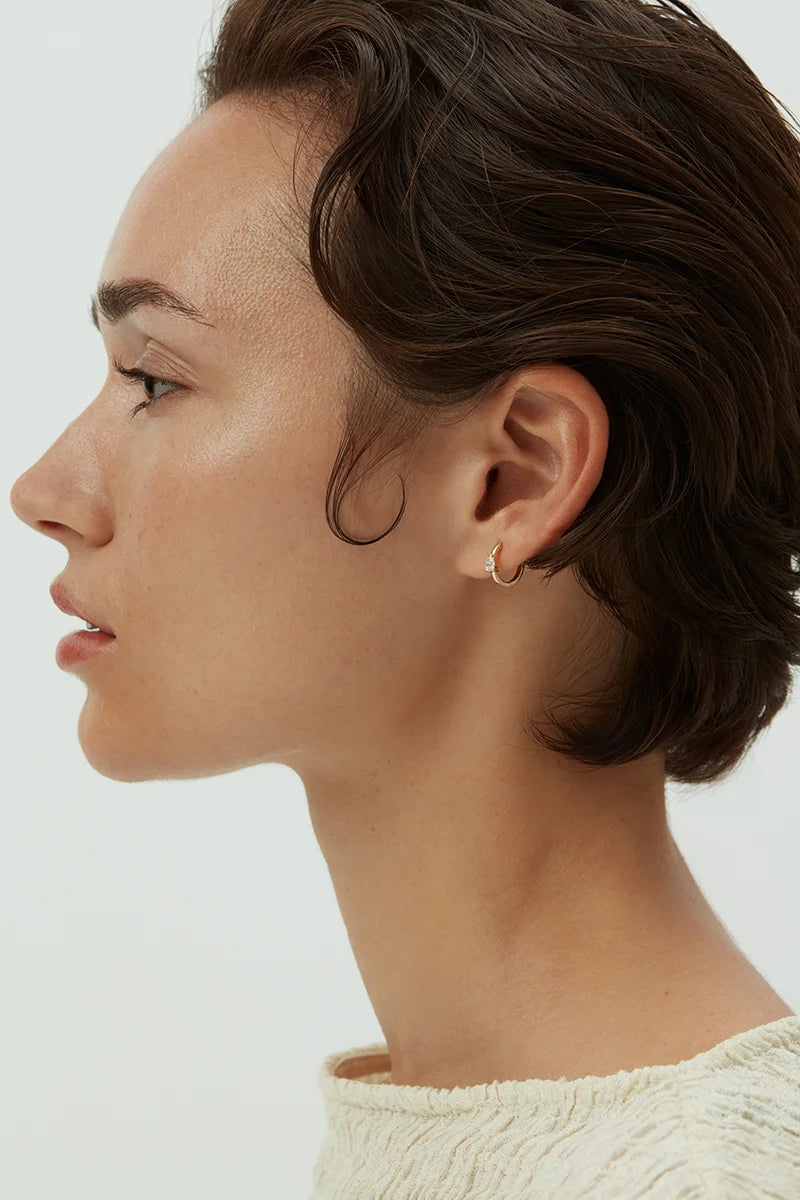
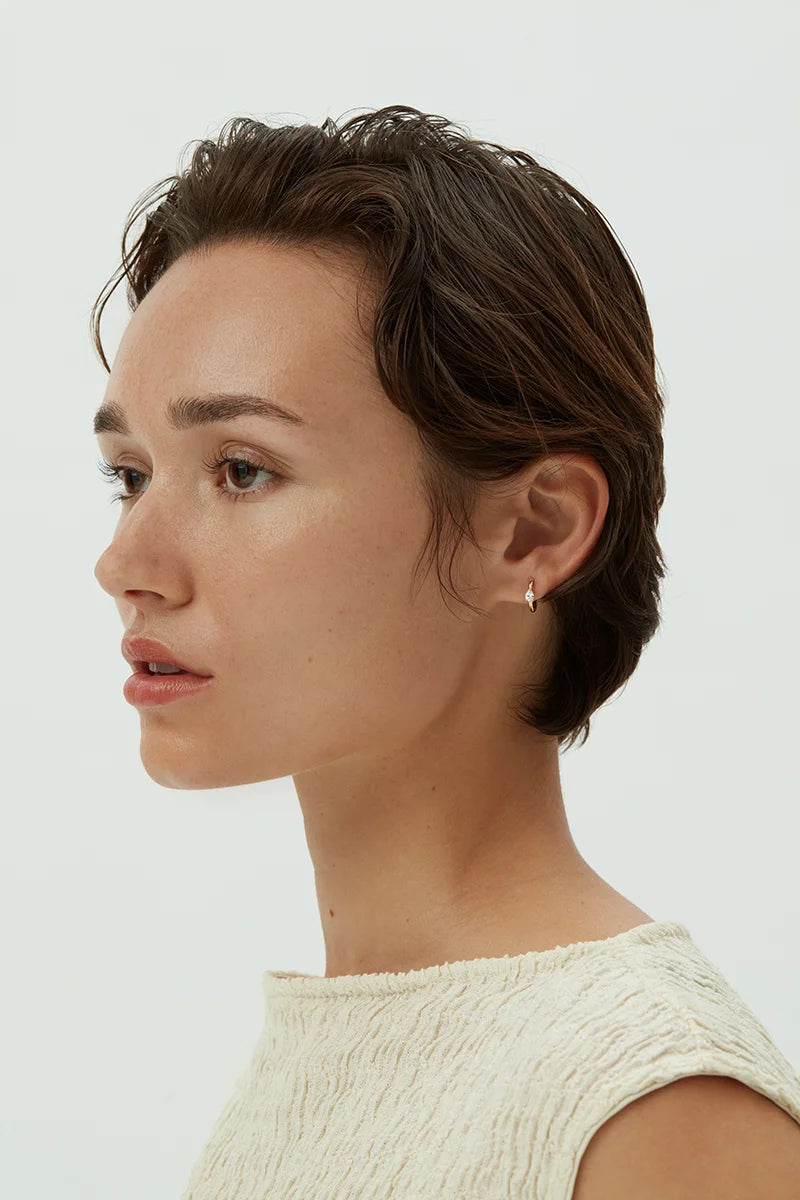
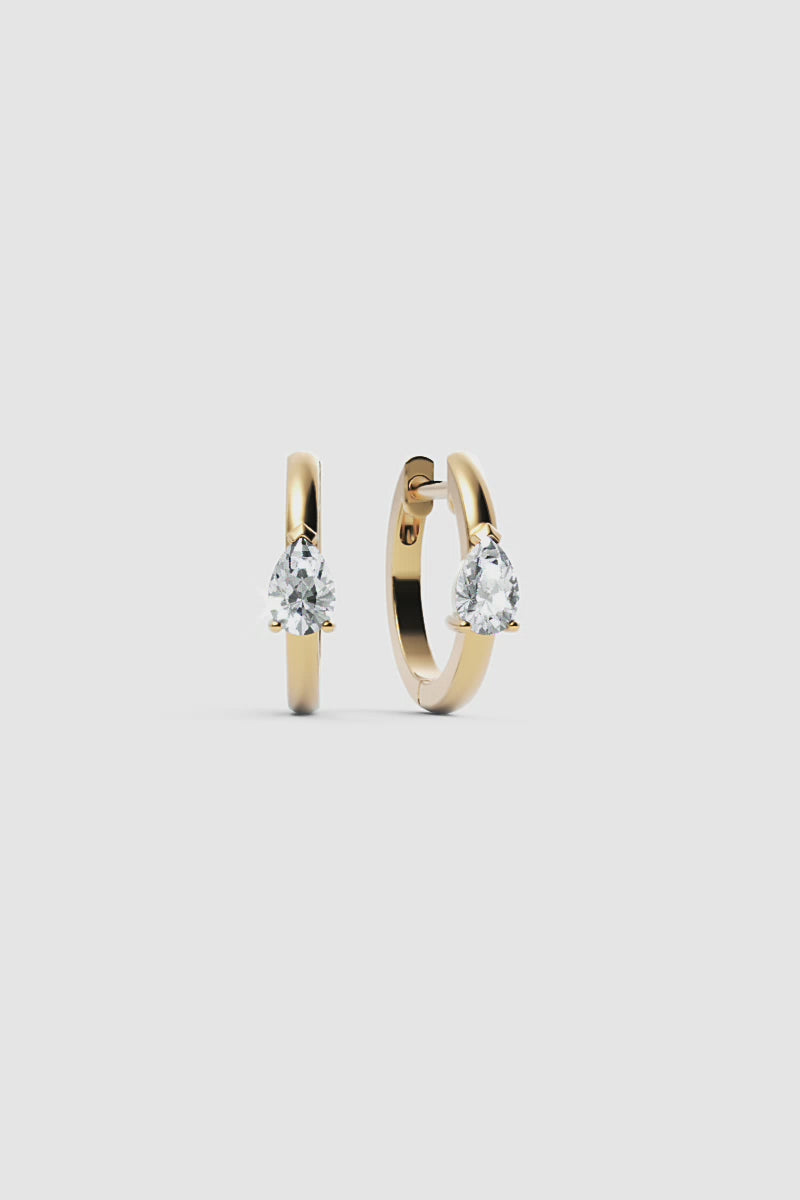
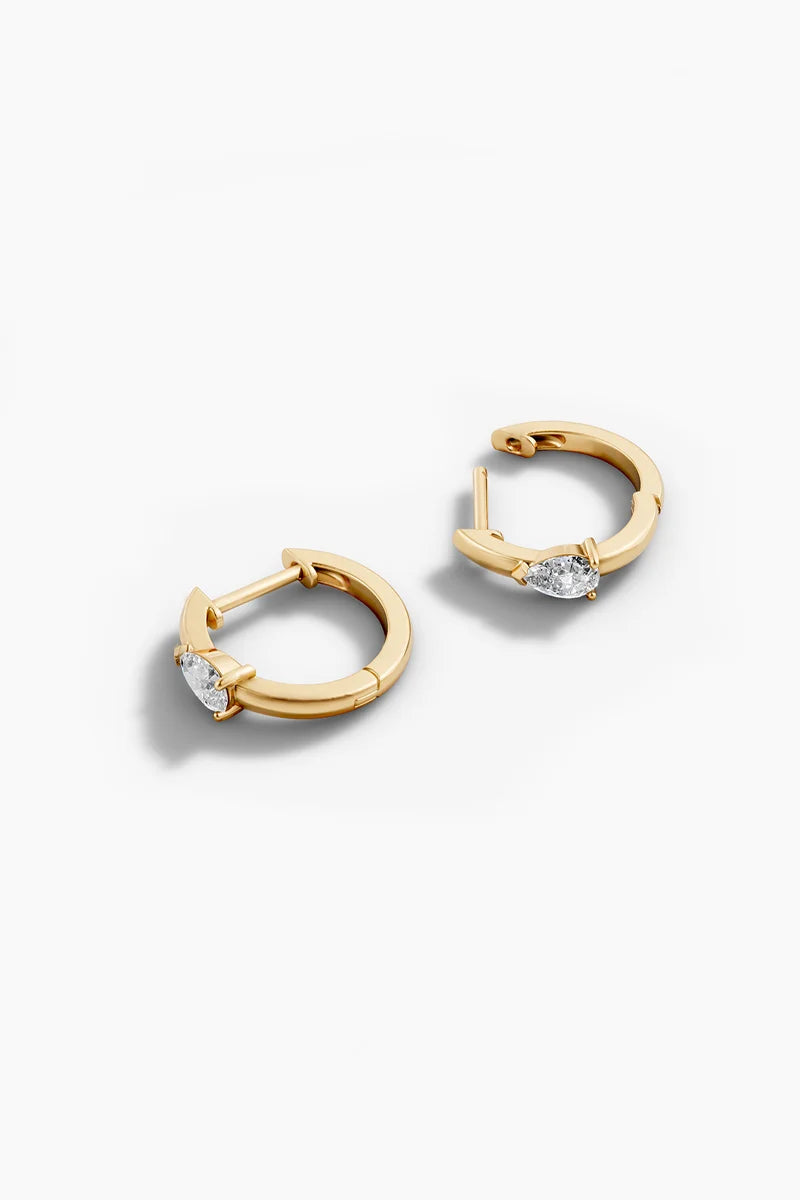
So when someone is wearing a diamond necklace or a pair of diamond earrings, no one, not your jeweler, not your most discerning friend, not the diamond dealer with four decades of experience, will ever know whether those stones came from the earth or from a laboratory. The fire, the brilliance, the way light moves through the stone. All of it is identical.
The Environmental Reality
Lab grown diamonds are significantly more environmentally friendly. There is no large scale excavation, no ecosystem disruption, and a substantially smaller carbon footprint. For anyone who cares about where their jewelry comes from and what it costs the world, this matters.
That said, I want to be transparent about our natural diamonds as well. Our family has sourced stones from the same dealers in Antwerp for over 70 years. These are third generation traders we know personally. We have watched their children grow up just as they have watched ours. When I say we trust them, I mean it in the deepest possible way. Every natural diamond that enters our workshop is conflict free, certified through the Kimberley Process, and sourced with the kind of care that only comes from relationships built across generations.
With our lab grown stones, we work with the same Antwerp partners to source diamonds produced with the lowest possible emissions. Whether you choose natural or lab grown, the quality standard in our workshop does not change.
My Honest Recommendation
Here is where I stop being diplomatic.
People ask me this constantly. Customers sit across from me, looking at a dainty diamond necklace or a diamond ring, and they want to know what I would personally choose. So let me tell you.
I recommend lab grown diamonds to about 99% of the people who ask me.
The reason is simple. You get the exact same product. Often, you get something aesthetically superior because you can afford a larger, higher clarity stone. And you pay a third of the price. Sometimes less. I have turned this over in my mind many times, and I genuinely cannot find a compelling reason to suggest a natural diamond over a lab grown one for most people.
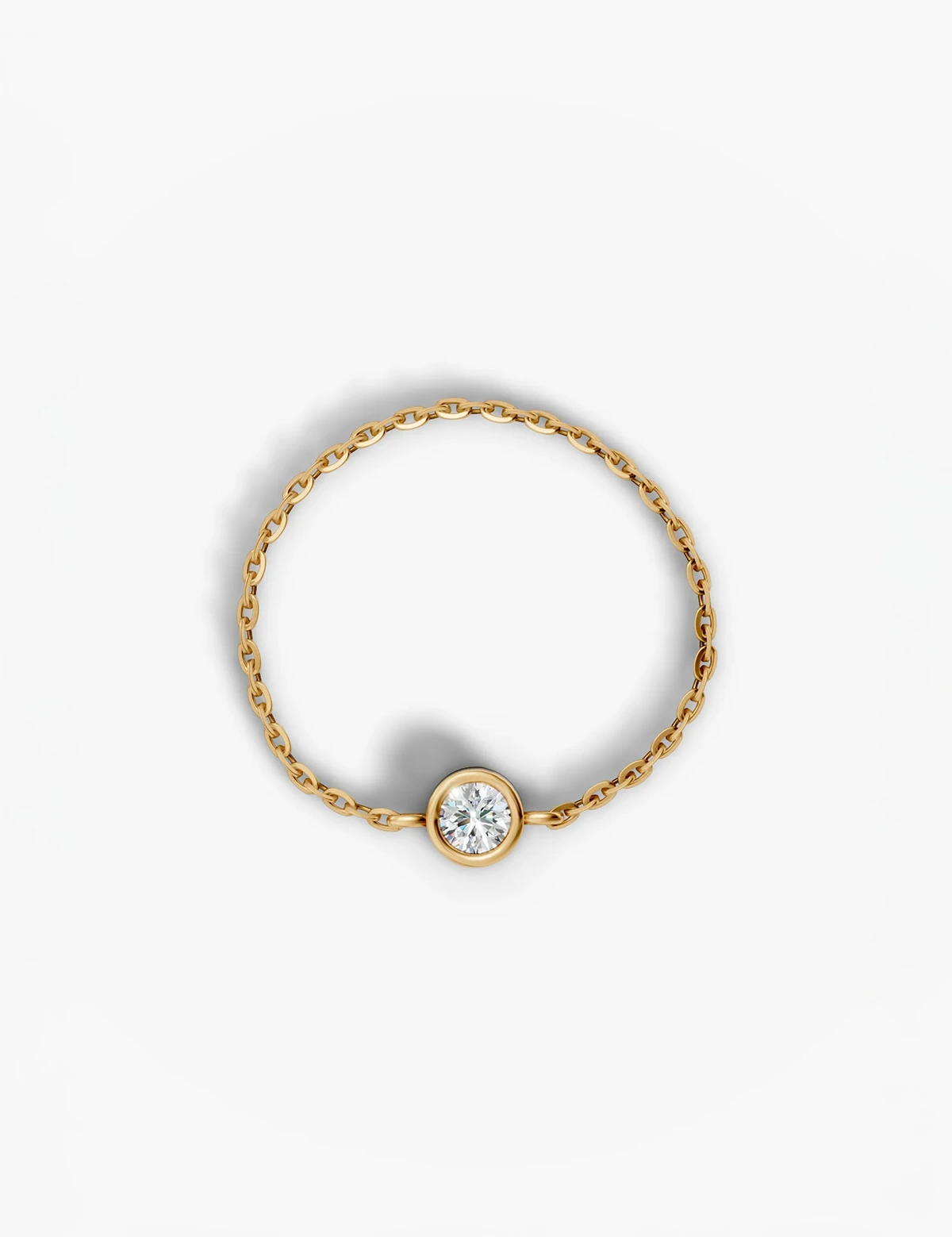
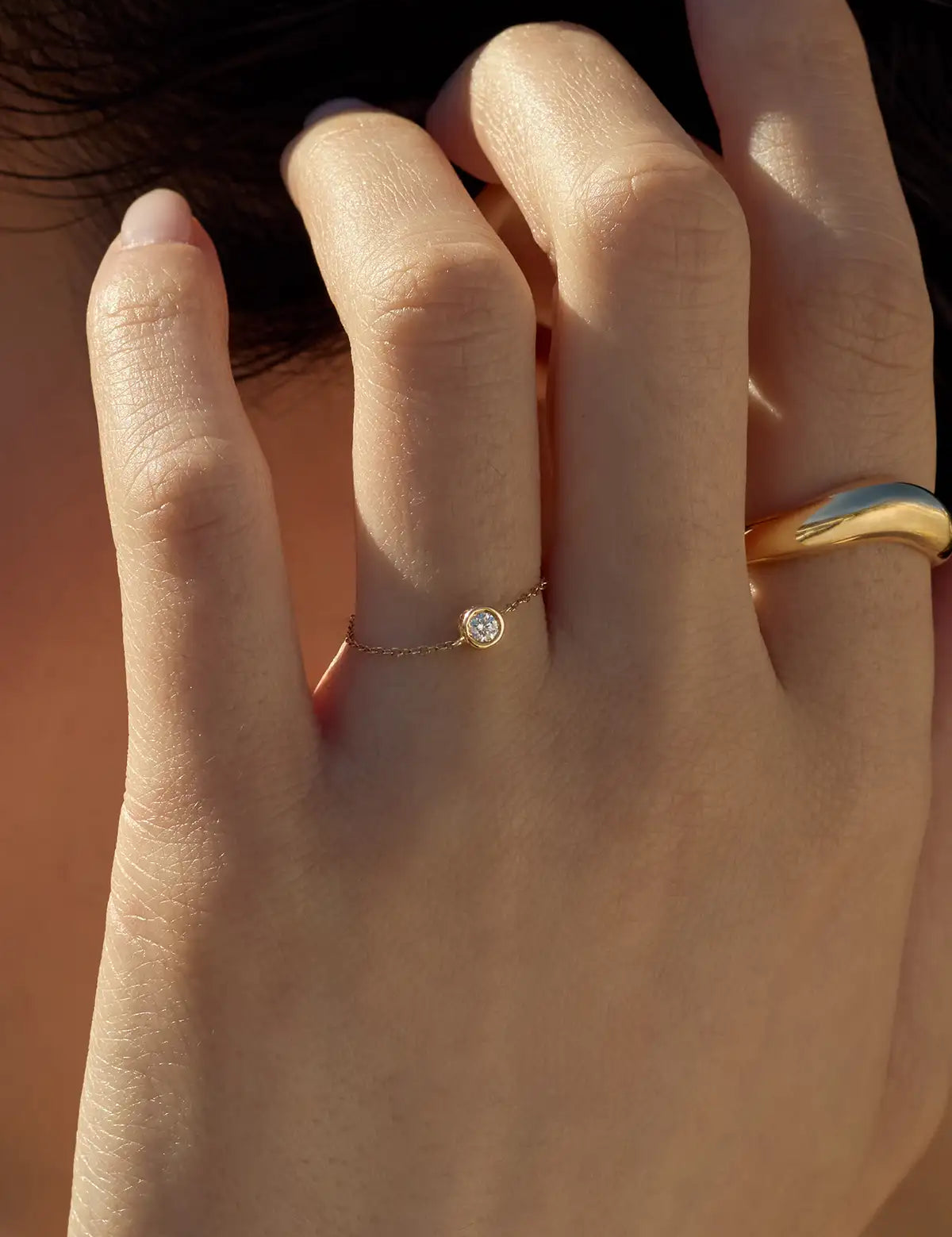
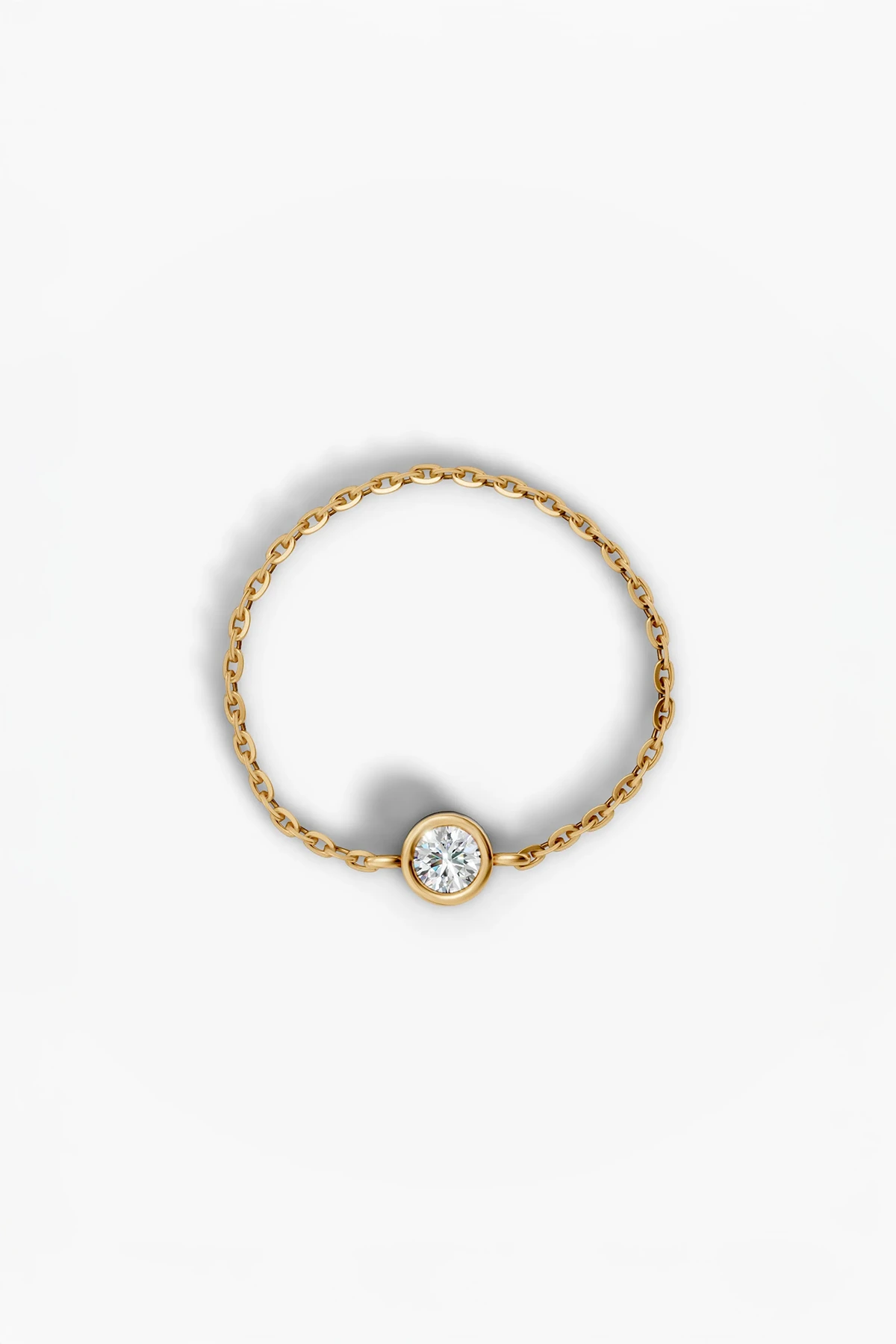
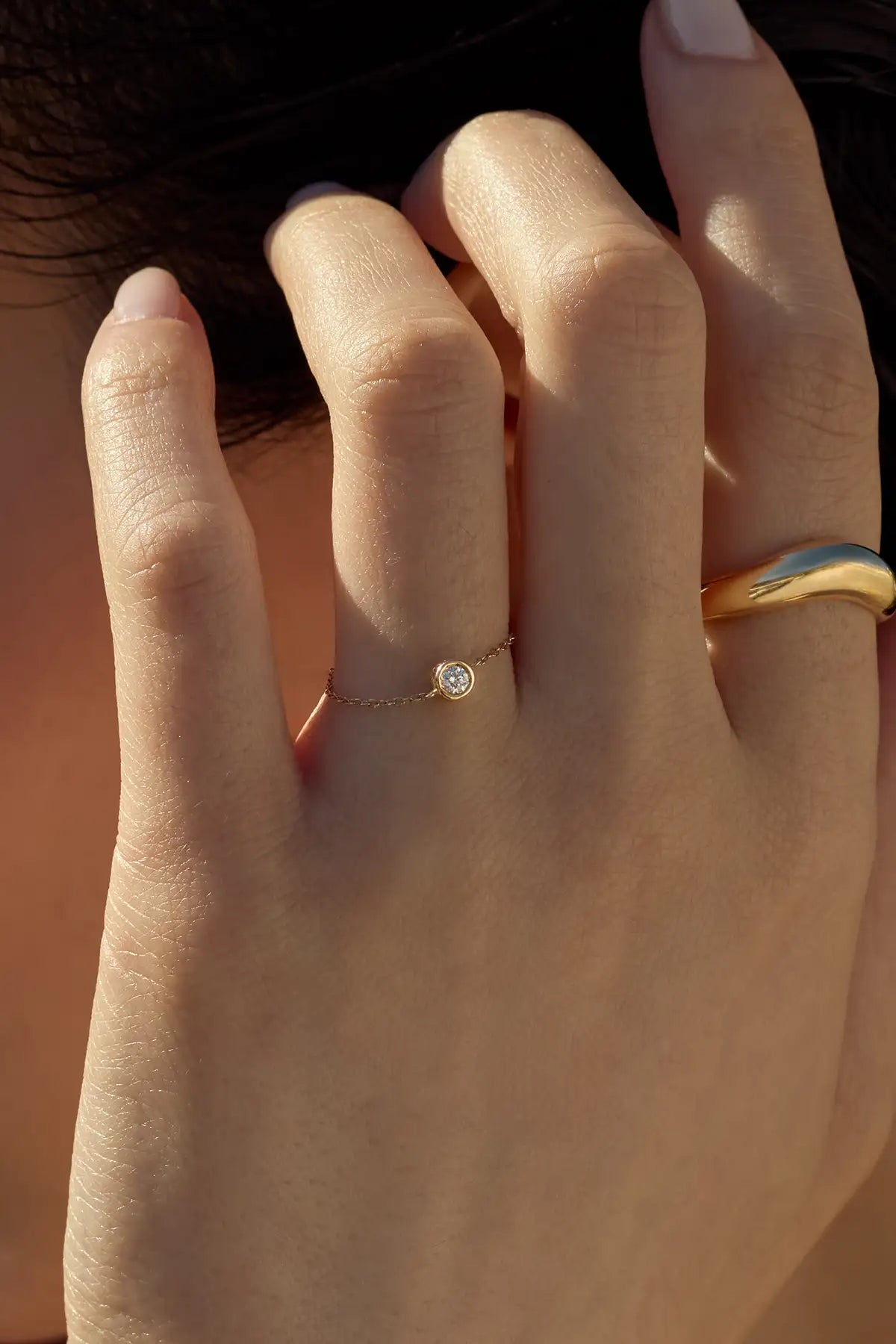
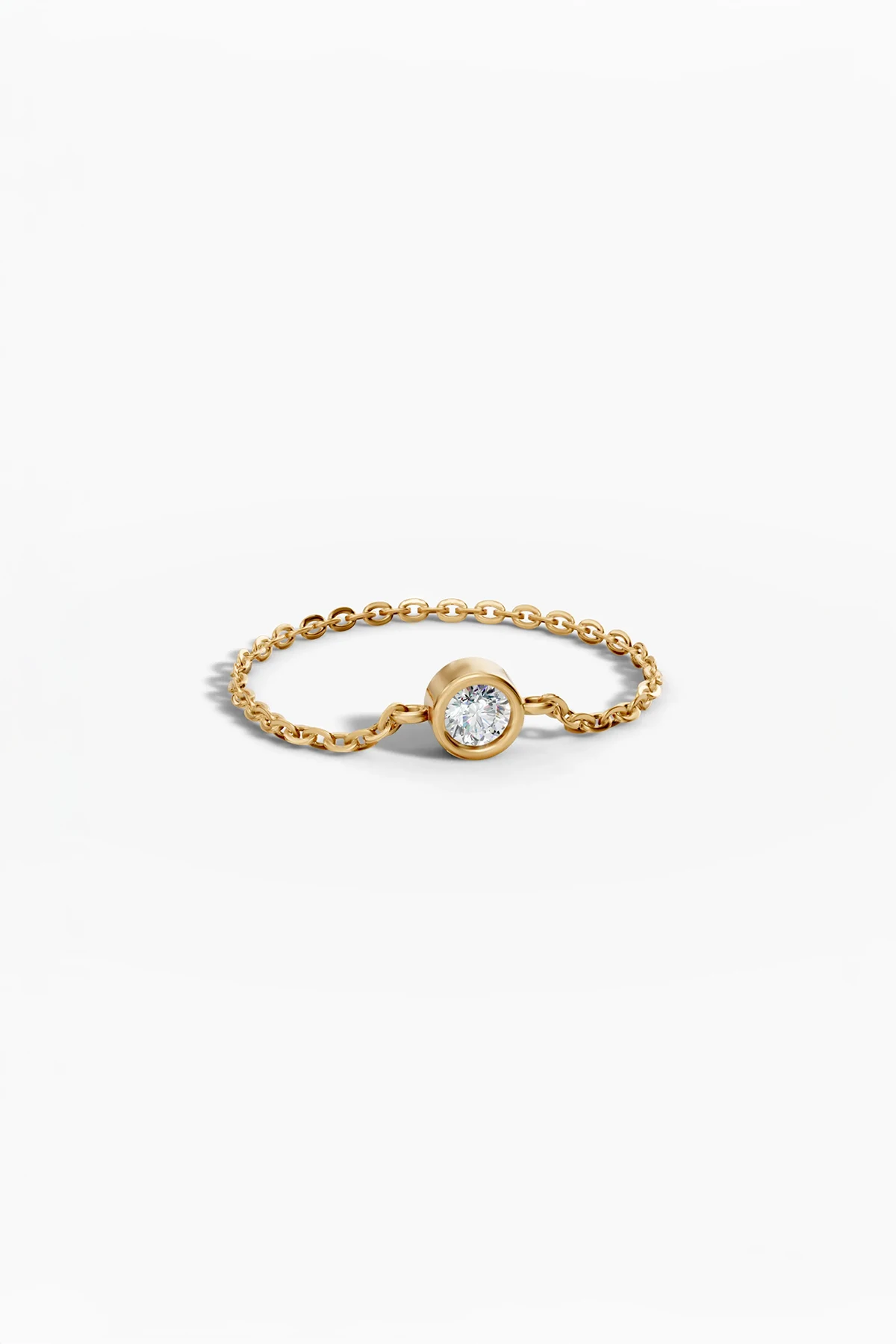
Think about it practically. Say you have a budget and you want a diamond solitaire necklace or a solitaire ring. That same budget buys you roughly a 1 carat lab grown diamond or a 0.25 carat natural diamond. The difference on the hand or at the neck is not subtle. A 1 carat stone catches light from across the room. It has presence. It looks like a piece of fine jewelry that someone chose with intention. A quarter carat stone, while lovely, simply cannot compete with that visual impact.
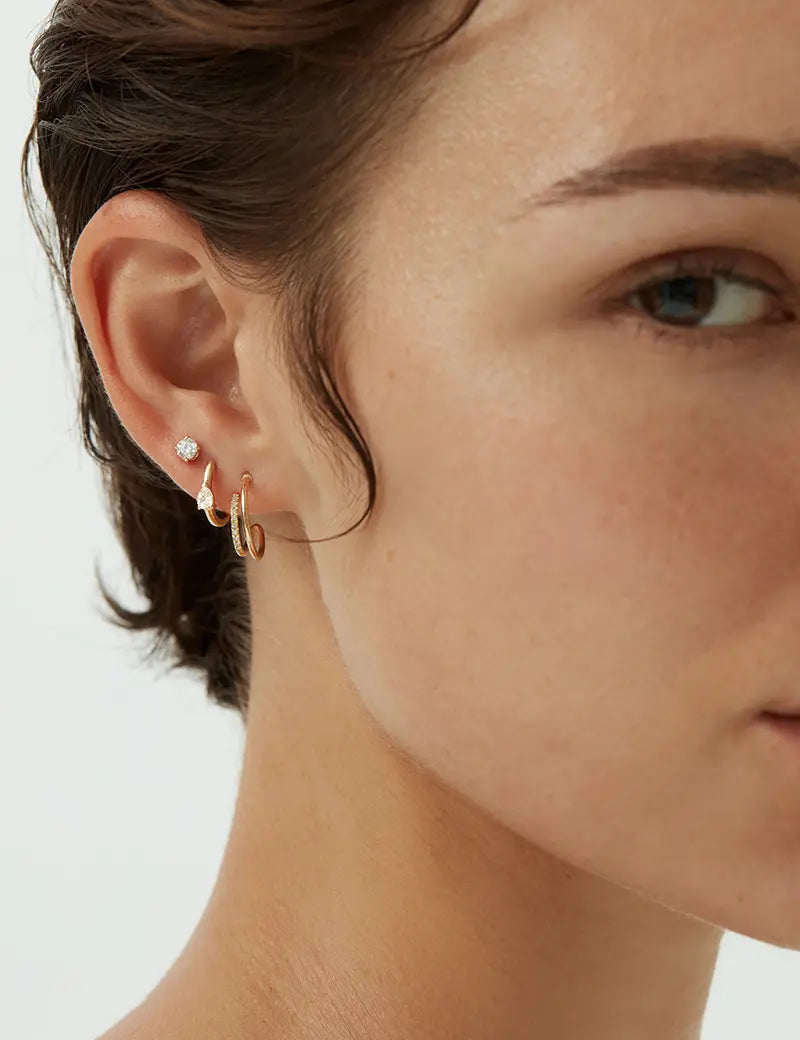
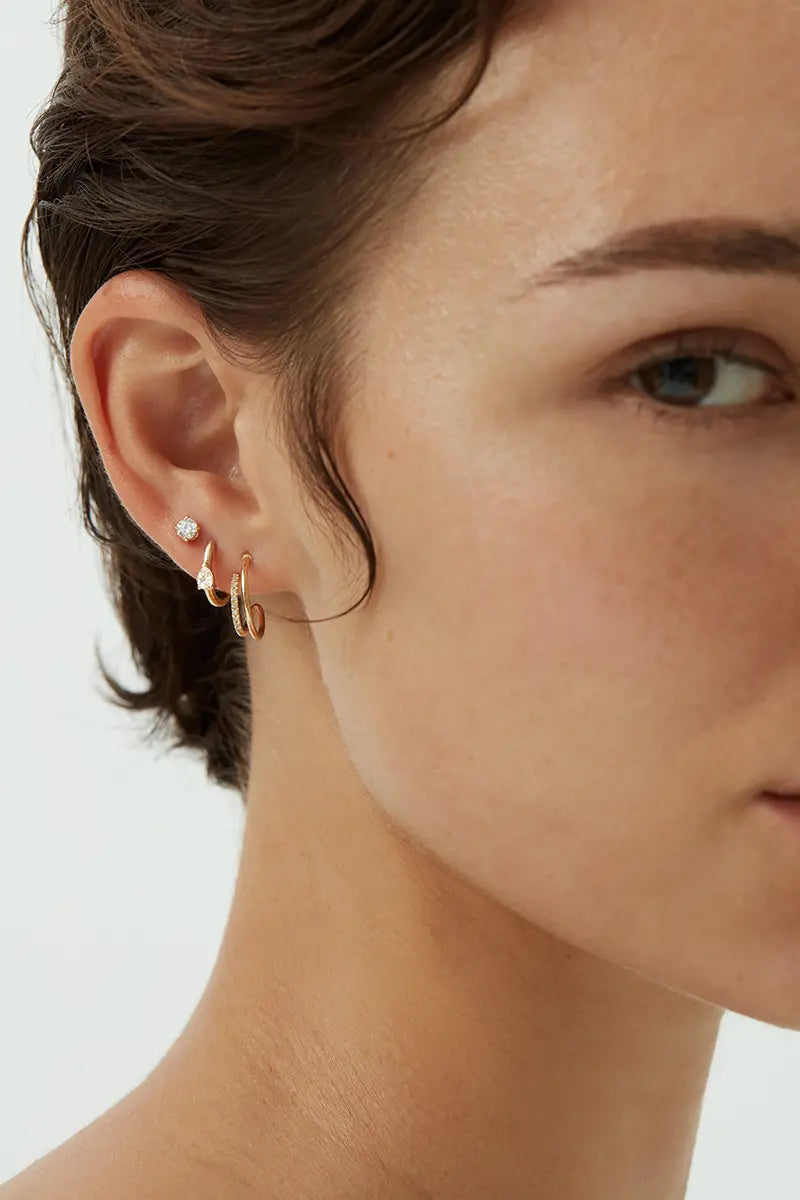
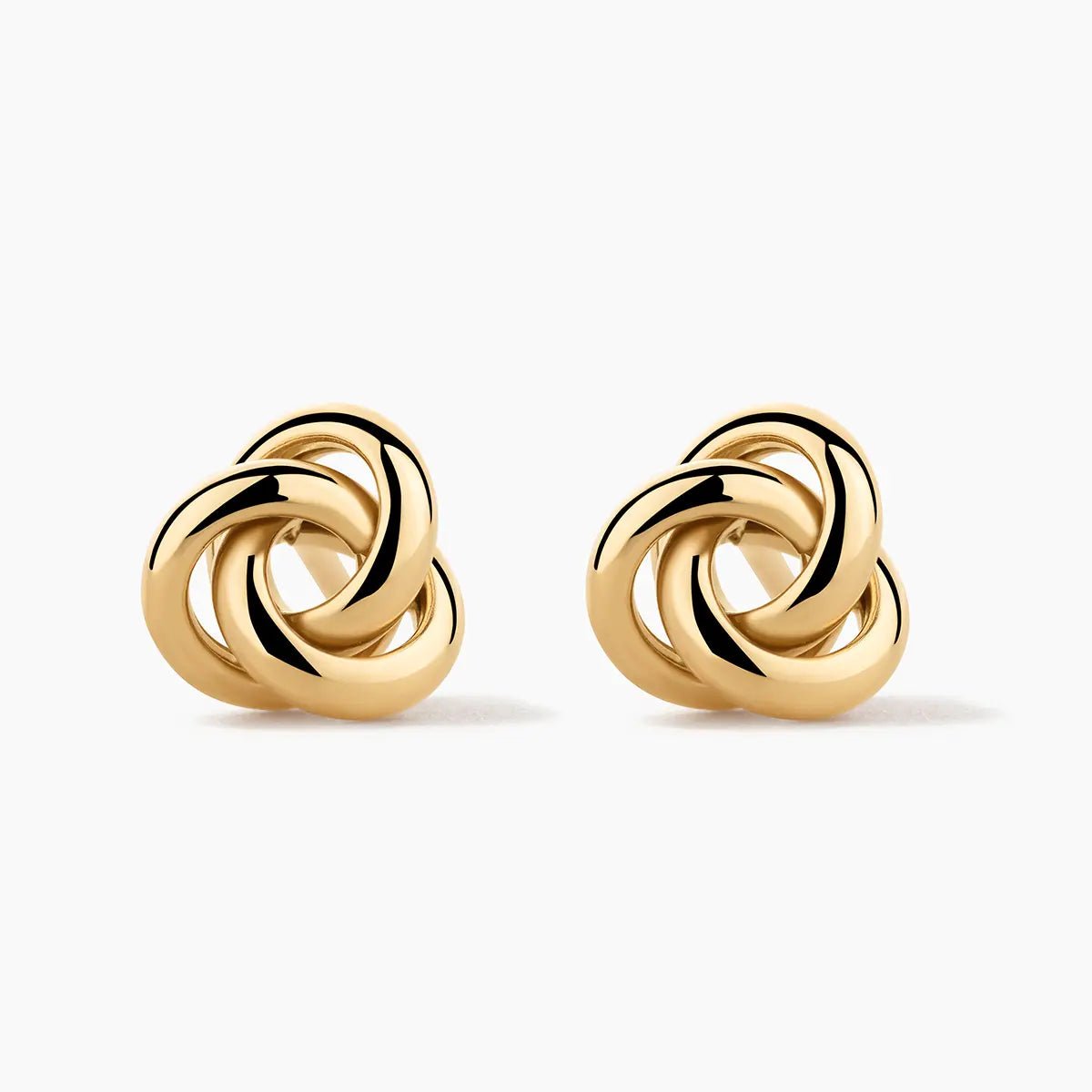
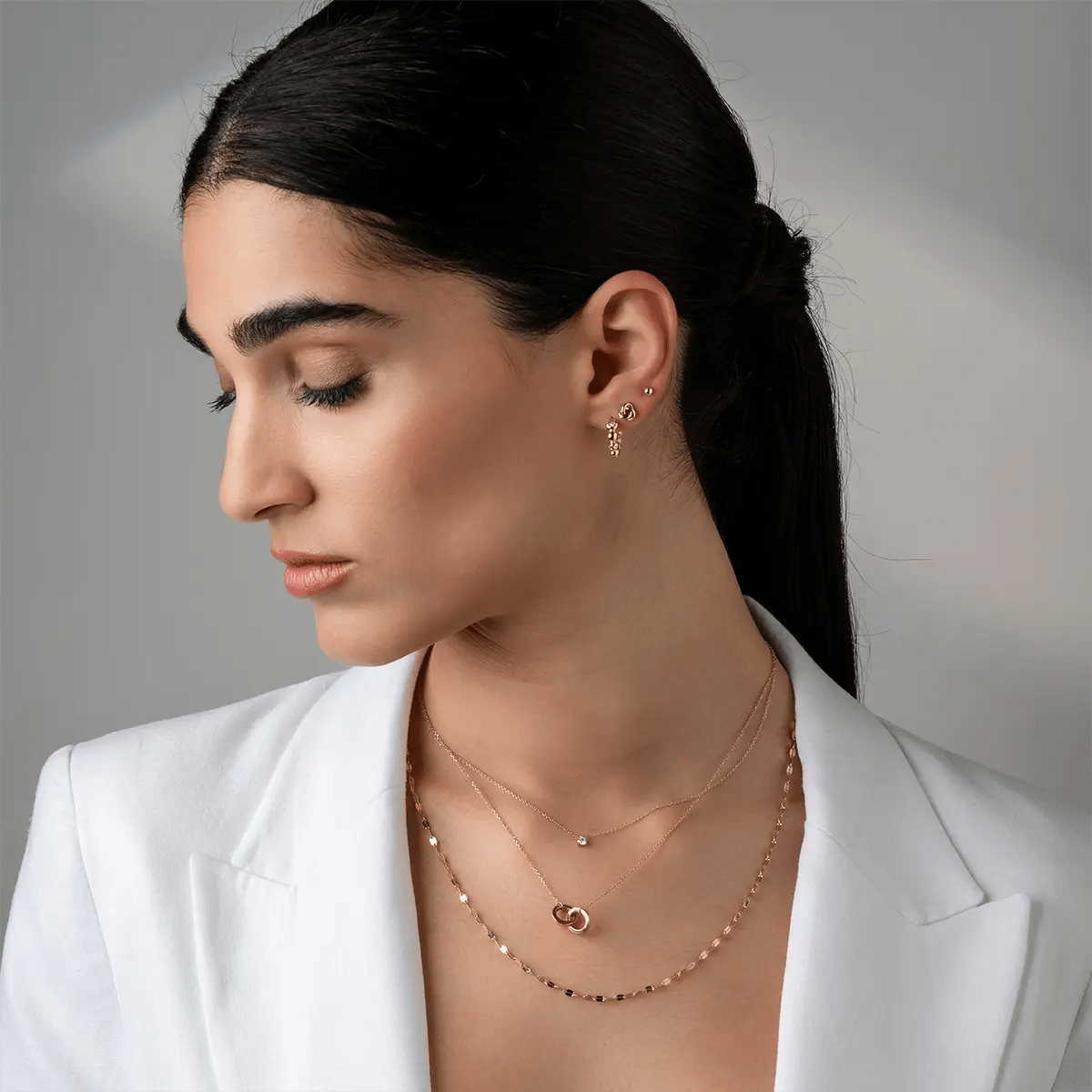
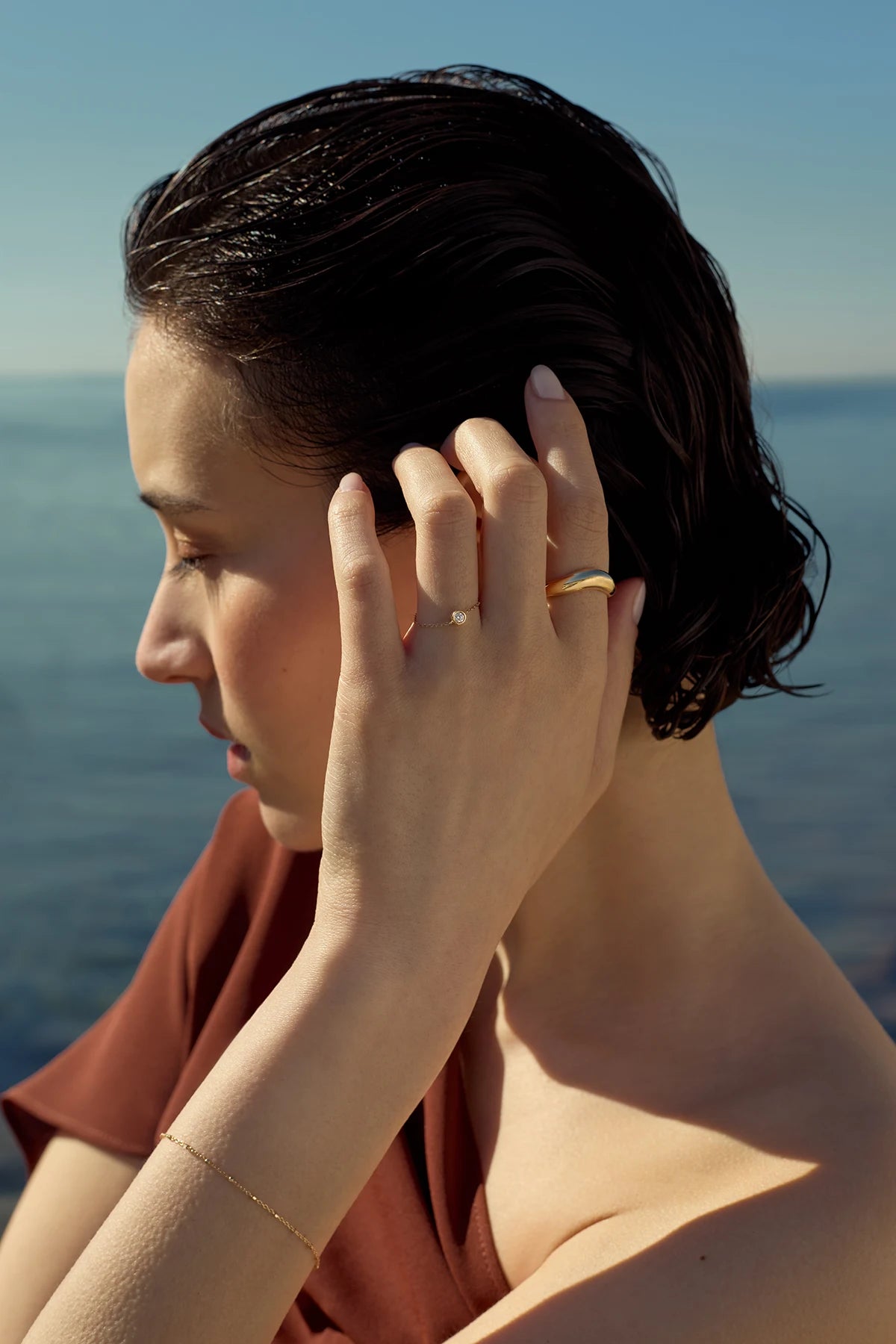
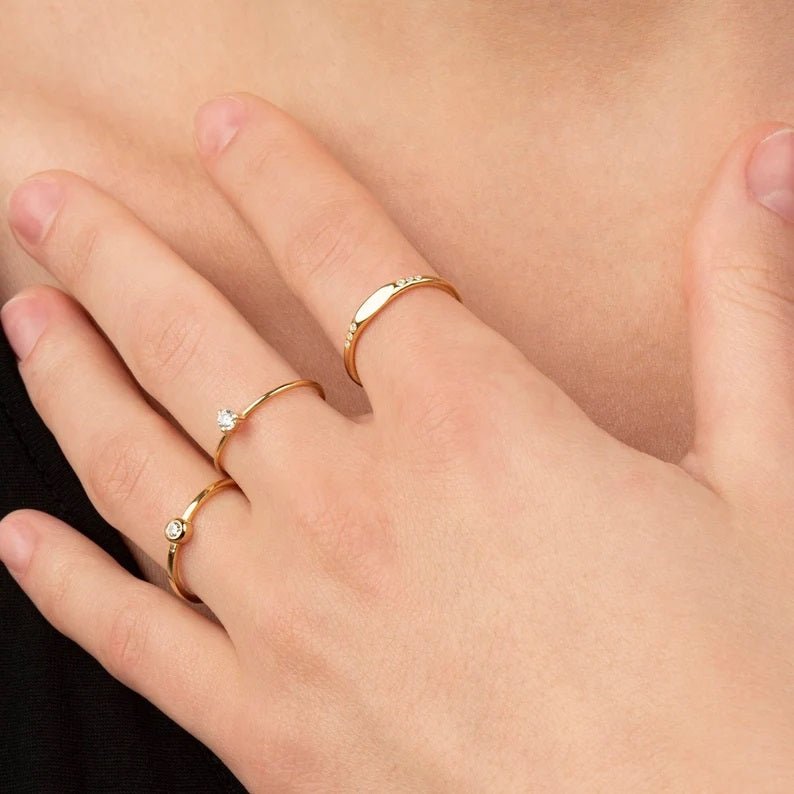
The same logic holds for diamond stud earrings, diamond bracelets, and earring stacks. When you are building a collection of everyday fine jewelry, pieces you layer and wear from morning to night, lab grown diamonds let you do that with stones that actually make a statement.
What About Diamonds as an Investment?
This is the one argument people make for natural diamonds: that they hold their value. And yes, natural stones do retain more resale value than lab grown ones. But I have to be honest with you. I do not believe jewelry is the right place to invest your money, especially jewelry you plan to wear every day.
The pieces we create at ENEA are meant to become part of you. A gold necklace that sits against your skin from morning to night. A ring that never leaves your hand. Earrings you forget you are wearing because they feel like they belong there. That is the whole philosophy of what we do. Our jewelry is designed to move with you, age with you, and become a small piece of your history. Treating a piece like that as a financial instrument misses the point entirely.
When someone tells me they want to invest in something that holds its value, I tell them the same thing every time: buy gold. Actual gold. Coins, bullion, whatever form makes sense to you. Gold has proven itself as a store of value for thousands of years. But a diamond ring that you wear to work, to the beach, to bed? That is not an investment. That is jewelry. And for jewelry, lab grown gives you more beauty for every dollar you spend.
When I Would Recommend a Natural Diamond
There is one situation where I understand the choice, and I respect it completely. Some people feel a deep, quiet pull toward the idea that their diamond was formed by the earth over billions of years. That connection is emotional, not rational, and I would never try to talk someone out of it. If the origin of the stone is part of what makes it meaningful to you, then a natural diamond is the right choice for you.
In those cases, I usually suggest natural diamonds in pieces where the stones are smaller, like station necklaces, delicate bands, or subtle accent settings, where the price difference between natural and lab grown is not dramatic. For larger center stones, the cost gap becomes too significant for me to recommend natural with a clear conscience.
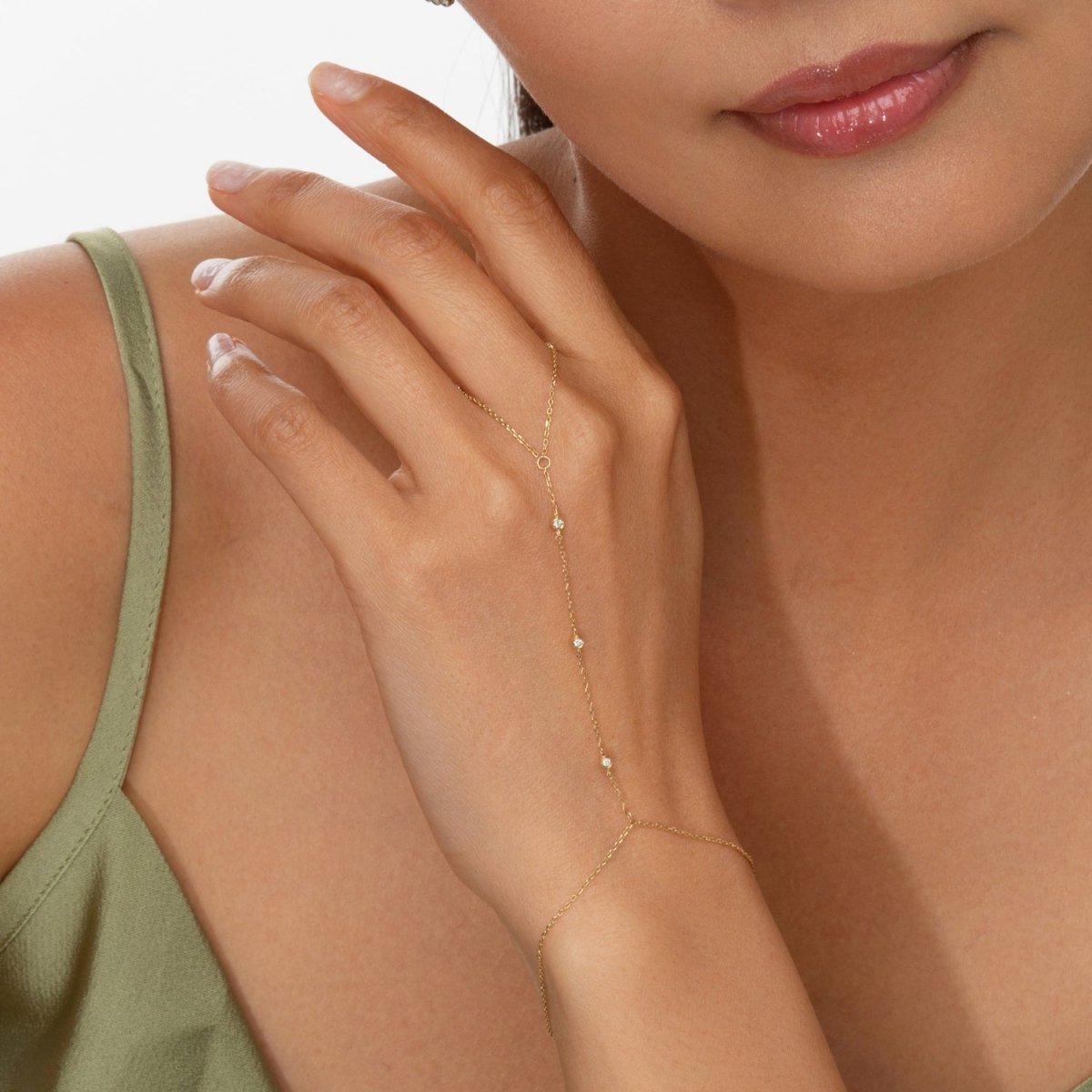
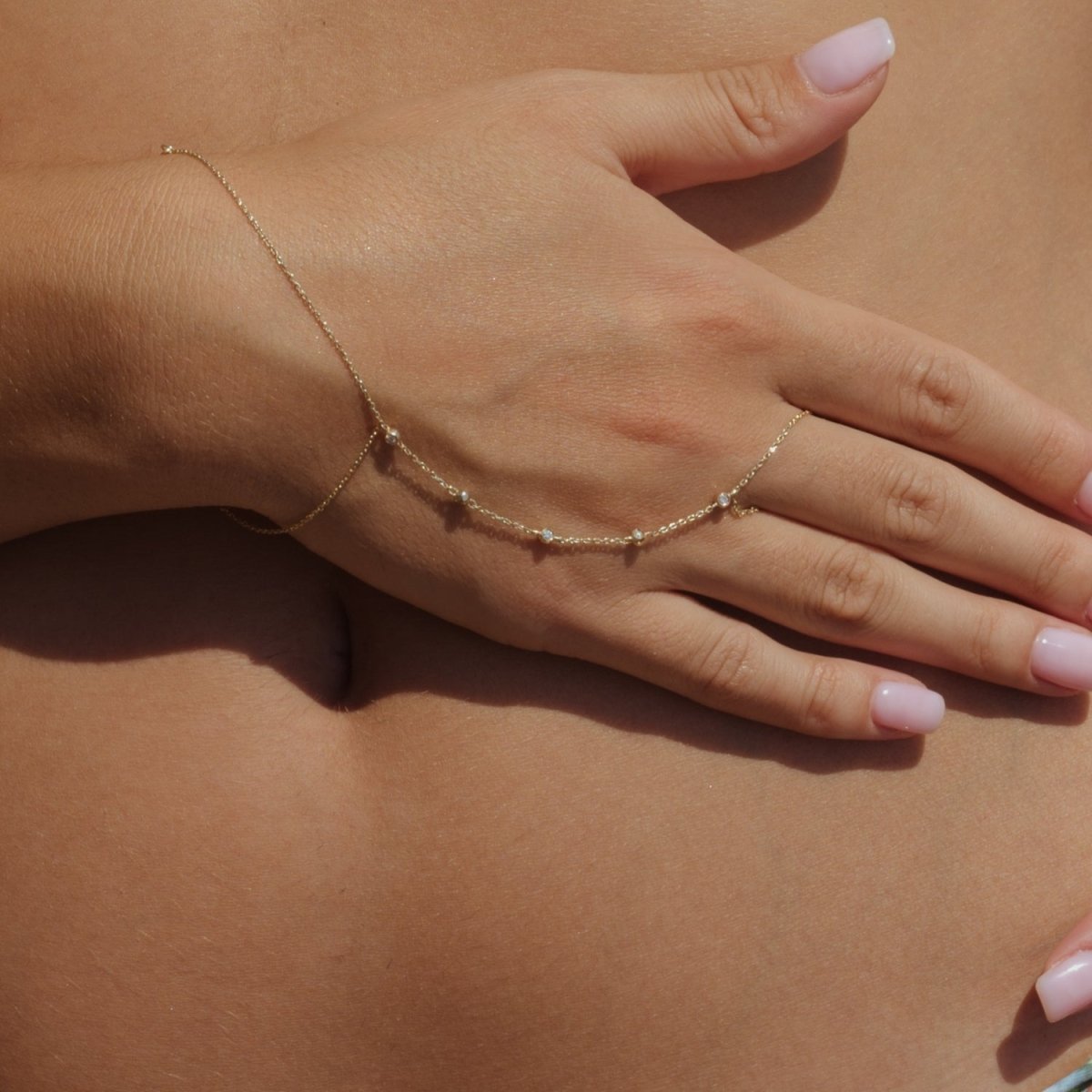
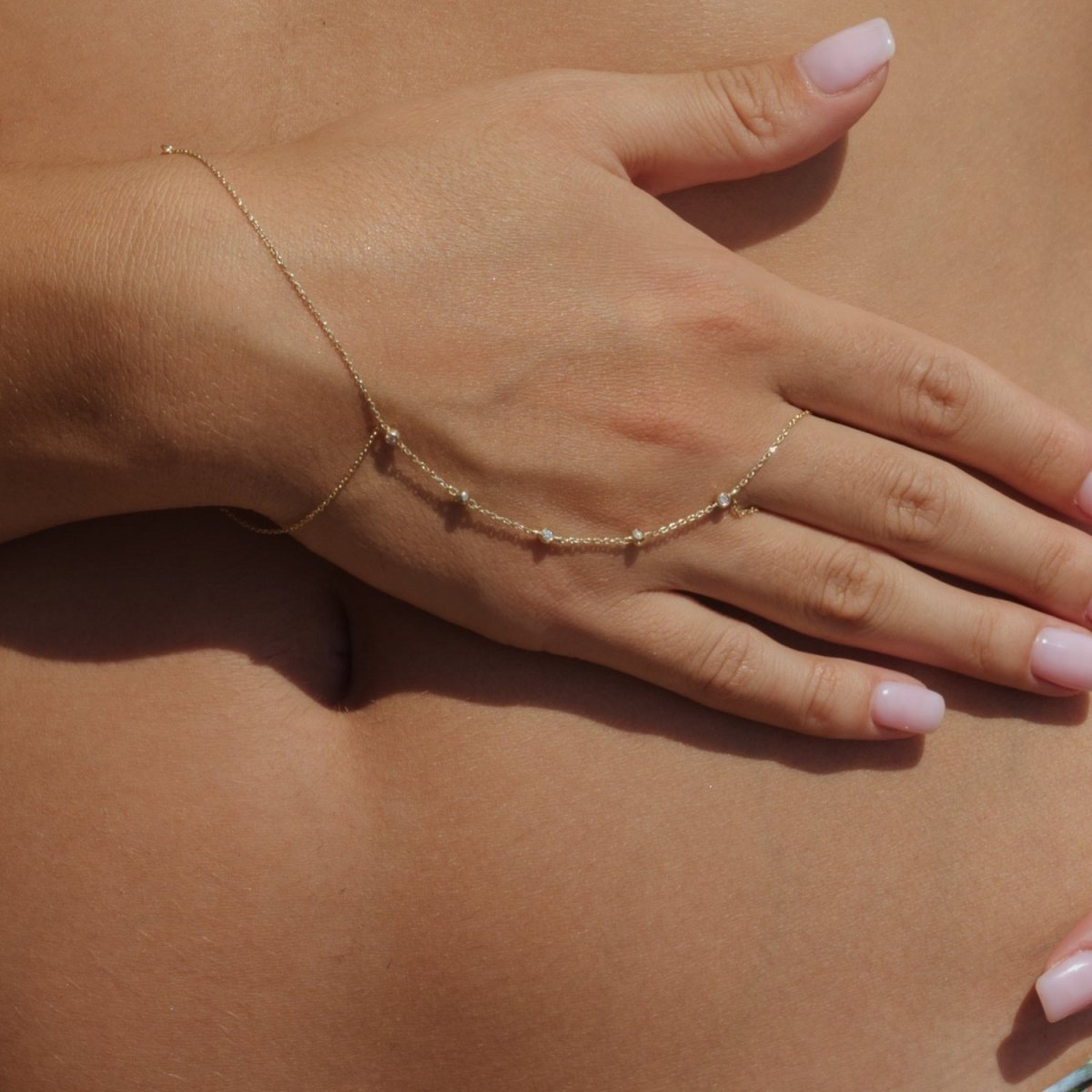
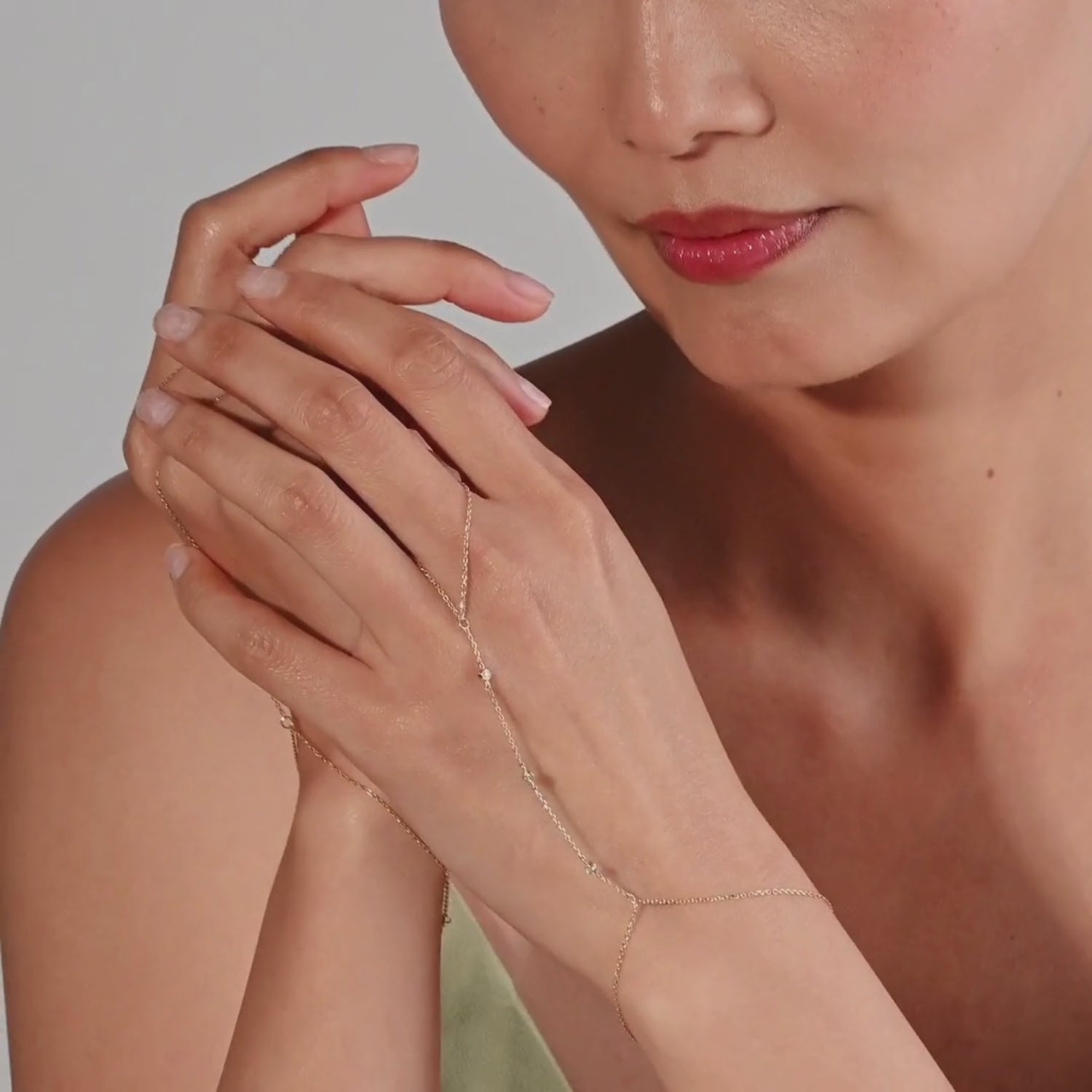
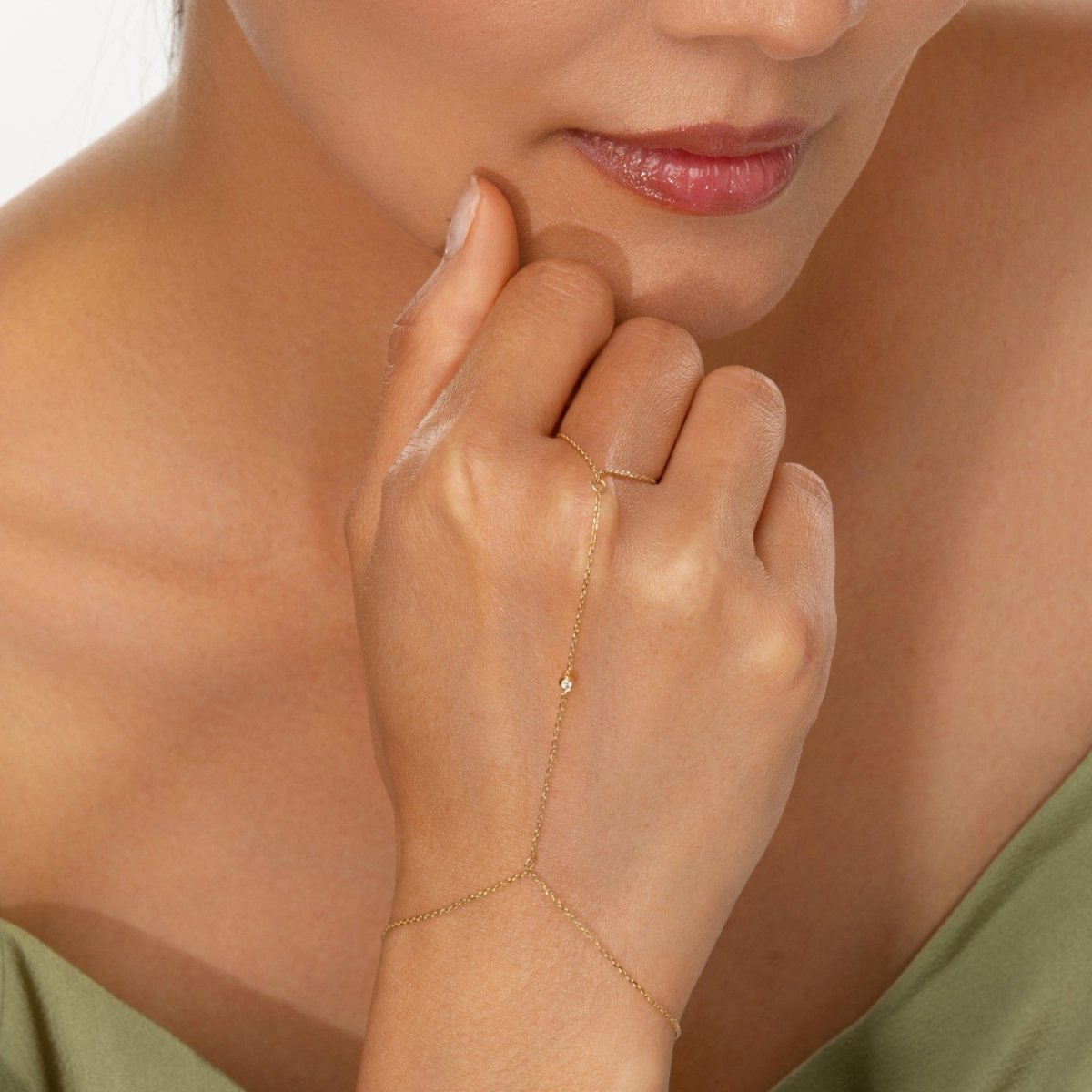
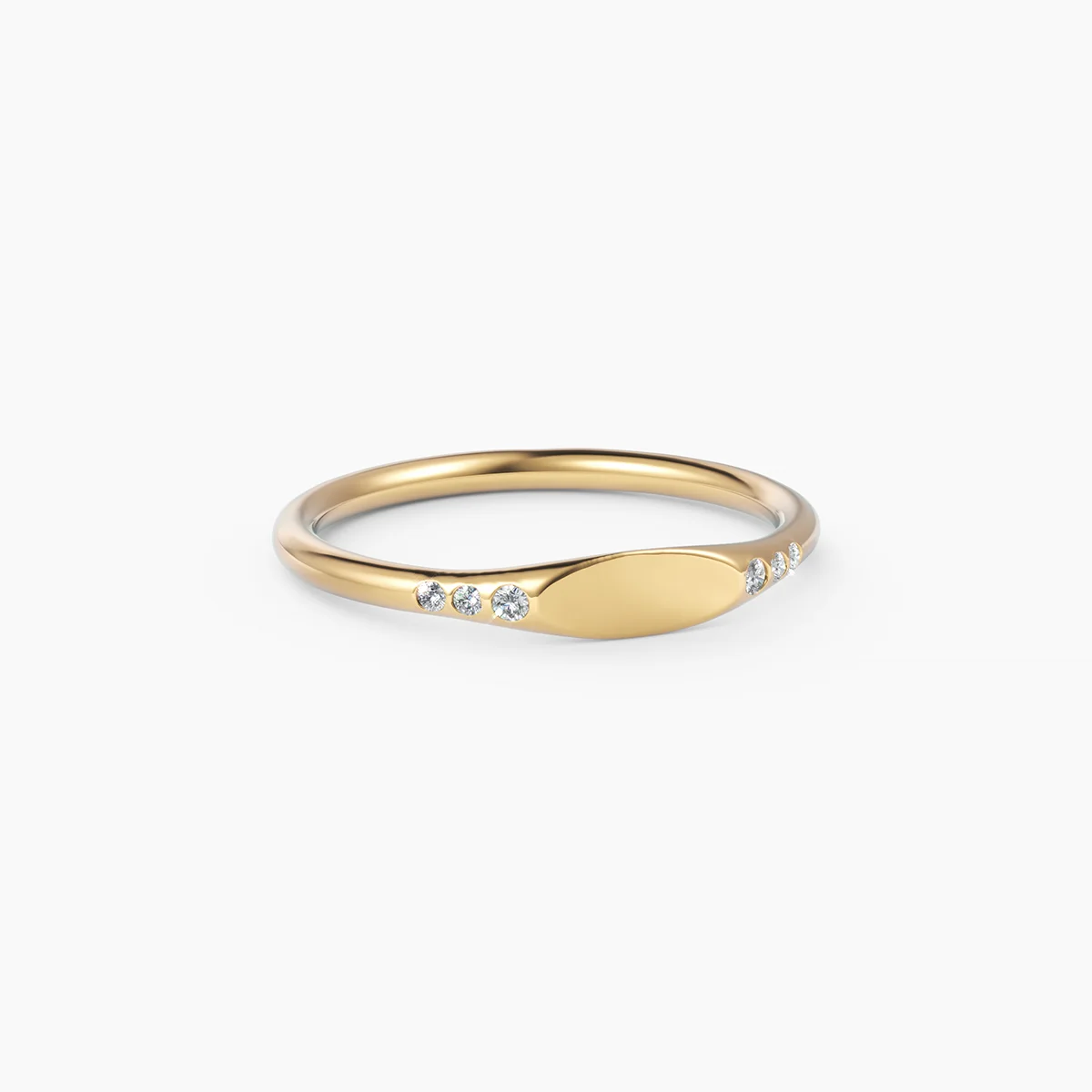
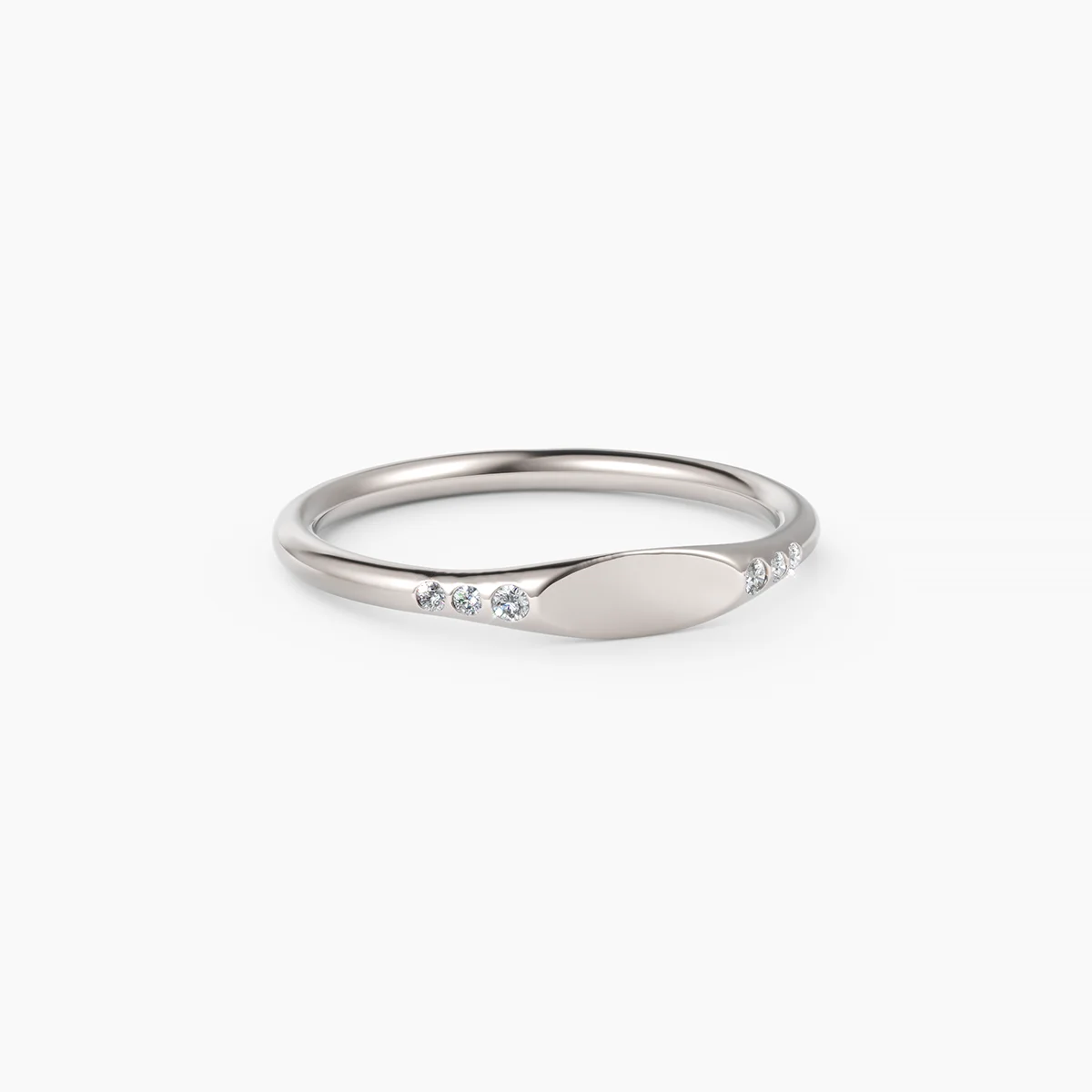
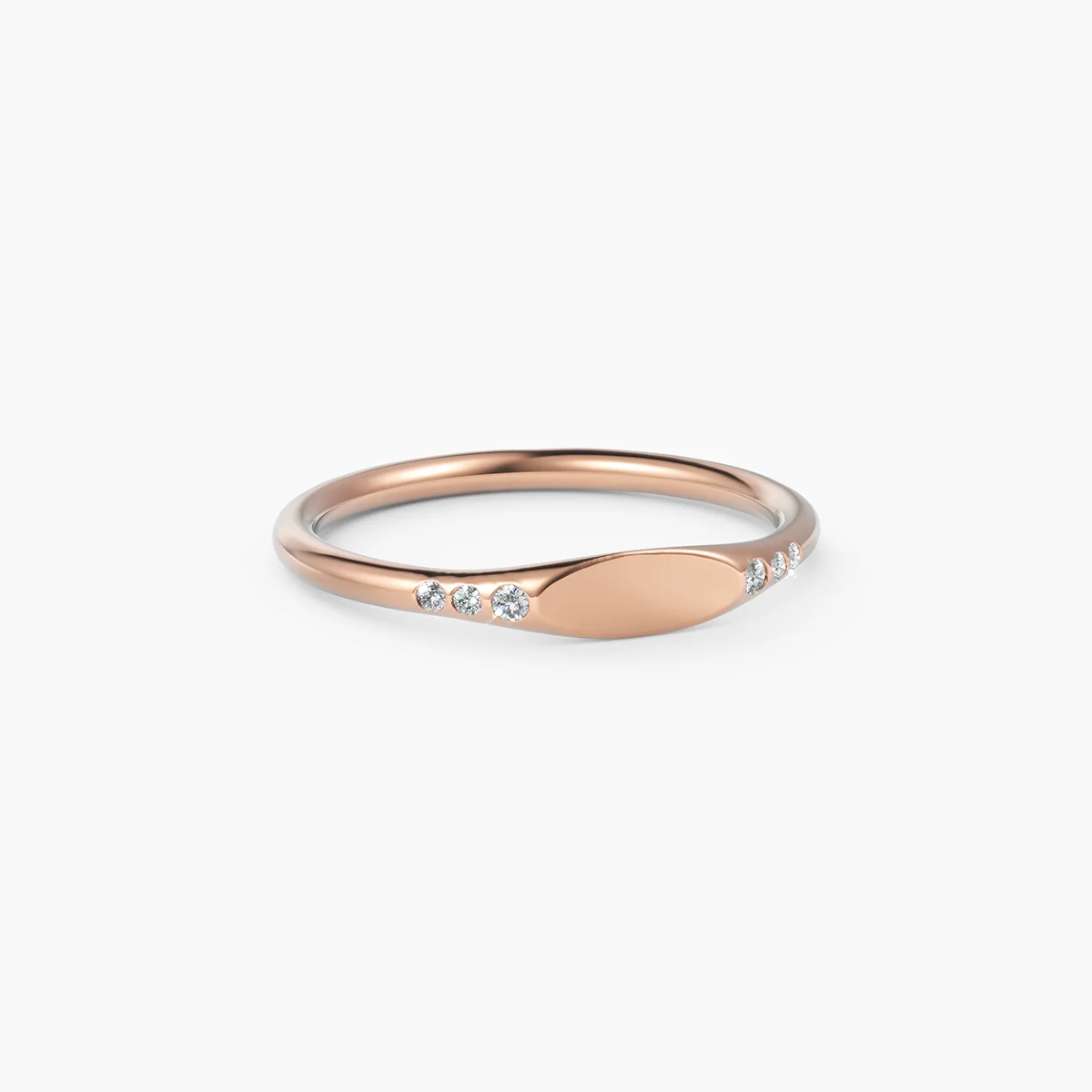
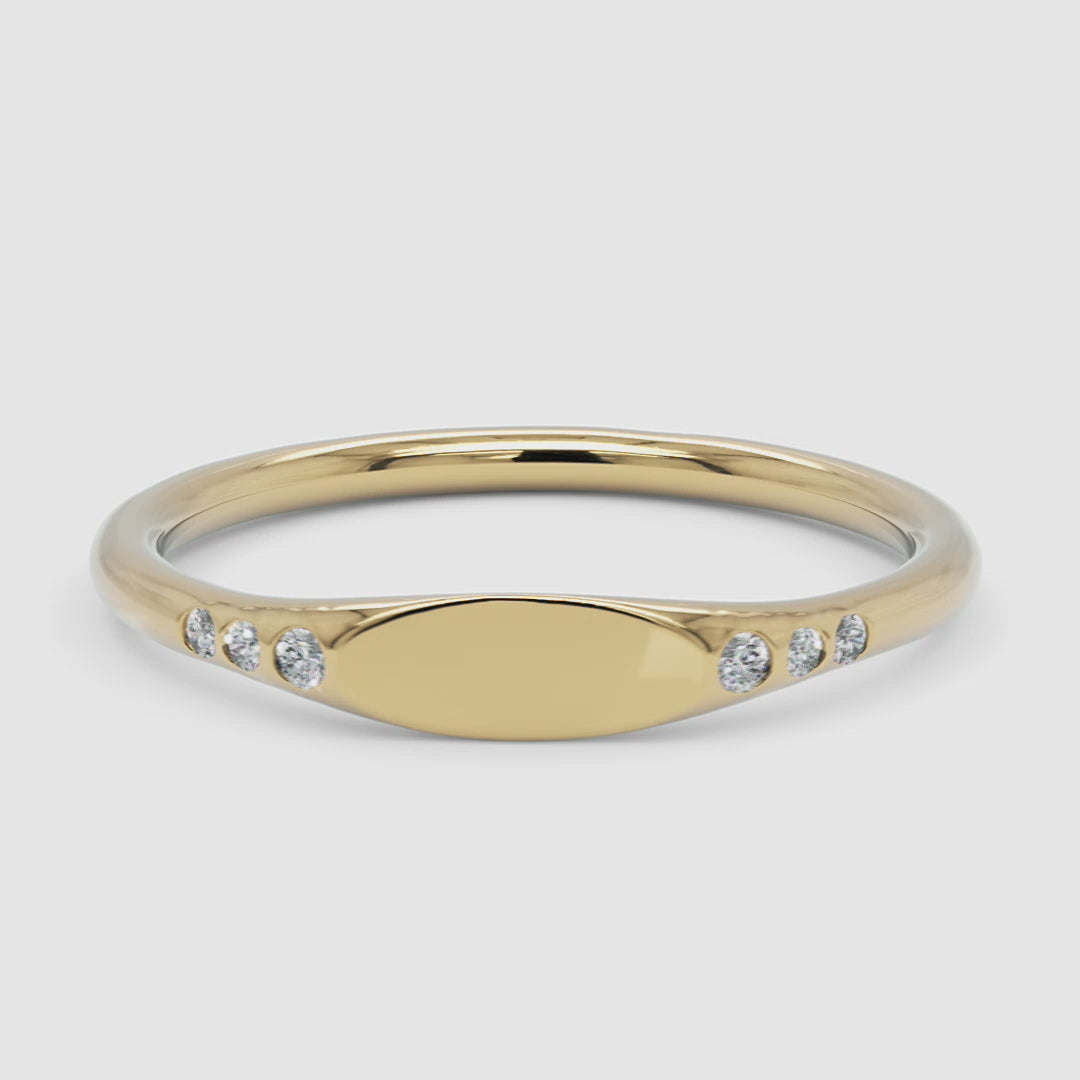
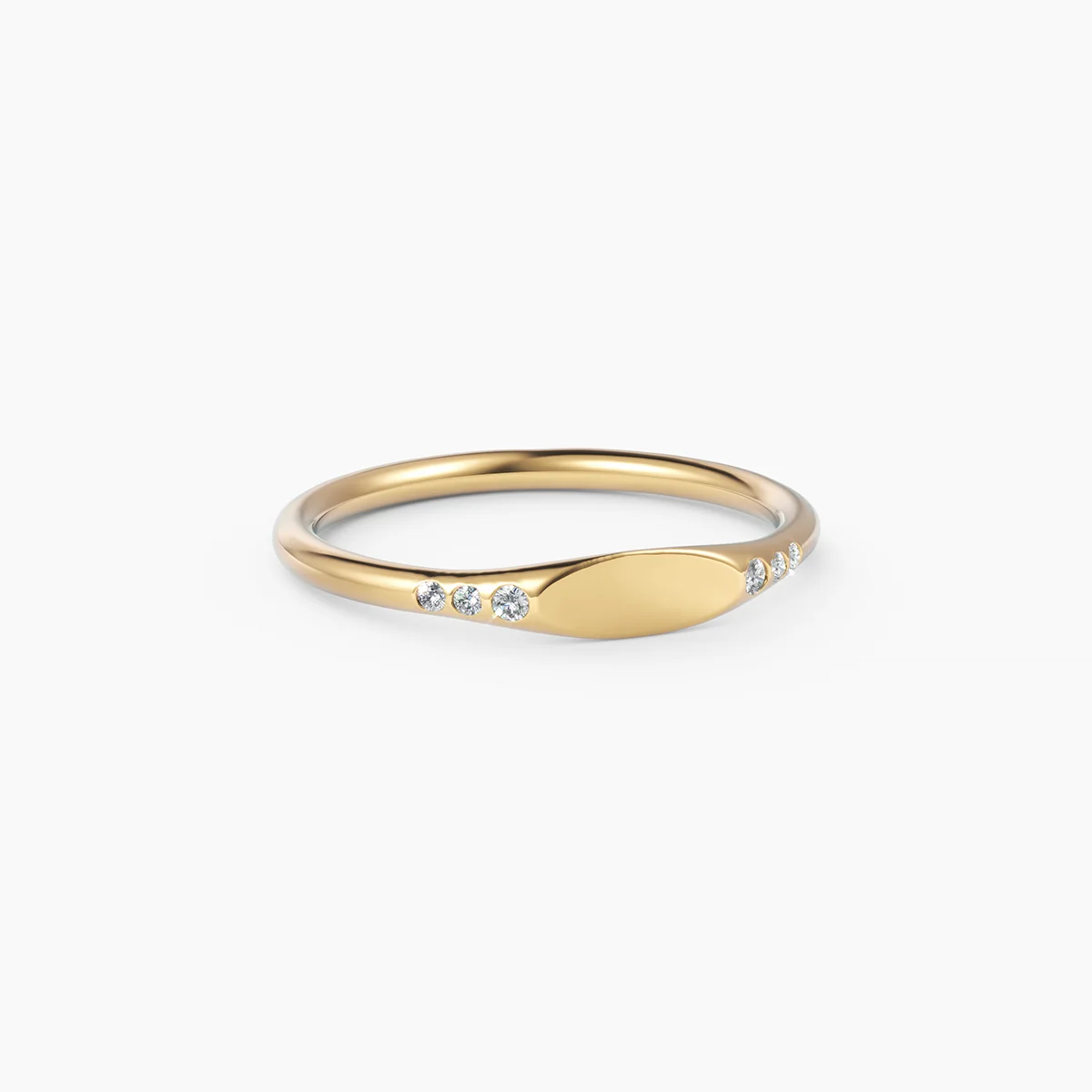
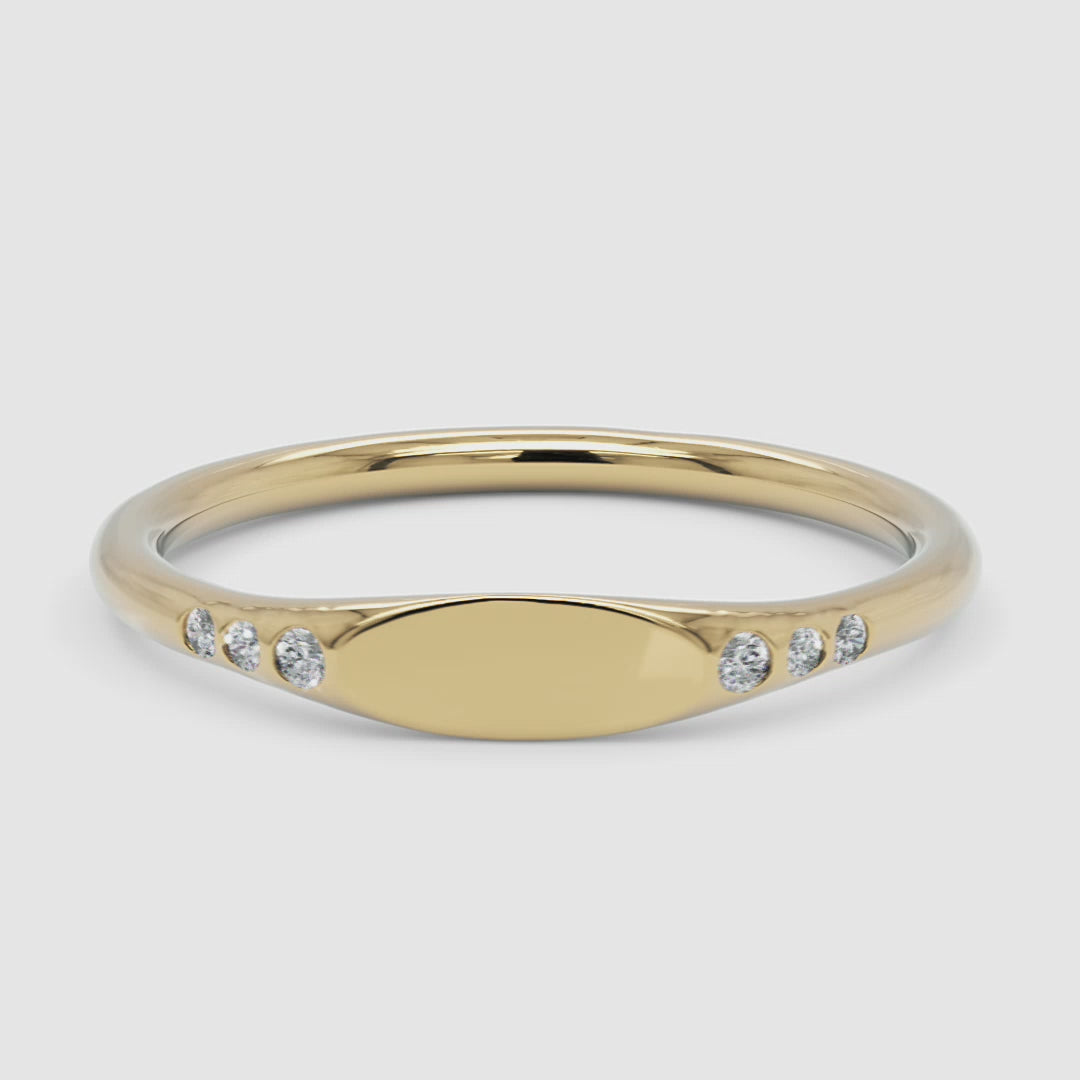
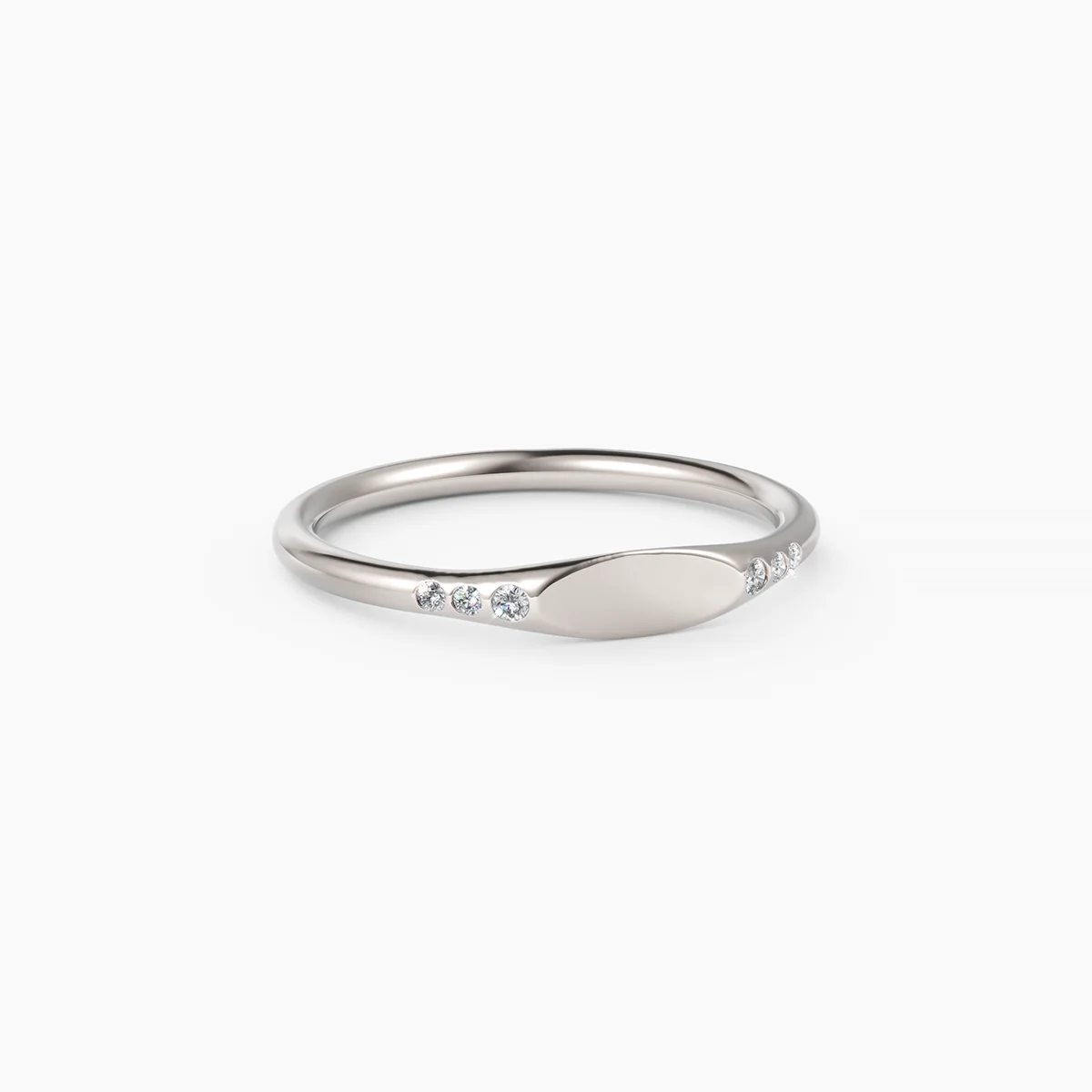
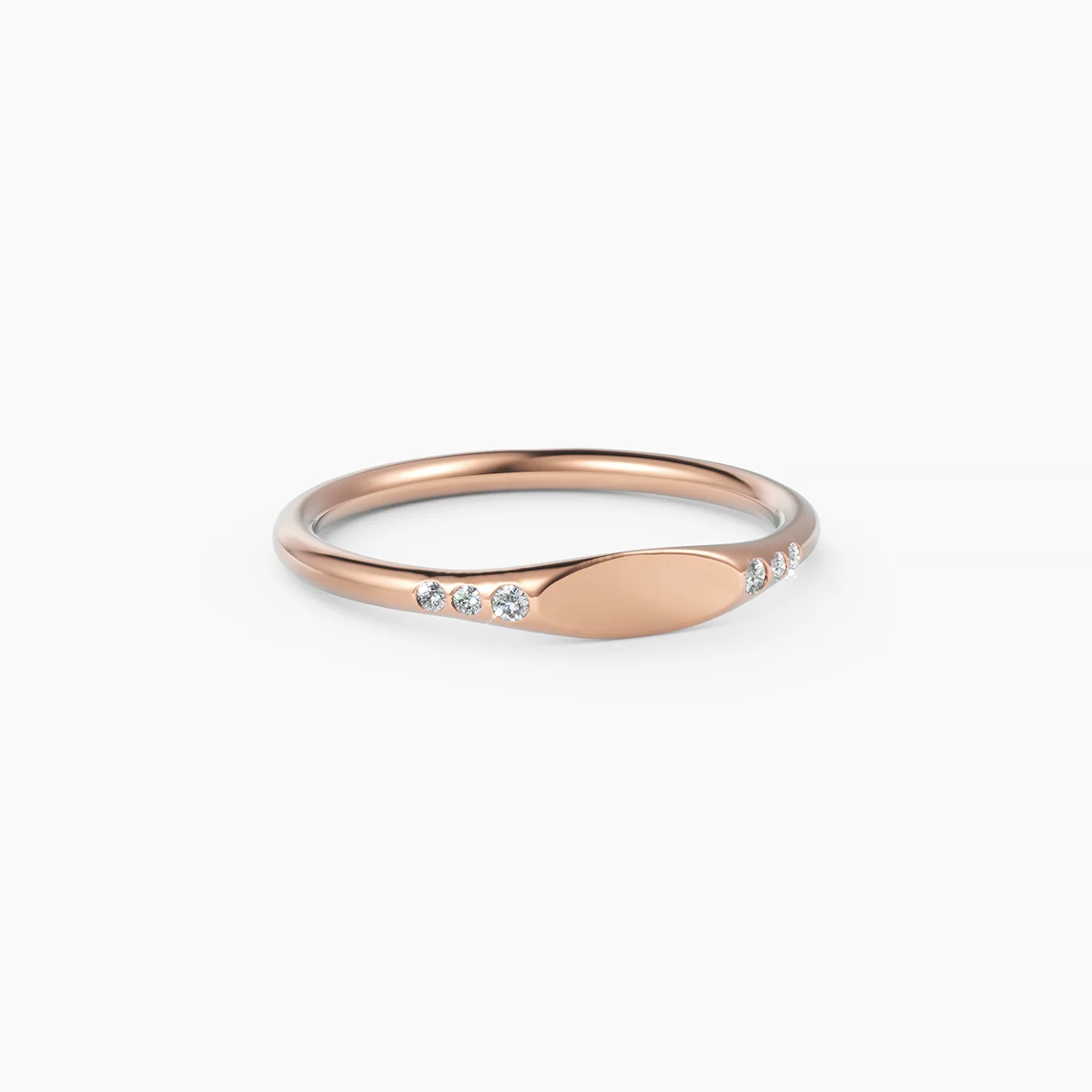
This is exactly why we give our customers the choice on many of our most popular pieces. The Alinea Tiny Diamond Necklace, the Bezel Set Diamond Bracelet, and the Half Studded Round Diamond Band are all available with either natural or lab grown diamonds. The 14k solid gold setting, the handcrafted construction, the quality of the finished piece: all of that stays the same. You simply choose the stone origin that feels right.
The Quiet Truth
After years of this conversation, hundreds of times over, my position is simple. For the vast majority of people looking for diamond jewelry, lab grown is the better choice. You get a chemically identical stone, often with better color and clarity, set in the same solid gold by the same hands in the same workshop, for a fraction of what a natural stone would cost. The environmental footprint is smaller. Nobody can tell the difference. And the money you save can go toward a larger stone, a second piece, or simply staying where it belongs.
Whatever you decide, what I care about most is the craftsmanship that holds the stone in place. A diamond, whether it grew underground or in a laboratory, is only as beautiful as the setting around it. And that is where 70 years of our family's goldsmithing makes all the difference.
Browse our lab grown diamond necklaces, lab grown diamond earrings, lab grown diamond rings, and lab grown diamond bracelets, or explore our full diamond jewelry collection to see both options side by side.