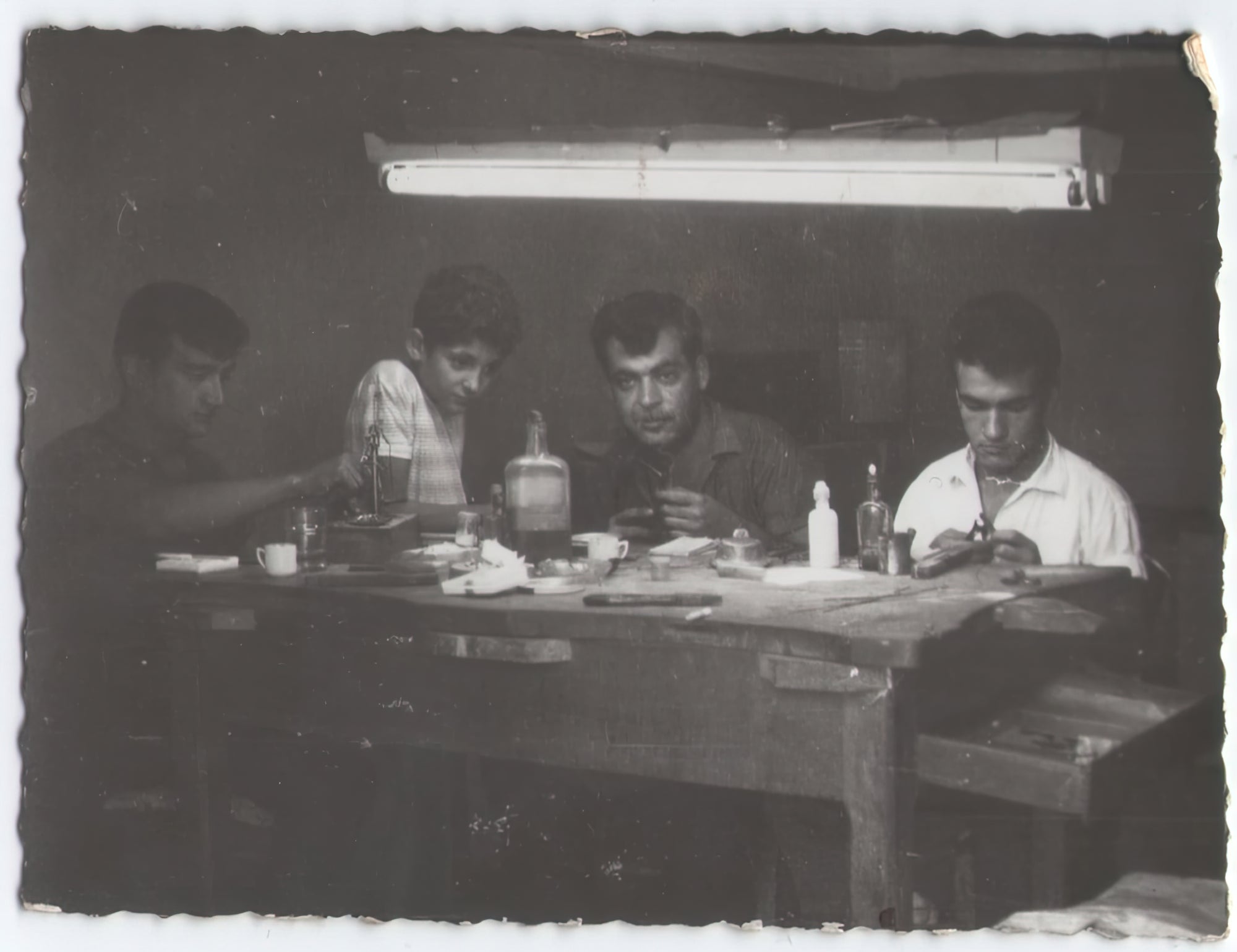
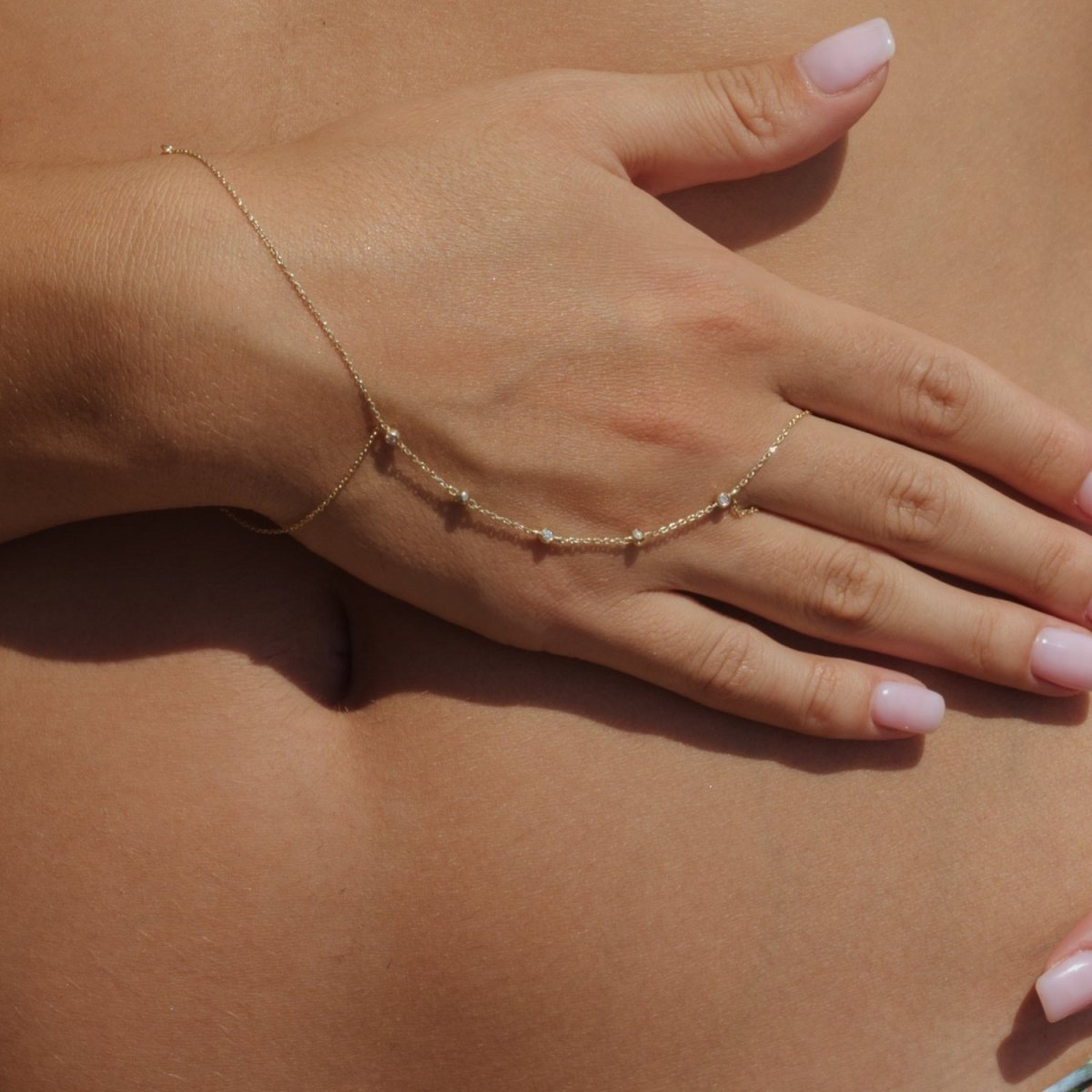


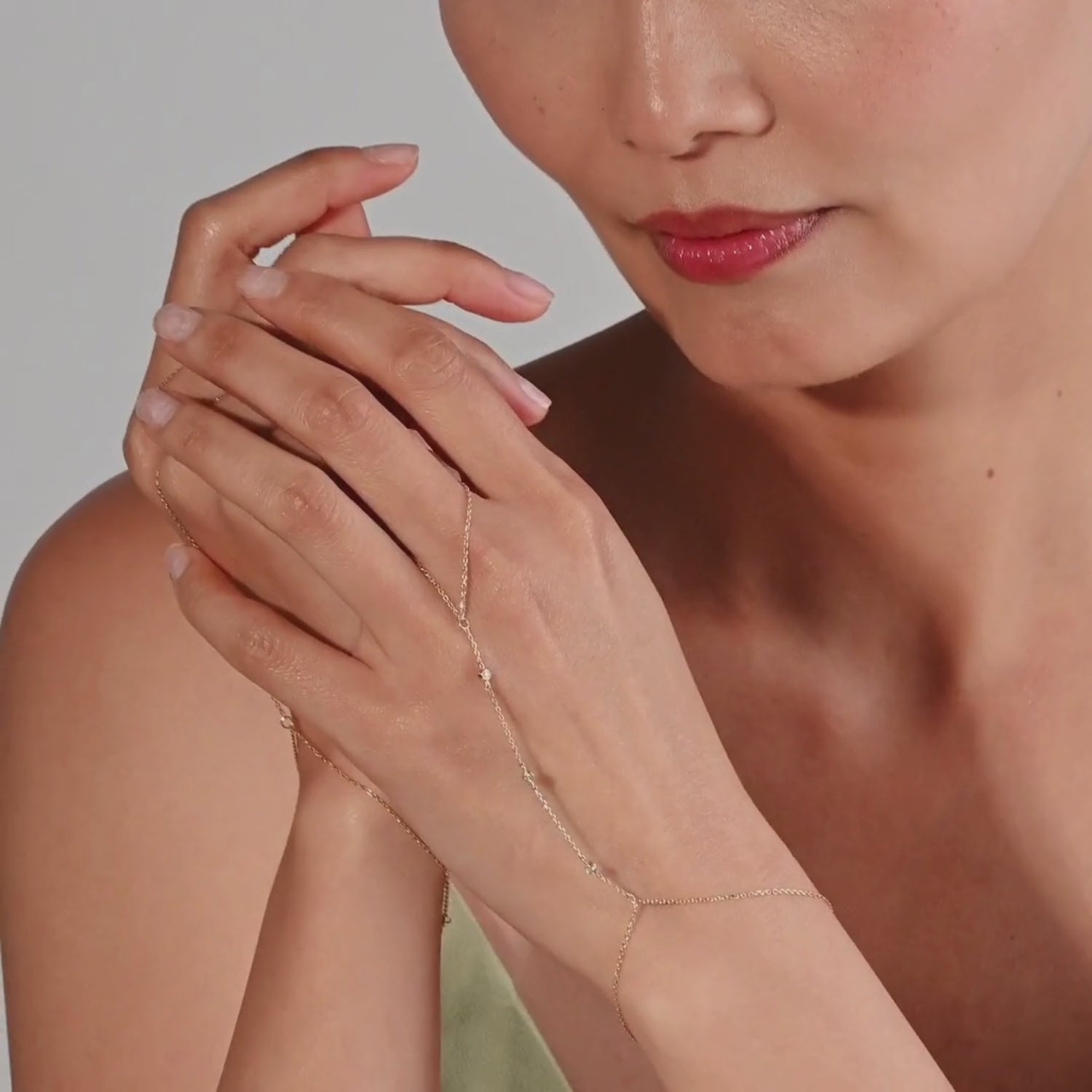
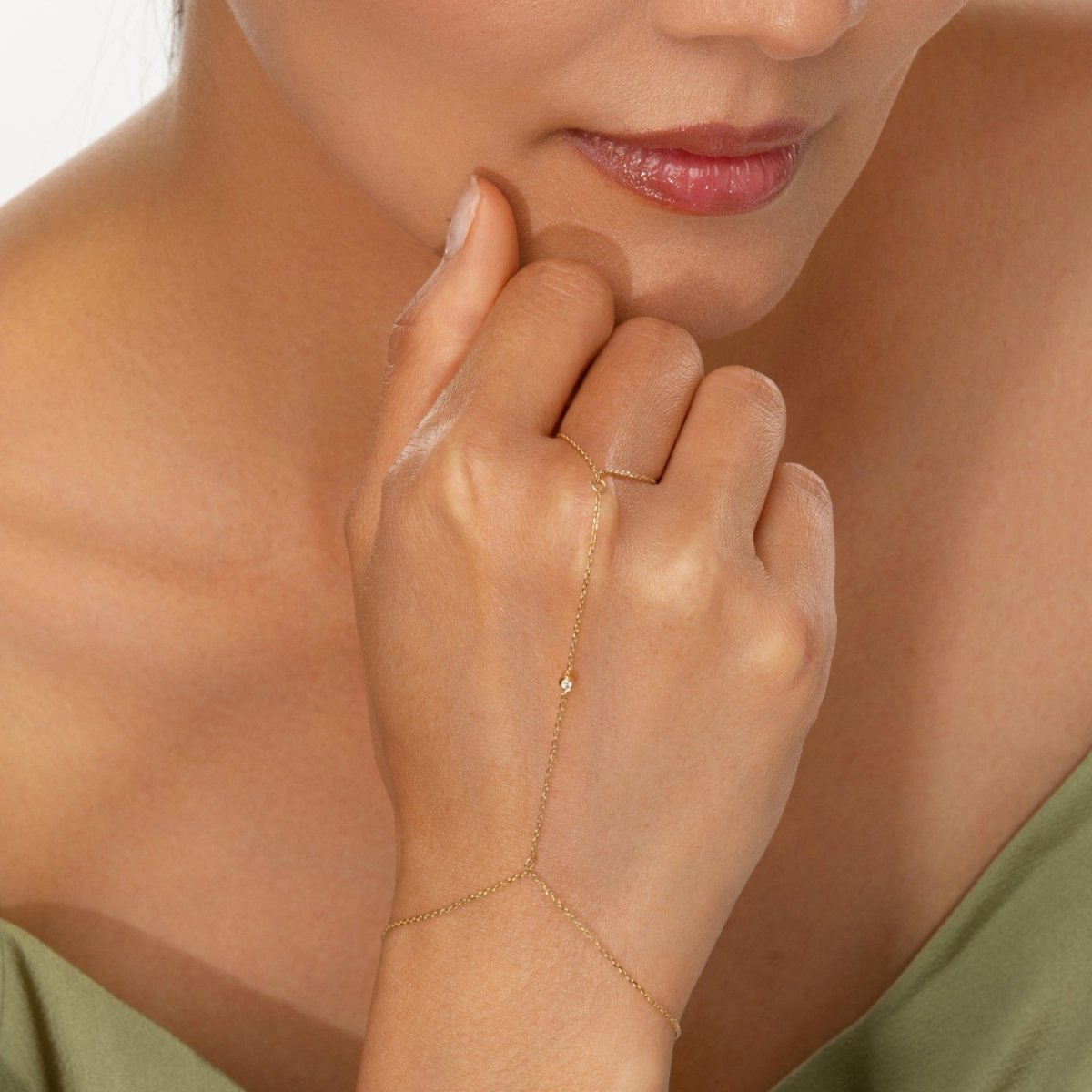















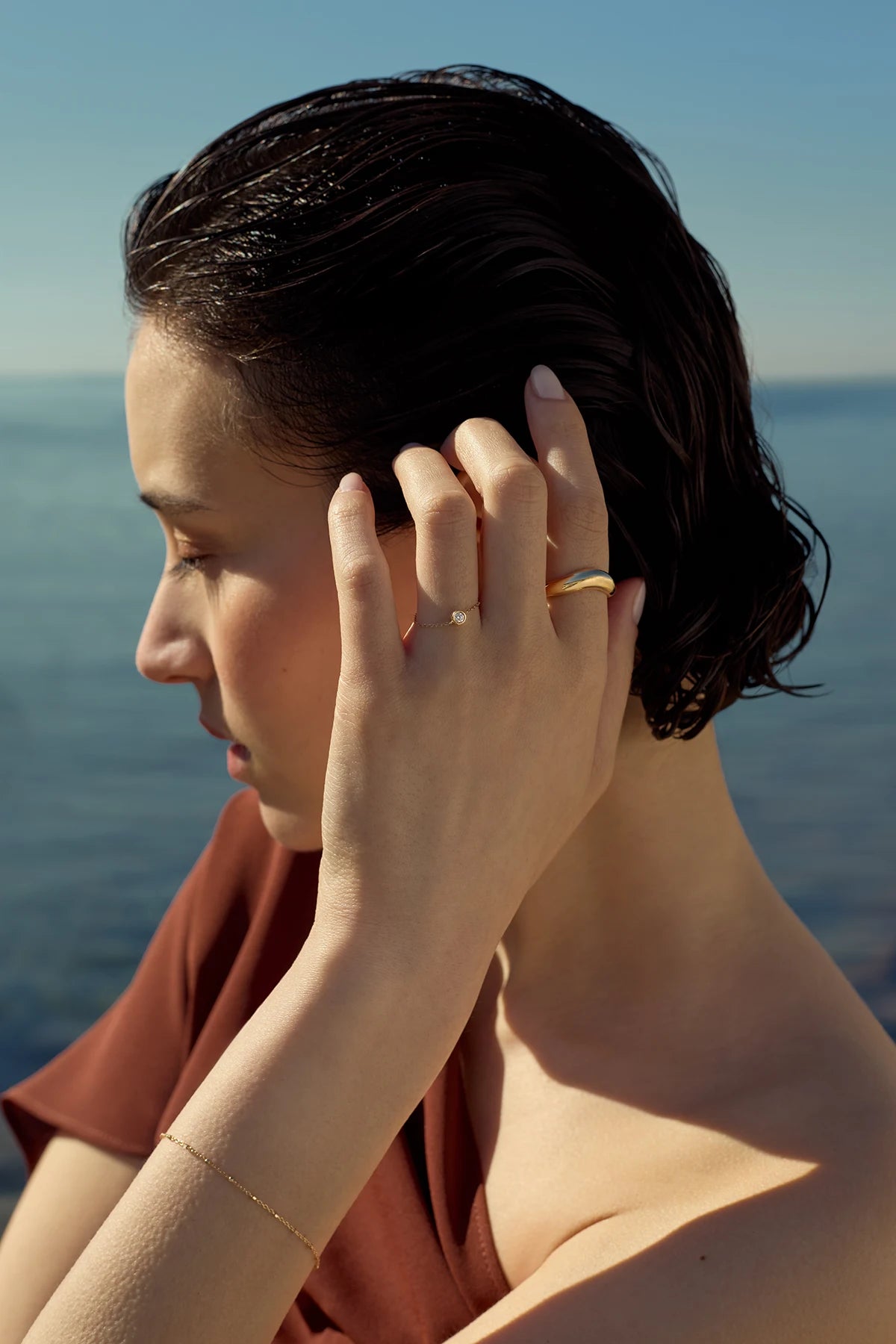

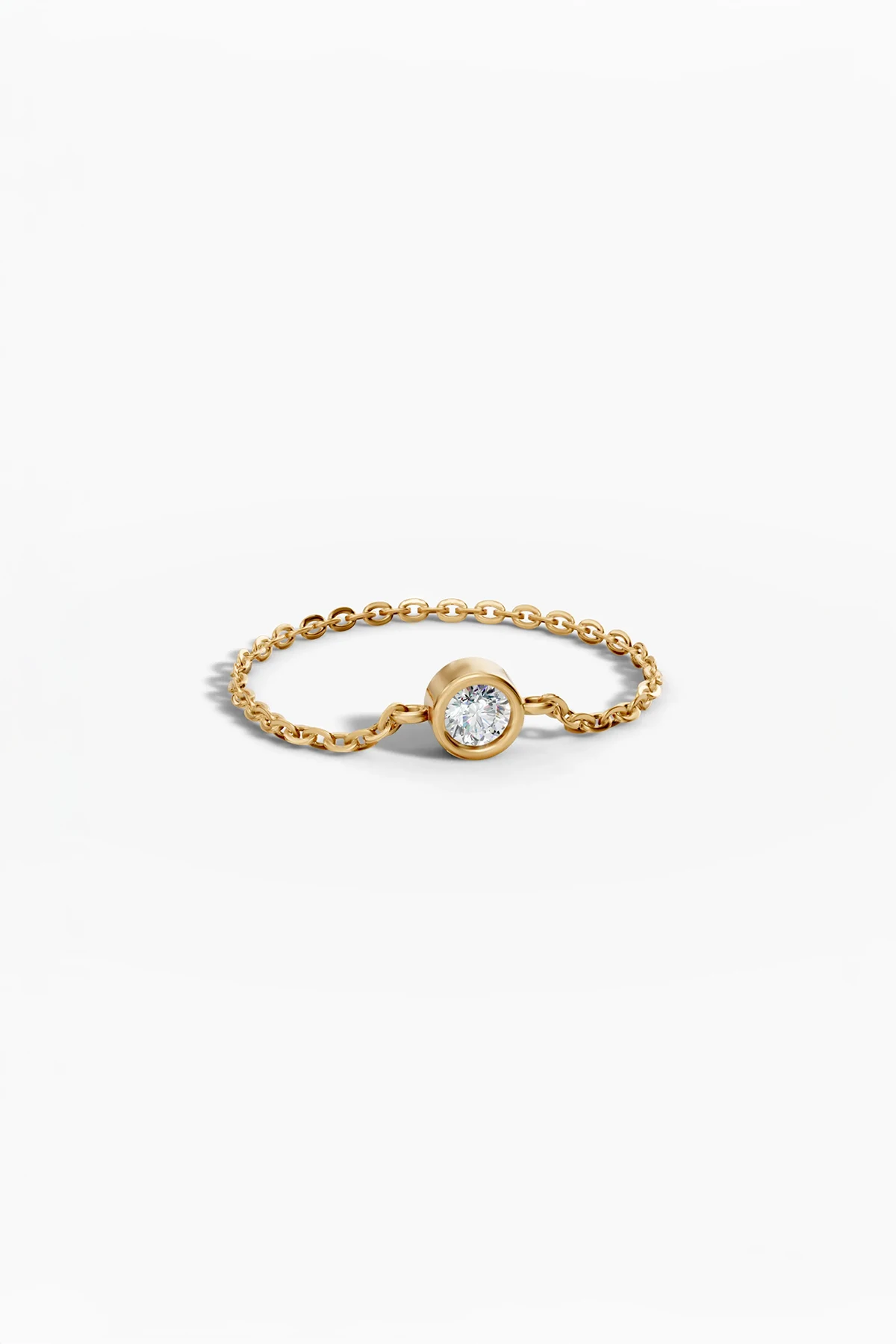
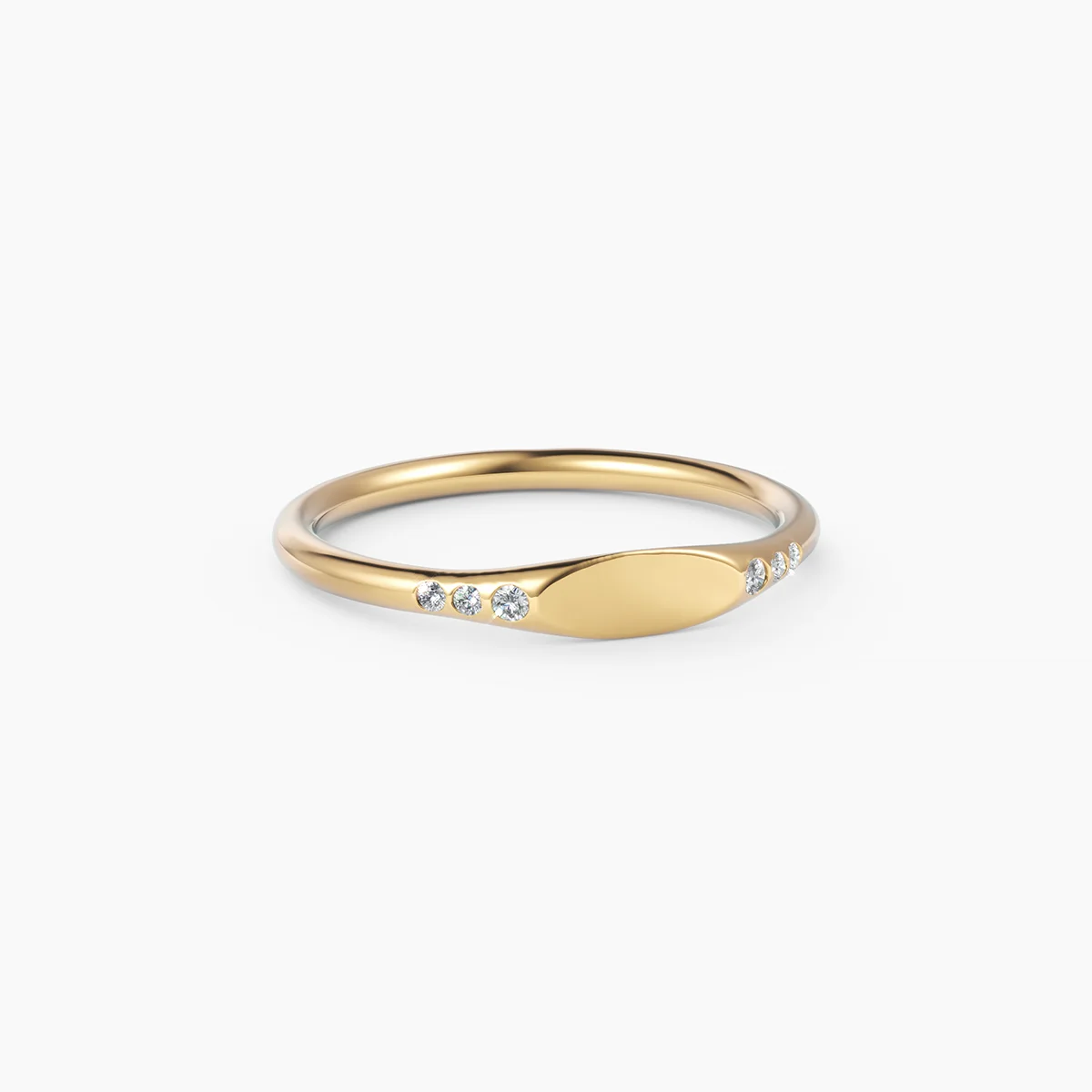
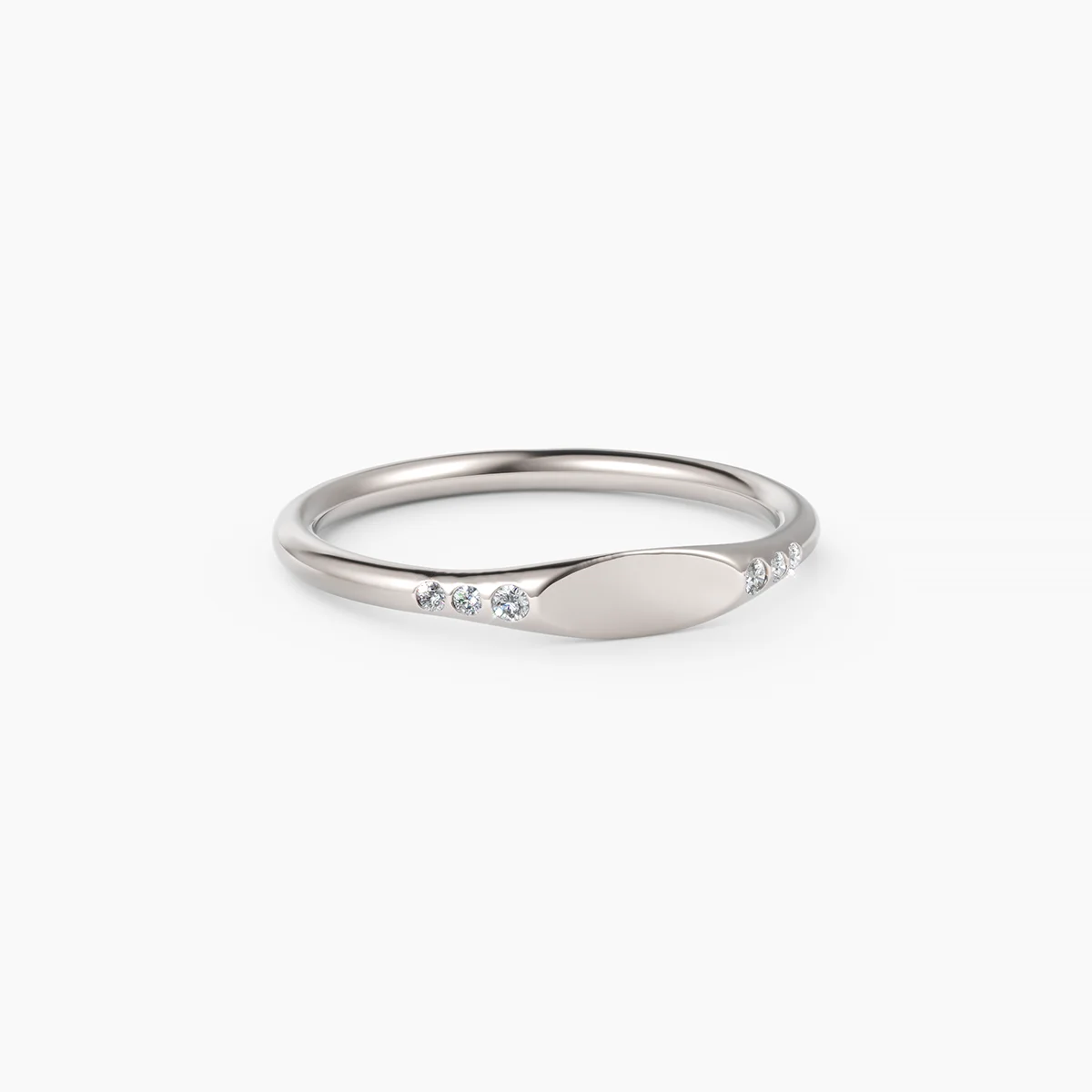


It is June in the Athens workshop, and the torch is lit. The bench holds its heat through the summer; the gold I am working takes the warmth and keeps it. Gold I know. I have drawn it into wire, soldered it, and set stones into it in the same room where my grandfather worked before me.
A pearl is another matter. I did not make it. No goldsmith did. It formed slowly inside a living shell, one fine layer at a time, while the gold for its clasp was still ore in the ground. This is the quiet paradox of a pearl necklace. The part that matters most is the part the jeweler never touched. So I do not begin with the gold. I begin with the pearl, where the real and the costume part company.
Luster
Hold a pearl to the light and turn it. What you are looking for is luster, and luster is not shine. It is depth. A fine pearl seems lit from within, its surface reflection sharp and yet soft, as though you could see a little way inside it. A poor one sits flat under the same light, chalky, the glow stopped at the skin.
That depth is nacre, the substance the mollusc lays down around an intruder, translucent layer over translucent layer, for months and sometimes years. Thick nacre gives the glow that appears to float beneath the surface. Thin nacre gives you a bead that has borrowed the shape of a pearl without its life. Two pearls can match in size, in roundness, in color, and differ in price several times over, and the whole of that difference is patience: how long the animal kept working.
Learn to see luster and a photograph stops fooling you. It is the one judgment that outranks any name on a label.
The four pearls worth knowing
There are four families of cultured pearl, and the language sold around them is heavier than the subject requires.
Freshwater pearls grow in mussels, in lakes and rivers, most of them in China today. They arrive in every size and a soft range of white, rose, and peach, and because they form without a bead at their core they are nacre through and through. They are the most honest value in pearls, and they are what we string for most of our pieces.
Akoya are the small, round, cool white saltwater pearls of the classic strand, rarely above nine millimetres, their luster bright and disciplined.
South Sea pearls are the large ones, ten millimetres and beyond, raised in big oysters off Australia and Indonesia, in white and a warm gold. They are the costly end of the field.
Tahitian pearls are naturally dark, moving through grey and green to a peacock sheen that resists description and defeats most cameras. Not black, whatever the marketing says. The good ones carry an overtone, a second color that lifts off the body as the pearl turns.
You do not need the rare ones to own something real. Within every family the distance between a tired pearl and a living one is luster, surface, and shape, never the family name.
Telling the real from the imitation
A photograph cannot settle this. The body can.
Draw the pearl lightly along the edge of a front tooth. Real nacre is faintly gritty, built from microscopic crystal, and you feel it. Glass and plastic are smooth. It is the oldest test in the trade and it has never stopped working.
Lift a strand cold from a table. A real pearl stays cool against the skin for a moment, then warms; an imitation is already at room temperature, because plastic holds no chill. Weight tells the rest. A glass faux has some heft. A plastic one feels like a bead from a craft drawer.
Look at the drill hole. On a true pearl the nacre at the rim is crisp, the layering sometimes visible; on a coated bead the surface is paint, and it chips or rises in a faint collar around the hole. Then look along the whole strand. Real pearls are siblings, not copies. Small differences of shape and marking are the proof of something that grew. A strand of flawless identical spheres is telling you, politely, that it came from a machine.
None of this needs a loupe or a laboratory. It needs half a minute and the willingness to handle the thing before you pay for it.
The gold is the part that fails
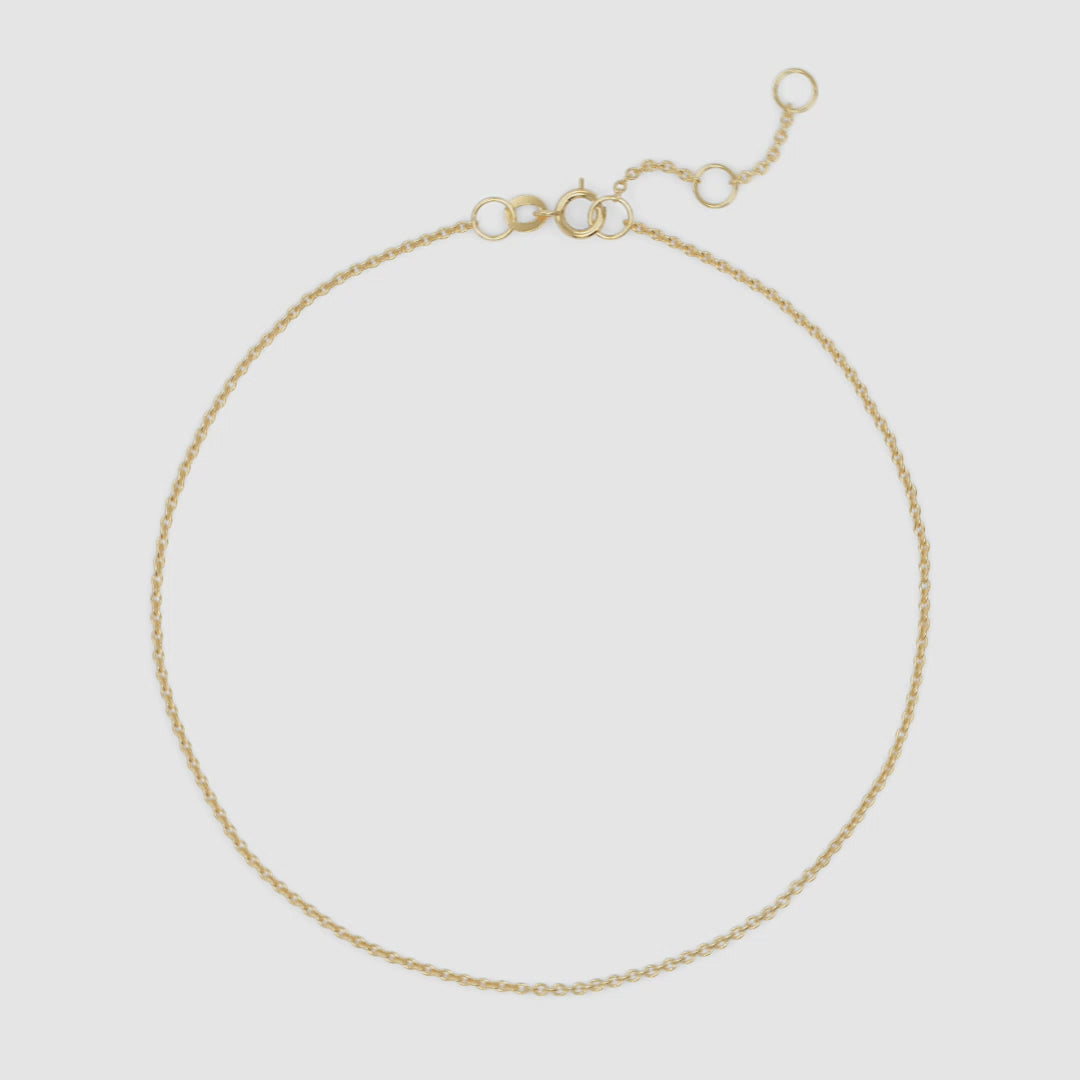
A pearl necklace gives way at its findings first. The clasp, the rings, the small cups and pins that cradle a drop, the chain of a station necklace: this is metal, and metal is where a piece tells the truth about itself. Good pearls finished with a plated brass clasp betray you within a year, the yellow worn through to raw metal, the spring gone slack, the necklace no longer willing to stay closed.
We cost more than the strand on a department store pad, and the reason is not the pearls. It is that everything touching them is solid gold, fourteen karat or ten, the same metal to the core. Cut our clasp and it is gold inside. Cut the plated one and it is brass beneath a thin skin. I know this not from a brochure but from the bench, where old plated pieces arrive for repair with the brass showing at every point the body has touched.
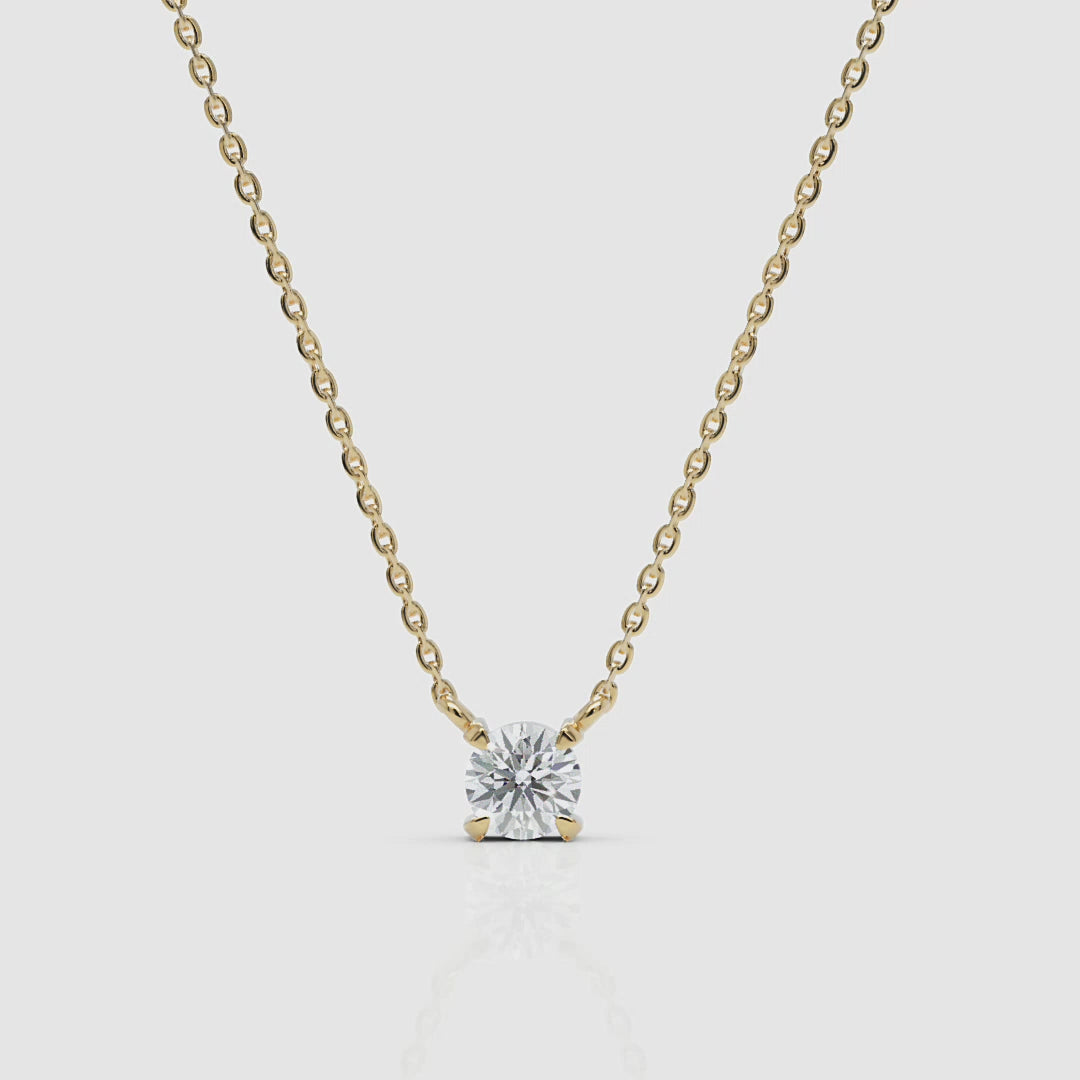
The lesson is plain. A modest pearl on solid gold outlasts a finer pearl on plated findings, because the metal is where the failure lives. Choose the pearl you can carry, and refuse to compromise on what holds it. The same gold runs through every piece in our pearl jewelry, the gold we use on our diamond work.
It is also why we string freshwater pearls rather than the rare saltwater kind. A woman who means to wear a piece, daily, for decades, is better served by solid gold and a living freshwater pearl than by a thin mount carrying a famous pearl she keeps in a safe. We build for wearing.
Length, and where a strand should fall
The error I see most often, on every kind of necklace, is length. A customer chooses eighteen inches because it looks right in a flat photograph, and the strand then lands in the wrong place on her, and lives in a drawer.
Pearls forgive this less than a fine chain, because a strand has presence, and its position is the whole of the effect. Fourteen to sixteen inches sits high on the throat and reads modern, severe in the way that flatters. Seventeen to eighteen, the old princess length, falls just below the collarbone and lives with almost any neckline. Past twenty inches a strand begins to drape and layer, which is its own pleasure when intended and a disappointment when you wanted the pearls at the throat.
The method is older than any of us: a length of string or a soft tape held against your own collarbone at a mirror, to see where the pearl would fall on you and not on a model. Gold lasts forever; it earns the word only if the piece fits well enough that you reach for it.
When the drape is the point, a pearl lariat or a lariat drop gives a line you set yourself, and a pearl wrap turns one long strand into a choker or a doubled layer as the morning asks.
Knotted by hand, restrung for life
A strand is knotted by hand, a small knot of silk seated between each pearl. This is not ornament. The knot keeps pearl from grinding against pearl and wearing away its own nacre, and should the thread ever part, you lose a single pearl to the floor rather than fifty. A well knotted strand moves better too, each pearl swinging on its own, the fall even and soft.
Hand knotting is slow, unshowy work that announces itself nowhere in a listing. You meet it years later, in a strand still hanging true, nothing thinned at the holes.
Silk, in time, stretches and dulls with skin and oil, which is why a pearl necklace is meant to be restrung now and then, the way a good watch is serviced. Here the promise matters most. We repair and restring every piece we make, without end. Send a strand back in fifteen years, the silk gone soft and the clasp tired, and it returns to you on fresh thread. My grandfather worked this way, my father worked this way, and my brother Dimitris and I work this way now. A piece worth making is worth keeping alive.
What a fair price means
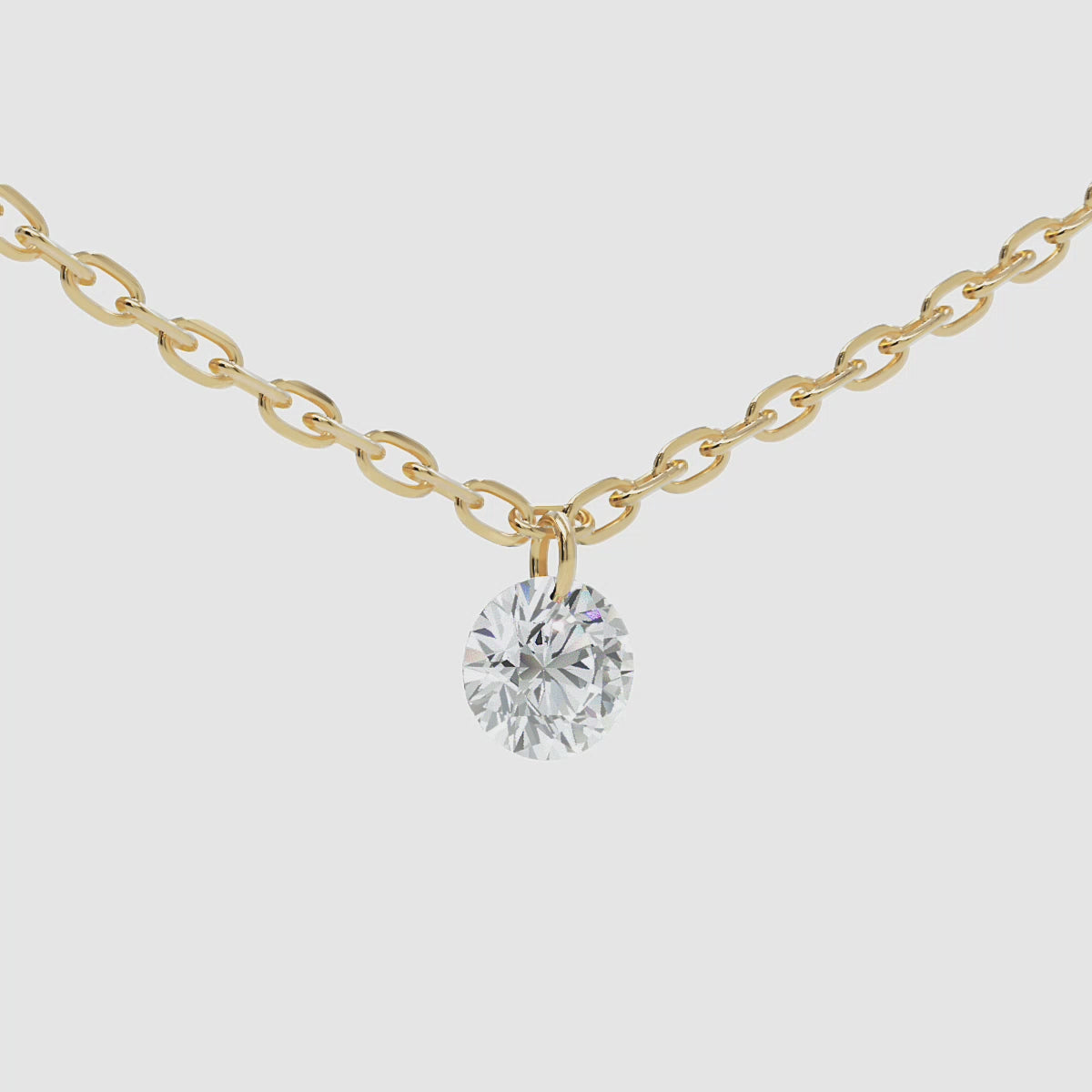
A cultured freshwater pearl on solid gold is neither a costume trinket nor a five figure heirloom. It sits between, and most of the price is the gold and the hours, the pearl itself a smaller share than people expect of a freshwater piece. A pearl necklace priced like a phone case is glass and plate. One priced like a car is a rare saltwater pearl and a name. What you want, for a piece you will actually wear, is the middle that is honest: real nacre, solid gold, finished by hand, restrung for life. That is the whole of our pearl necklaces, and of the smaller pearl necklace styles for a woman who wants a single floating pearl rather than a full strand.
How they are worn now
Pearls have left the twin set behind. On the women who come to us they are worn loosely, a little undone. A cascading pearl necklace, small pearls falling at intervals, reads quiet and current, nothing like a grandmother's rope. A baroque drop pearl, irregular and faintly wild in form, is the opposite of the perfect sphere and the more interesting for it, since no two are alike. For a bare back, the Naiad pearl back necklace runs a line of pearls down the spine, which is the thing people remember.
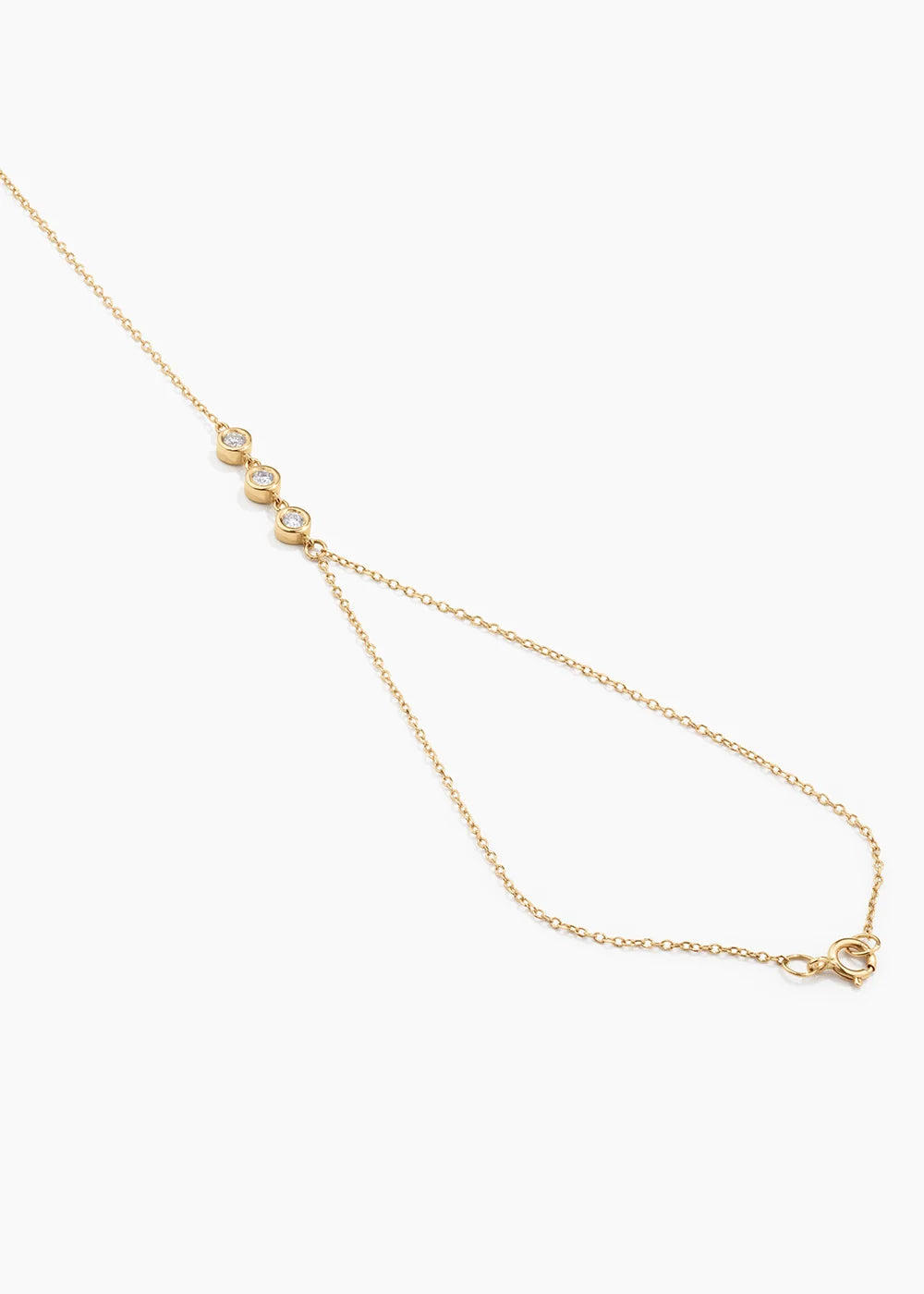
Pearls keep good company with gold, the warm metal and the cool pearl setting one another off. Layer a pearl piece against a fine station chain, or carry the idea to the wrist with a pearl station bracelet from our pearl bracelets. Pearls are no longer the centre an outfit is built around. They are something put on and forgotten, which is the most I can say for anything we make.
Care, and one last thing
Pearls are thought fragile. They are softer than gold, true, and they dislike perfume, hairspray, and a drawer shared with hard stones that scratch. Put them on last, after the scent and the spray, and wipe them with a soft cloth when they come off. Do that, and a strand outlasts the fashion that sold it.
I wear almost nothing I make; I am a man with thick wrists, and these are pieces for the women in my life. But a pearl necklace is the kind of thing I would fasten on my daughter twenty years from now, the same strand, restrung once or twice along the way, still lit from within. That is the test a piece must pass before it leaves the workshop. Not whether it photographs well. Whether it is still worn, by someone, in a life I will not be there to see.
Choose the real pearl. Insist on the solid gold beneath it. Wear it as though you had forgotten it was there. And when the silk gives, send it back, because we will be here to string it again.
See the whole of our pearl jewelry, or begin with the pearl necklaces.