


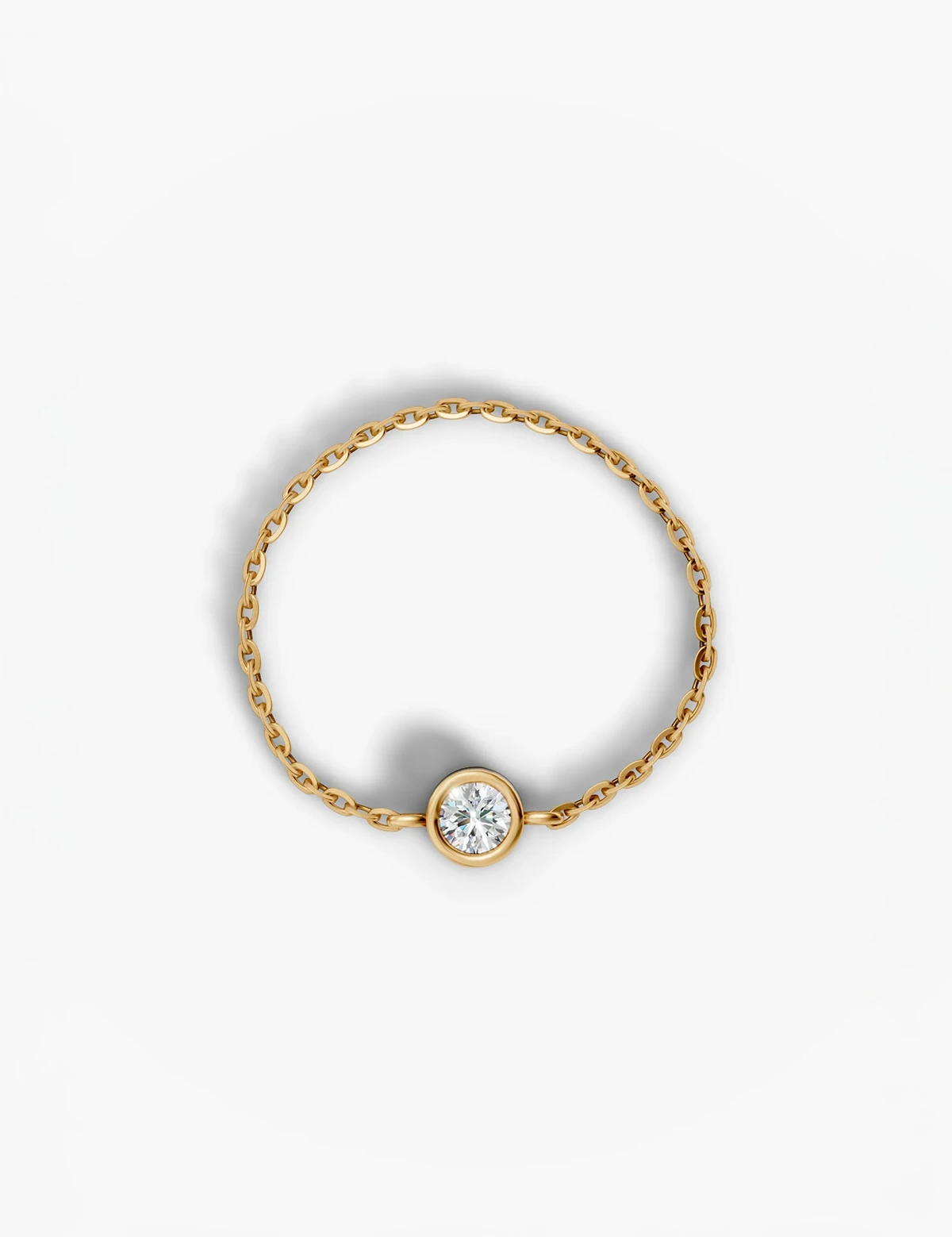
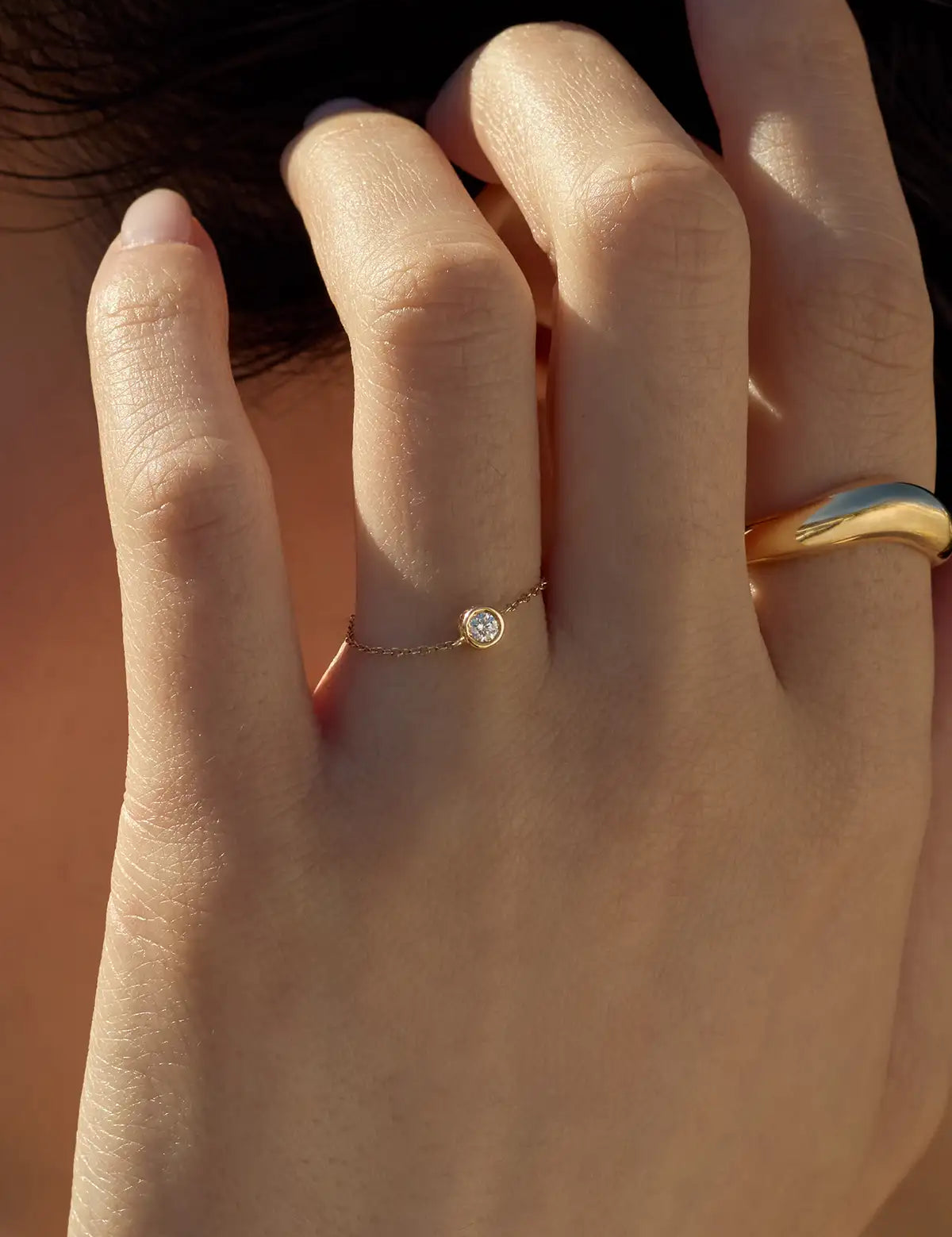
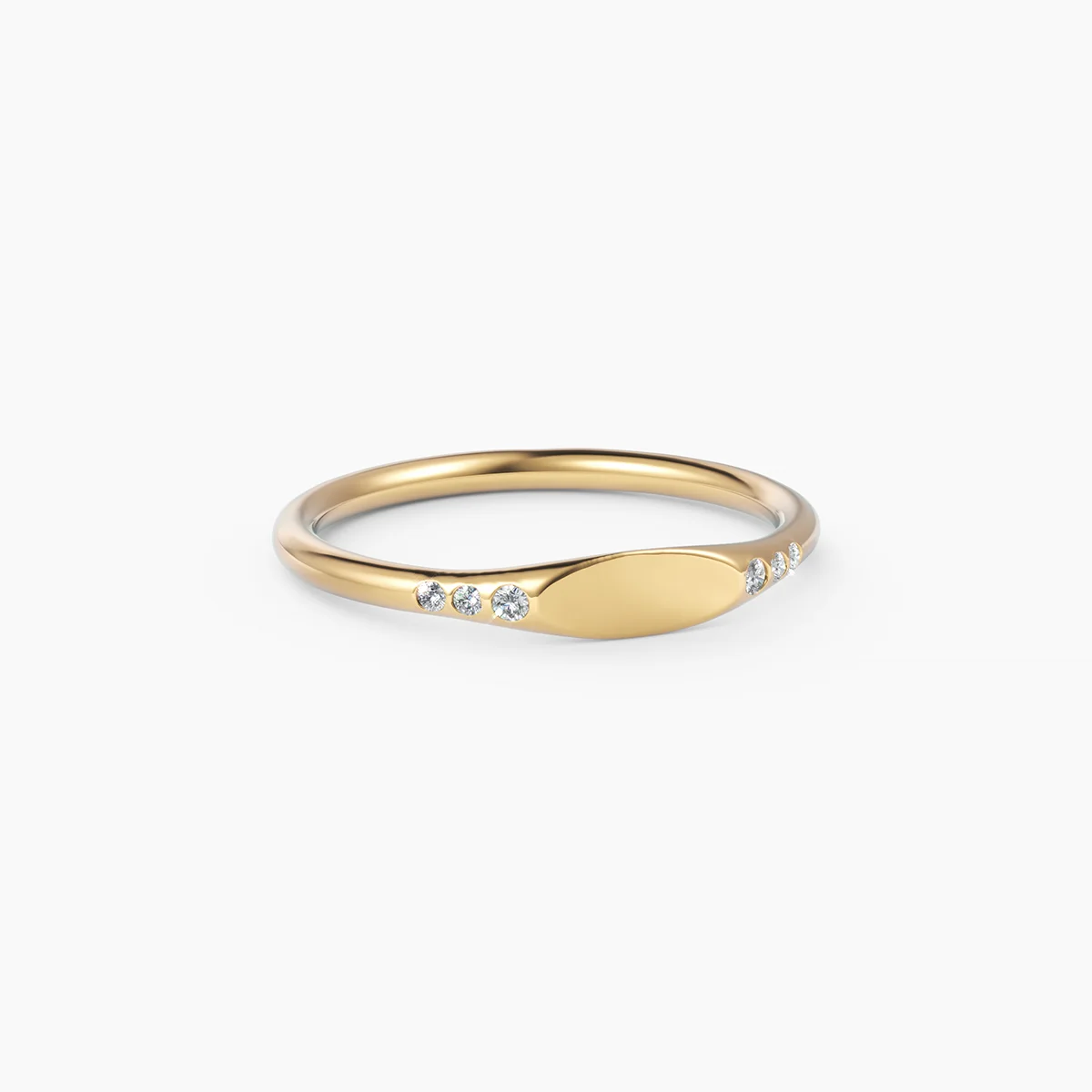
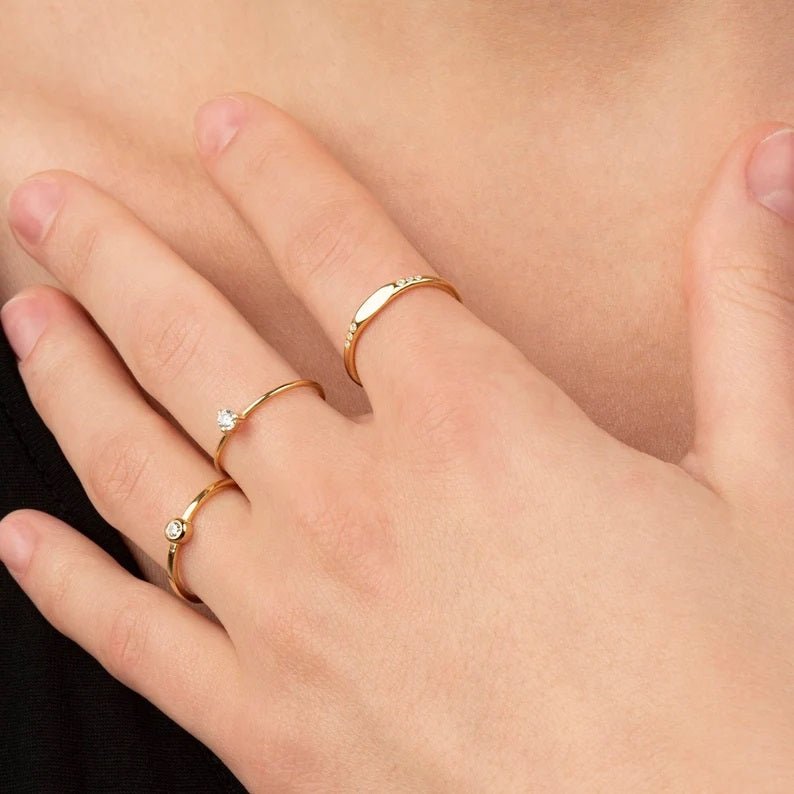


It is July in the Athens workshop and the torch is on. Even with the windows open, the bench radiates heat, and the gold moves faster in the flame than it does in winter. On the pad in front of me sits a single round diamond, a little under a third of a carat, waiting for its setting. By this afternoon it will be a necklace. One stone, one chain, nothing else.
Customers often assume the diamond solitaire necklace is the simplest thing we make. It is the opposite. A necklace with fifteen stones can absorb a small flaw; the eye keeps moving. A solitaire holds still. Every decision, the setting, the shape, the chain, the metal, is visible in the finished piece because there is nothing else to look at. When a customer chooses well, she owns the one necklace she reaches for without thinking. When she chooses badly, the piece sits in a drawer within a year.
This is a guide to choosing well. It is written from the bench, not from a catalogue, and it covers the five decisions that matter: the setting, the shape, the carat weight, the chain, and the metal. Take them in order and the right necklace narrows itself down.
One stone, nowhere to hide
A solitaire is the most exposed format in jewelry. The prongs have to lift the diamond cleanly so light enters every facet. The bail has to sit flat against the chain, never twisting. The stone has to stay centered at the collarbone through a full day of movement. If any one of these fails, the failure is the first thing you see, because a solitaire offers the eye nothing else.
That exposure is also the reason the format endures. A single diamond on a fine chain reads clearly at any distance: one point of light, deliberately placed. It works with a shirt collar and it works with nothing at all. Among everything in our diamond necklace collection, the solitaire is the piece most often bought to be worn daily and kept permanently, which is why we hold the diamond solitaire necklace collection to the tightest tolerances on the bench.
In our workshop, that exposure changes how the work is done. Each solitaire stone is set under the loupe, one at a time, and then the finished necklace hangs on a form for a day before it ships. We watch how it settles. A piece that passes on the bench can still misbehave on the curve of a neck, and a solitaire is not finished until the stone hangs centered, face out, on a body rather than a table. It is slow, and it is the only method that produces a necklace we are willing to sign.
The setting decides how the stone behaves
Before shape, before carat, decide how you want the diamond held. The setting determines how much light reaches the stone, how the piece feels against skin, and how it wears over years. We make three families of settings, and they read very differently on the body.
A prong setting holds the diamond in small claws of gold and lifts it off the chain. This is the classic solitaire architecture, and it is the brightest: light enters from the sides and below as well as from above. Our Éclat Petite Diamond Solitaire Necklace is the smallest expression of it, a stone held high on a fine cable chain, and the Éclat Grand Diamond Solitaire Necklace in white gold is the same idea at a weight you feel. The trade is practical: prongs stand slightly proud of the stone, so a prong set solitaire asks for an occasional check that the claws still sit tight. We do that check free of charge, for life, on every piece we make.
A bezel setting wraps the diamond in a continuous rim of gold. It reads more reserved, a circle of metal framing a circle of light, and it is the setting I recommend to women who wear their jewelry through workouts, travel, and small children. There is nothing to catch on a sweater. The Éclat Diamond Bezel Necklace is our standard bearer here, and the Éclat Princess-Cut Bezel Diamond Necklace shows how a bezel sharpens a square stone into something architectural.
The third family is our own. In the Floating series we drill the diamond itself and thread it onto the piece, so the stone appears to sit on the skin with almost no visible metal. The Floating Diamond Solitaire Necklace carries a single drilled stone at the center of the chain, and the Floating Diamond Pendant frames the exposed stone in a slim pendant. If that suspended look appeals to you, the wider floating diamond necklace collection extends the idea across bezels and stations.
There is no wrong answer among the three. Prongs give the most fire, bezels give the most security, and the drilled stones give the cleanest line. What matters is that the choice matches the life the necklace will lead.
Shape is a temperament, not a trend
Diamond shapes move in and out of fashion, but on a solitaire the shape is doing something more specific: it sets the tone of the whole piece, because it is the whole piece.
The round brilliant is the reference point. It returns more light than any other cut, it reads symmetrical from every angle, and it never argues with anything else you wear. If the necklace is meant to be worn daily for decades, round is the safe and serious choice, and it is what most of our solitaires carry.
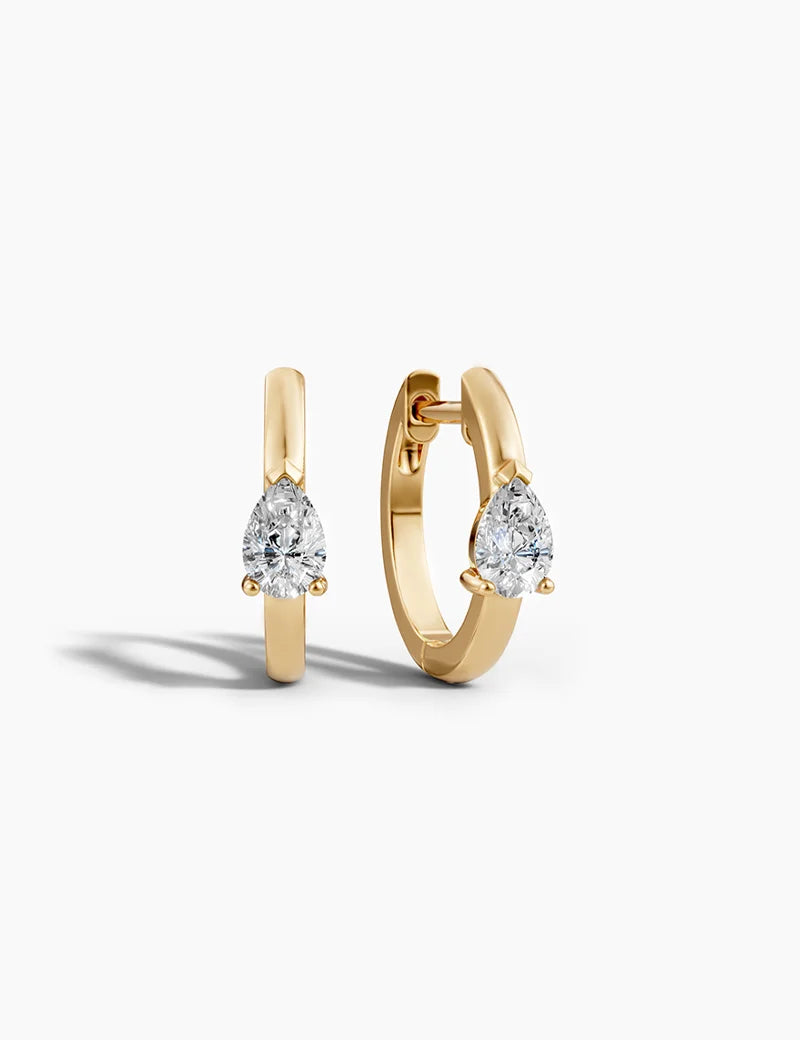
A pear cut stone changes the temperature of the piece. The tapered point draws a subtle line down from the collarbone, which lengthens the neck the way a v neckline does. Our Éclat Pear-Cut Diamond Necklace sets the shape in prongs; the Pear Floating Diamond Solitaire Necklace drills it, so the point seems to float free. Pear suits women who want the solitaire to feel drawn rather than placed.
Square and stepped shapes read modern and deliberate. The princess cut concentrates light into sharp flashes, and an octagonal stone, as on our Éclat Octagon Diamond Solitaire Necklace, holds the eye with its geometry more than its sparkle. These shapes are for the customer who wants the necklace noticed as a design, not only as a diamond.
My advice from years of watching customers choose: pick the shape that matches how you dress on an ordinary Tuesday, not how you dress for occasions. The solitaire you will actually wear is the one that belongs in your plainest outfit.
Carat weight: what one stone can carry
Because a solitaire is a single stone, carat weight changes the character of the piece faster than it does in any other format. The differences are not subtle.
Up to roughly a fifth of a carat, the necklace whispers. The stone catches light when you move and disappears when you are still. This is the weight range of our petite pieces and most of the dainty diamond necklace collection, and it is the range I recommend for a first diamond, for layering, and for anyone who wants the piece to be noticed only at conversation distance.
Between a fifth and half a carat, the stone begins to speak in its own voice. It is visible across a room under good light. It still works daily, but it reads as a considered piece rather than a glint. Our grand solitaires sit here.
Above half a carat, a solitaire becomes an event, and the engineering has to keep up: the chain must be heavier so the stone does not drag it, the bail must be reinforced, and the setting must protect a stone that now leads with its own surface area. There is nothing wrong with wanting this. Just know that the necklace stops being invisible, which is either the point or the problem, depending on the customer.
A note on what the stone sits above. The same diamond looks larger on a finer chain and smaller on a heavier one, because the eye judges the stone against the metal nearest it. If size matters to you, spend on the stone and keep the chain fine.
The chain decides where the stone lives
Sizing undoes more solitaires than any flaw in the stone, and it is the error I correct most often at the counter. A chain obeys gravity; collarbones differ. The same length rests at the base of one throat and rides high on another, and on a solitaire there is no second stone to rescue a bad position. Solid gold lasts forever, but only if the piece fits the body, and here the fit is the entire design: one stone, one place.
The geography is simple. At 16 inches the diamond sits at the base of the throat, above the collarbone, inside open collars, where it reads most delicate. At 18 inches it drops to the upper chest, below the collarbone, holding its position over knitwear and higher necklines. Neither is correct in general; one is correct for your neck and your wardrobe. Before ordering, measure a necklace you already own and love, and if you sit between lengths, take the shorter for daily wear.
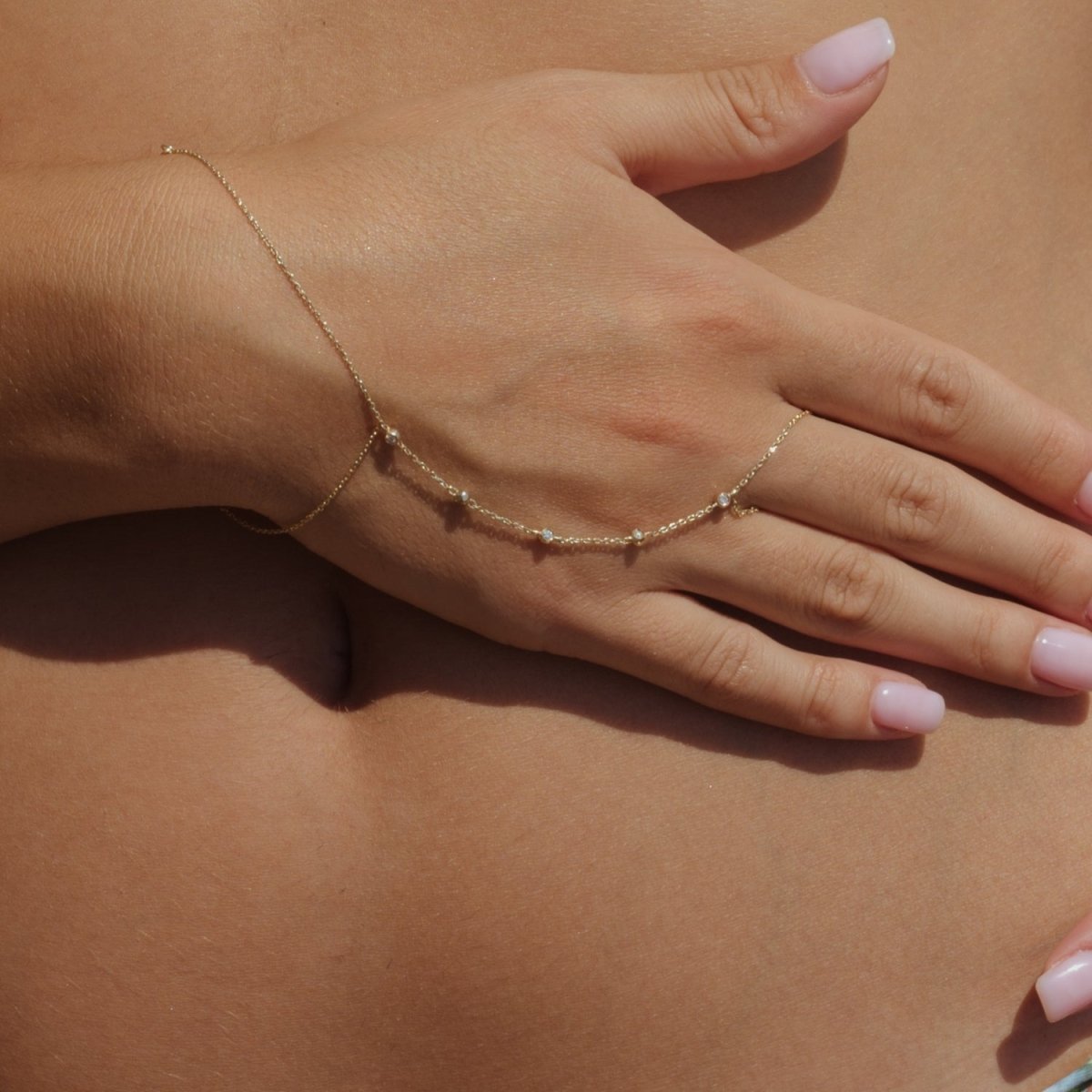
The chain itself should be a fine cable or similar tight link. It needs to be strong enough to carry the stone and quiet enough to disappear behind it. The fine chains across our dainty gold necklace collection are calibrated for exactly this balance, heavy enough to drape without curling, light enough to forget.
Give the clasp thirty seconds of attention before you buy. On a solitaire the clasp does more work than on any other necklace, because the piece is worn constantly and removed rarely. A spring ring should snap shut with a clean click and hold its tension when you press the trigger; a lobster clasp should close itself the moment you release it. A clasp that hesitates on day one will fail in year three. We size our clasps to the chain, not to a parts bin, and it is one of the details that separates a piece built for decades from a piece built for a product photo.
The metal underneath
Every solitaire we make is solid gold, all the way through. That is not a given in this market, and it changes what the necklace is: a plated chain carrying a real diamond is a contradiction that resolves itself within a year, when the plating wears at the clasp and the back of the neck. Solid gold does not tarnish, does not peel, and does not react against skin. It can be worn in the shower, sized, repaired, and eventually passed on.
Within solid gold, the choice is karat and color. Our 14k yellow gold is the house standard: warm, durable, and dense enough that the piece has presence on the skin. 14k white gold sets off a colorless diamond with a cooler light; the Éclat Petite in white gold is the version customers choose when they want the stone, not the metal, to carry all the warmth. And 10k gold is the same construction with a higher alloy share, slightly paler, slightly harder, and priced accordingly; the Éclat Grand Diamond Solitaire Necklace in 10k gold gives you the full stone at the entry to solid gold. There is no plated tier below these. We do not make one.
The diamonds are lab grown, and that is a plain fact
Every diamond in our solitaires is lab grown. Chemically, optically, and structurally it is diamond: the same carbon lattice, the same hardness, the same fire under light. A gemologist grades it on the same scale as a mined stone. What differs is origin, and origin is where the advantages live: a traceable supply chain, no mining, and a price per carat that lets us set a larger, cleaner stone at a given price than a mined equivalent would allow. Set by hand in solid gold, a lab grown solitaire is not an imitation of anything. The full range is in our lab grown diamond necklace collection.
How to judge the necklace in your hand
When the piece arrives, judge it the way we judge it before it ships. Hold the chain up and let the stone hang: it should find the center immediately and stay there. Lay it flat on the back of your hand: the bail should sit flush, not tip forward. Move it under a lamp: a well set stone throws light back at you from across its whole face, not just the center. Wear it for a full day: by evening you should have forgotten it is there. A solitaire that passes those four tests will pass them for decades.
And if one stone turns out not to be your format after all, the spaced version of the same idea, several diamonds set at intervals along the chain, lives in our station necklace collection. Some women want one point of light; some want a constellation. Both are legitimate answers.
Made to be worn, then handed on
A diamond solitaire necklace is the piece most likely to outlive its first owner. One stone, solid gold, a design that has not dated in a century: it is the definition of jewelry bought once.
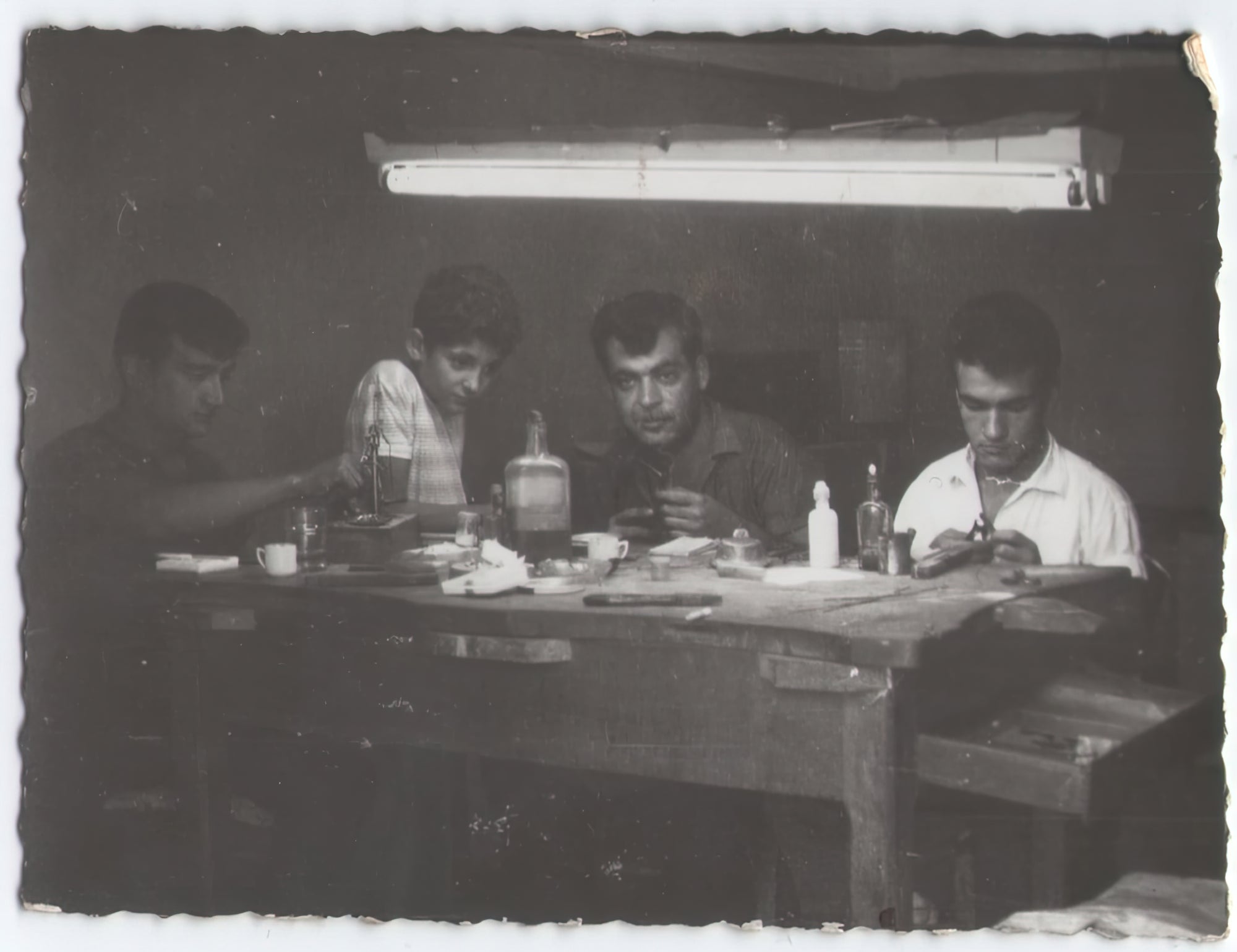
We build for that, and we stand behind it. We repair every piece we make. Forever. Send a solitaire back twenty years from now with a worn clasp or a loose prong and we fix it. That is not a marketing promise. It is how my grandfather operated, how my father operated, and how my brother and I operate now. A piece worth making is a piece worth keeping alive.
Choose the setting for your life, the shape for your temperament, the carat for your intent, the chain for your body, and the metal for the decades. The stone will do the rest.