




Carat first. It's always carat first. Someone emails, someone walks into the workshop in Athens, and the opening question is nearly always a number. How many carats.
I get the instinct. Carat is the line on the certificate you can actually read, the one figure that lets you set two necklaces side by side and feel like you're comparing them. But it's close to the least useful thing to lead with, because that number tells you almost nothing about the part that matters: whether the necklace looks right on the person, whether it survives an ordinary week, whether it's still getting worn three years out or sitting in a drawer with the tags on.
So my real answer, the one I give once we're past the number, is this. Not as many carats as the budget allows. As many as keep the stone in proportion with the wearer, the chain, and the reason you're buying it. That's the whole thing. The rest is detail.
What people actually mean
Nobody really wants to know about weight. They want to know how big the diamond will look once it's on. And those two come apart more than you'd guess.
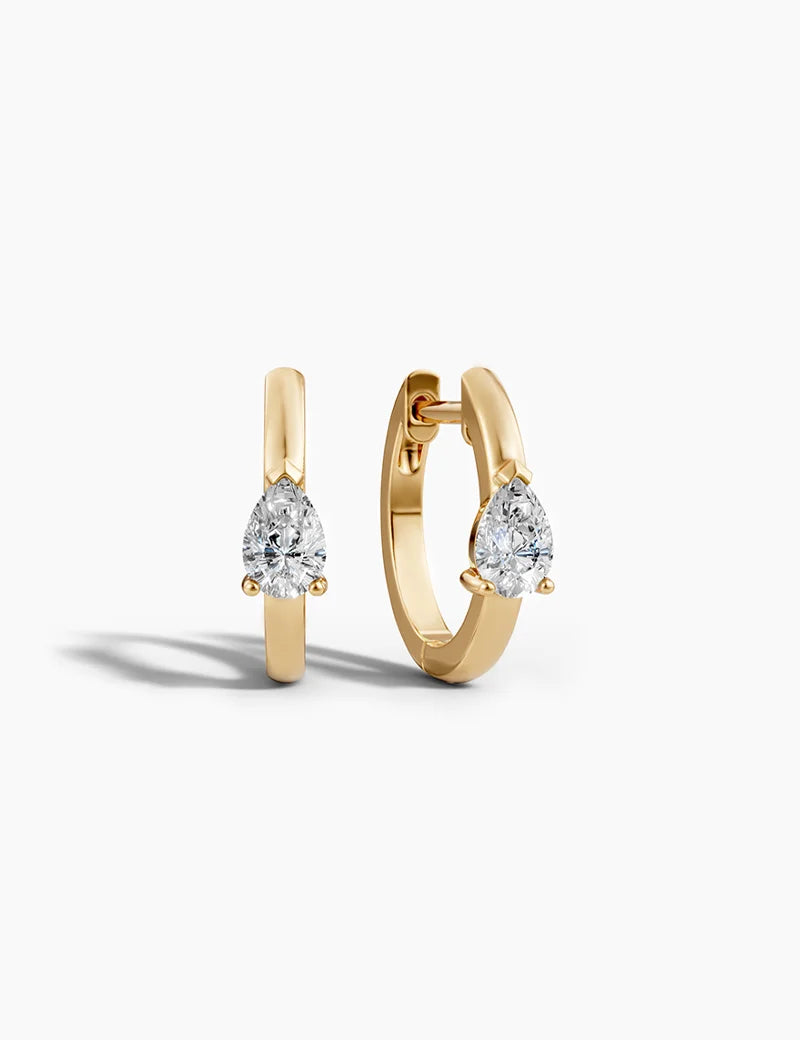
Take a half carat round, set up high in a thin four-prong basket so light gets in under the stone. It can throw more sparkle, look bigger, than a 0.70 dropped low into a chunky bezel. I've laid the two side by side on the counter and watched someone reach for the smaller one, sure it was the larger. Weight is just weight. What you read from across a room is the cut, the height it sits at, and the chain quietly doing its work where nobody looks. The diamond is a part of the thing. It isn't the whole thing.
Sizes, and what they're for
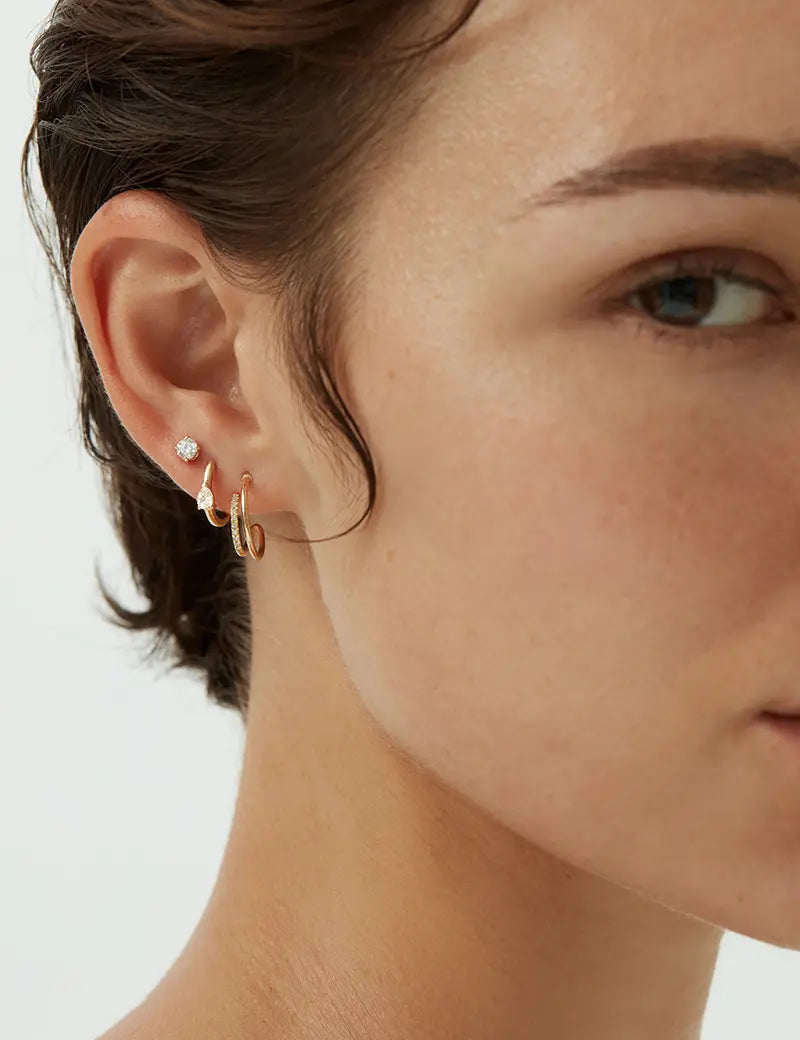
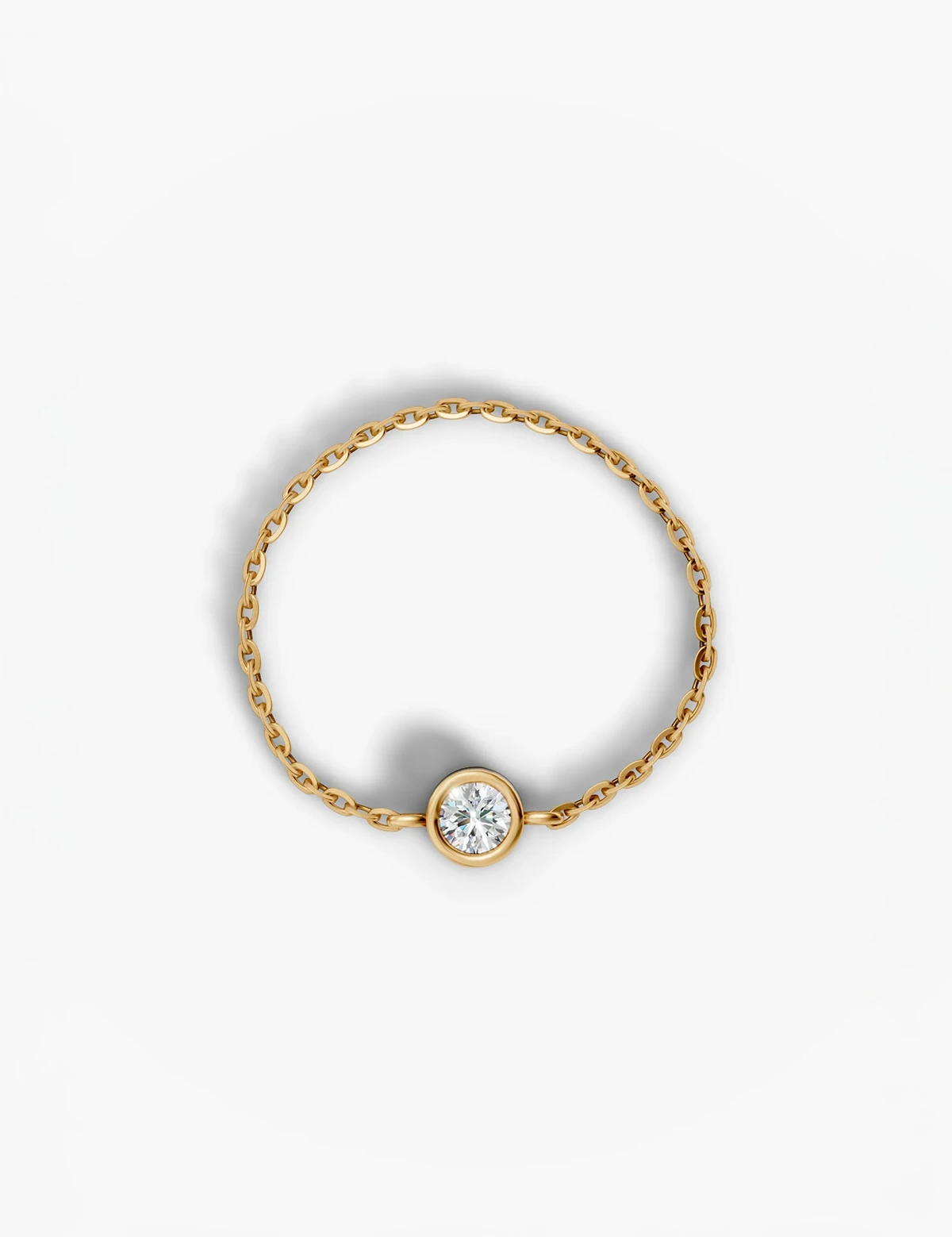
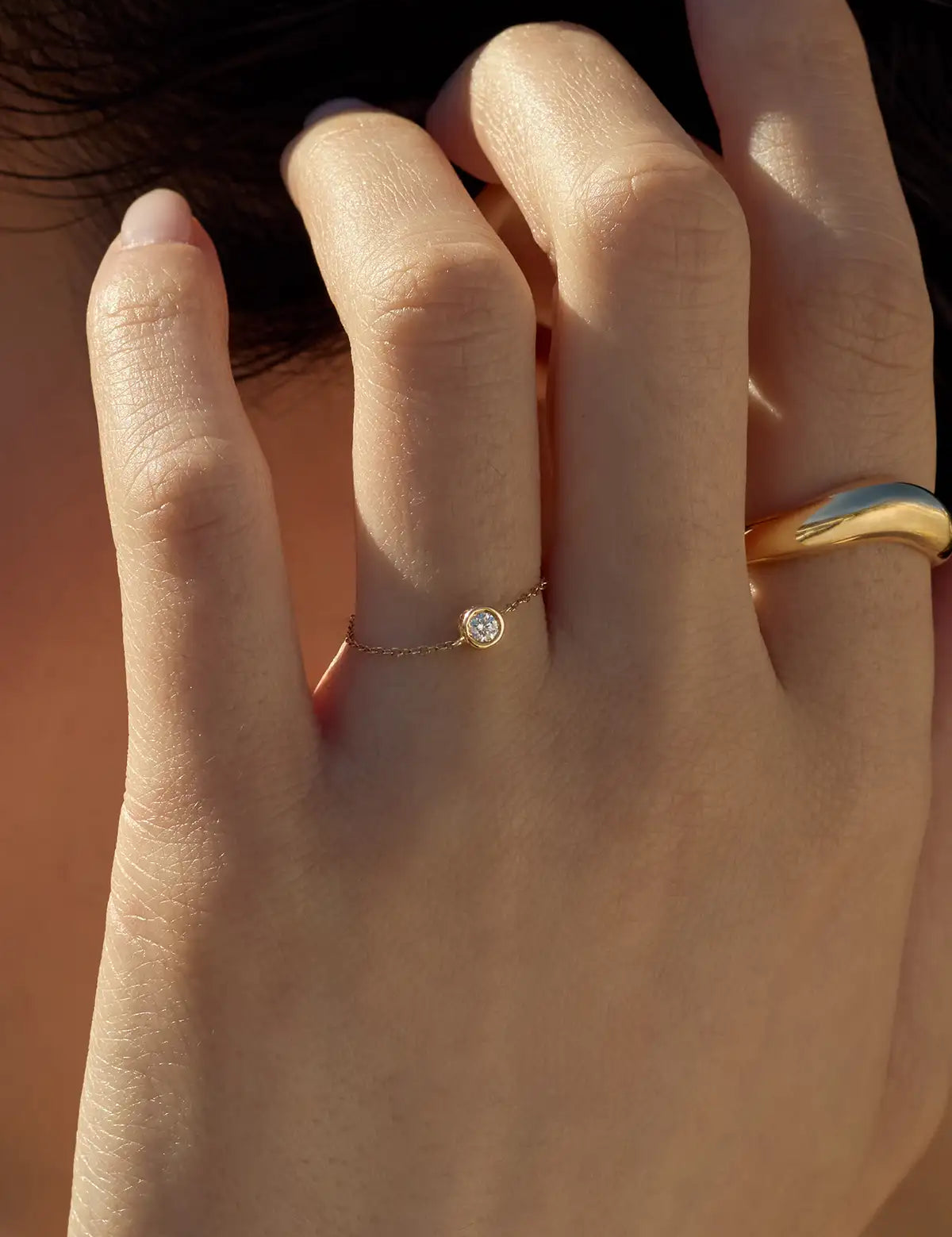
0.10 to 0.25. The everyday range. It wears in rather than out, which catches people off guard. Takes the light, never shouts, sits happily under or beside whatever else is on your neck, and shrugs off the daily abuse (a car door, a seatbelt, a toddler's fist) without you flinching. Our dainty diamond necklaces live here. You stop noticing them until one flashes back at you in a window.
0.25 to 0.50. If you made me pick one stretch of the whole category and stand by it, this is it. Big enough to read across a dinner table, quiet enough that nobody at the office decides you're making a point. The person who comes in saying she wants one necklace for everything, nursery drop-off and an anniversary both, lands here almost every time.
0.50 to 1.0. Here the stone stops being a detail and becomes the reason. It carries the outfit instead of decorating it. You can still wear it daily, plenty of people do, but it shows up on purpose and people register it.
Over a carat. Statement, and I mean that flatly, not as a sales word. Now you're choosing for the occasion, for keeping, for whatever the thing stands in for. Solitaire country. The piece a whole collection slowly arranges itself around.
What lab grown actually changed
For almost the entire history of this trade, size was a money question and nothing else. A clean, well cut, one