



























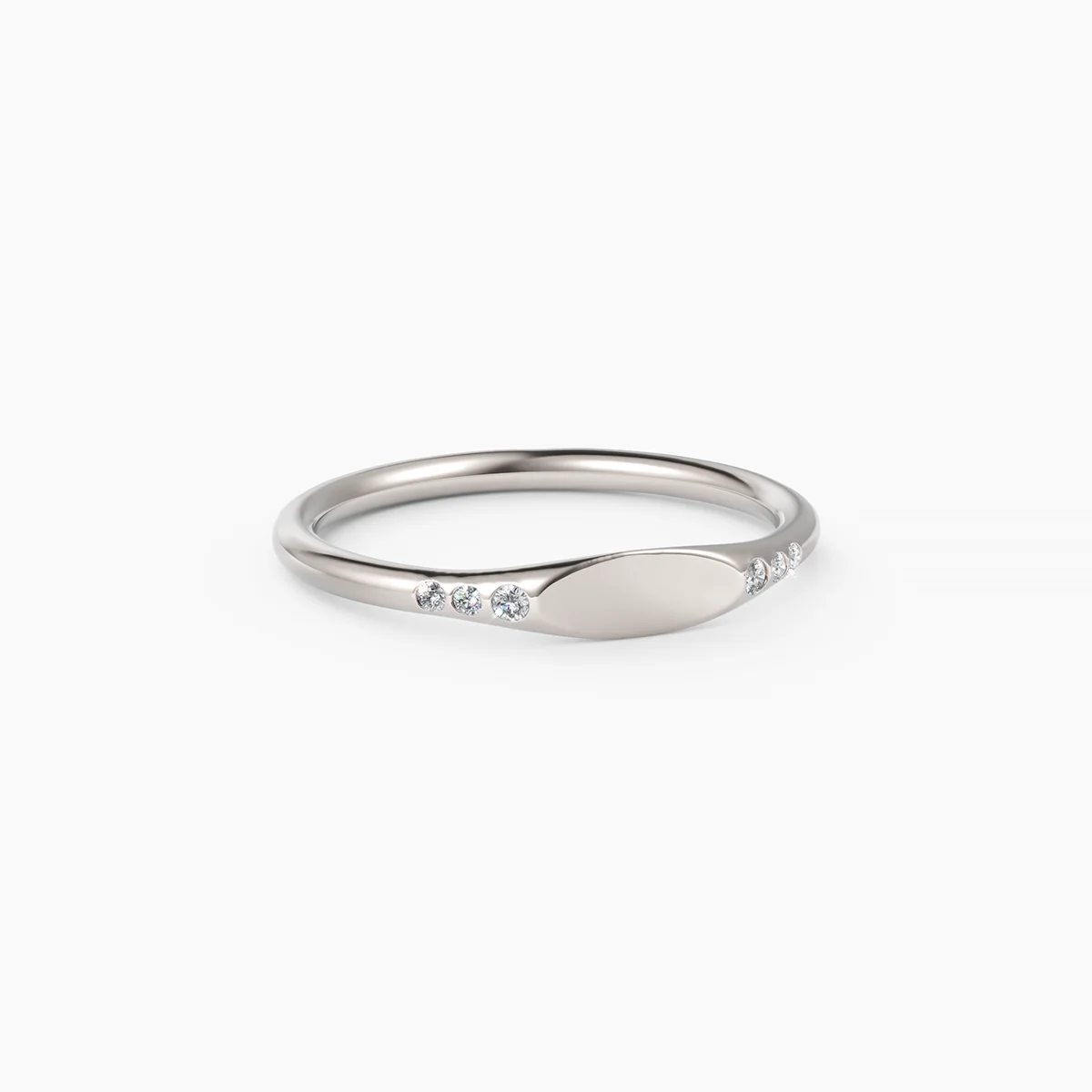
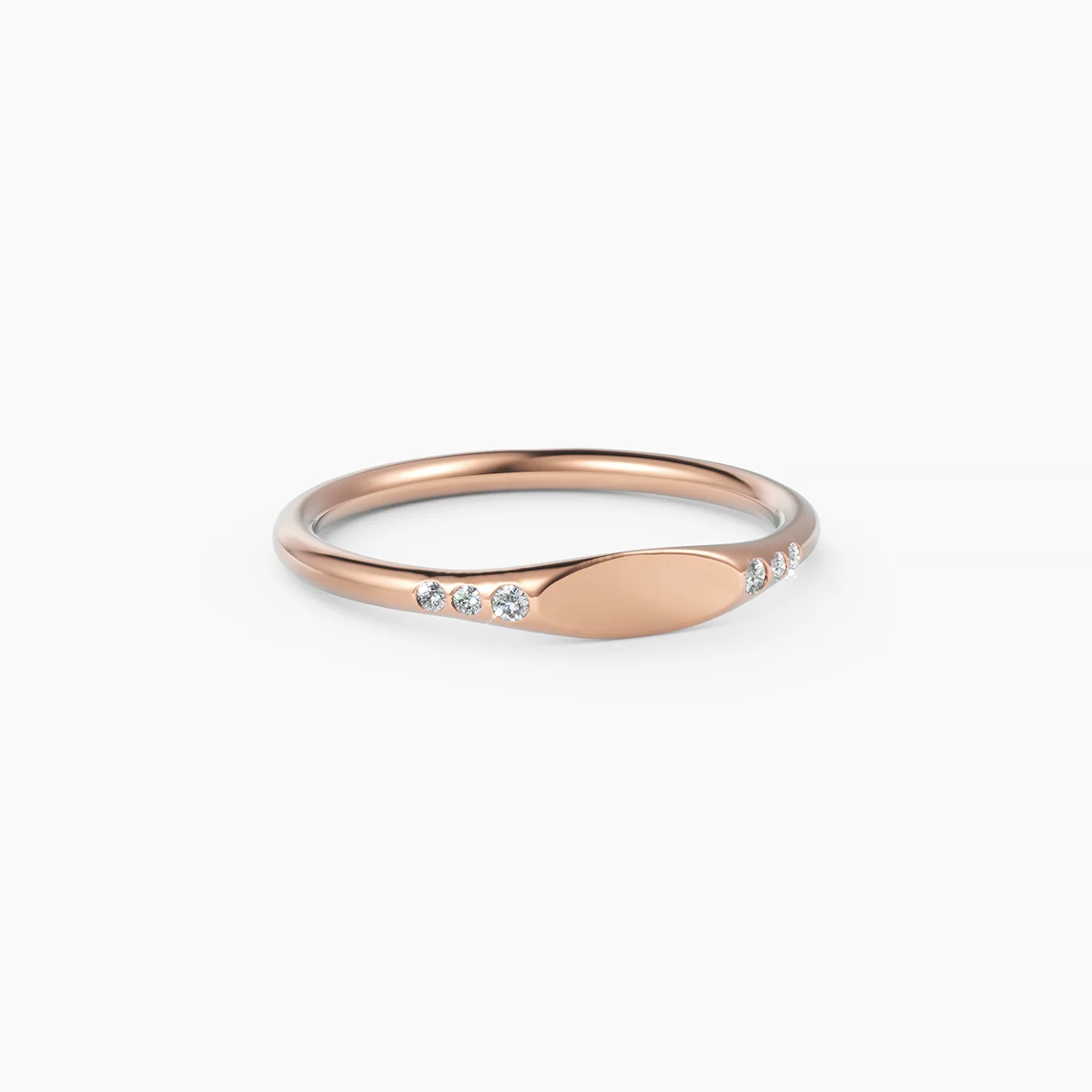


My grandfather barely touched white gold. Forty years at the bench in Athens and you could say he was kinda refused. Called it a northern invention, something for Swiss watchmakers and Scandinavian minimalists who did not understand what gold was supposed to look like. My father inherited that opinion along with the workshop. Two whole generations of Tasatzis goldsmiths pretending white gold did not exist.
So here I am, the one who broke tradition. And you know how it started? A woman named Katerina showed up eight years ago with a crumpled photograph of her yiayia. In the photo, yiayia is wearing what Katerina assumed was a silver necklace. I looked at the photograph under the loupe. It was platinum. I told her what platinum costs these days and watched her entire body deflate.
Then I did something I had never done before. I went to the drawer wherewe keep alloy samples, pulled out a strip of 14k white gold, and held it against the photograph. Katerina stared at it. Ten seconds. Maybe fifteen. "That is the same thing," she finally said. It was not the same thing and any jeweler who tells you otherwise is lying. But I understood exactly what she meant. She wanted that color on her skin. That coolness. That particular way it catches light, almost like water running down a windowpane on a January morning in Plaka.
I made her a white gold necklace with one bezel set stone. She put it on right there at the counter and walked out wearing it. Two weeks later she brought her sister. A month after that, her mother walked in. Three separate necklaces traced back to one faded photograph of a dead grandmother wearing platinum. That was my conversion moment. White gold was staying in this workshop whether my grandfather's ghost approved or not.
What White Gold Actually Is
I need to get something off my chest because the confusion around this drives me genuinely insane. Walk into most jewelry stores and the staff will talk about white gold like it dropped from a different planet than yellow gold. It did not. White gold is gold. Same element. Same periodic table entry. Same purity. Same weight per gram. If you melted down a white gold necklace and a yellow gold necklace of the same karat, the gold content would be identical down to the decimal point.
The difference is what we mix in. Pure gold at 24 karat is soft enough to mark with a fingernail. Beautiful to look at, impossible to wear. Every piece of wearable gold jewelry is an alloy. 14k gold means 58.3% pure gold mixed with 41.7% other metals for strength. In yellow gold? Copper and zinc. Those preserve the warm color. In white gold? We substitute palladium, silver, sometimes nickel (though I will explain in a minute why we specifically avoid nickel). The substitute metals drag the color cold. That silvery, almost lunar tone that people fall in love with? That is just chemistry. Gold plus different friends.
End result: a metal with all the permanence of solid gold wearing a cooler disguise. Will not tarnish. Will not corrode. Will not leave green stains on your neck. It is gold through and through, just dressed for winter instead of summer.
The Rhodium Situation
OK so here is something that genuinely bothers me about this industry. That mirror bright, ice white finish you see on every white gold necklace in every jewelry store display case? That finish is not the gold. That is rhodium plating. Paper thin layer of rhodium (platinum group metal, extremely white, extremely hard) electroplated over the surface. Without it, white gold has this softer look. Champagne. Warm gray. Some people describe it as dove colored. Beautiful in its own right but definitely not the blinding silver white that magazine photos have trained everyone to expect.
The problem is not the rhodium. Rhodium is great. The problem is that almost nobody at the point of sale mentions it exists. Customer buys a white gold necklace, loves how bright it looks, wears it for eight months, and then one morning notices a warmth creeping into the color around the clasp area. They think the necklace is defective. I have had people come into our shop near tears because they thought their solid gold piece was somehow turning fake on them.
Nothing is turning fake. The rhodium is wearing off, which is what rhodium does over time with friction. On a ring you might see it happen in four to six months because rings bang against everything all day long. On necklaces it takes much longer. One to three years of daily wear before you notice real thinning, because a necklace just hangs there against your skin. Not much friction. Not much wear.
Replating? Thirty to fifty dollars at any jeweler. Less than an hour of waiting. We do ours in about forty minutes and we could probably go faster but we are meticulous about getting even coverage around clasps and connectors. Some of our long time customers never bother replating at all. They actually prefer the warmed down look. We call it "lived in" white gold" or "white gold that finally relaxed."
White Gold Compared to Platinum and Silver (No Sales Pitch, Just Facts)
I get this question at least three times a week so I will lay it out exactly as I explain it in the shop.
Platinum. I respect platinum enormously. It is naturally white without any plating needed. Dense. Substantial in the hand. A platinum necklace feels like it means something just sitting in your palm. Worth every cent of its price tag. But here is the reality for necklaces specifically: platinum costs two to three times more for the same design, weighs about 40% more (your neck notices the difference by the end of a long day), and, this is the part that surprises everyone, scratches more easily than 14k white gold. The alloy metals in our white gold make it harder than pure platinum. For rings I can make a case for platinum. For necklaces? White gold wins on weight, durability, and value. The rhodium replating every couple years is still cheaper than the platinum premium.
Sterling silver. I will be blunt. Silver tarnishes. It oxidizes. It turns gray and then blackish and then this depressing yellow brown if you really neglect it. You know those anti tarnish strips and special polishing cloths and sealed storage bags? That is the silver life. A white gold necklace asks for none of that. Hang it up, wipe it occasionally, done.
Silver is also significantly softer. I lost count years ago of how many broken silver chains people have brought to our bench. Links that stretched thin. Clasps that gave up. Solder joints that cracked because the metal around them could not hold tension. A solid 14k white gold chain at the same design will outlive the person wearing it. Silver costs a fraction of the price, that is true. But if you are replacing the silver piece every eighteen months to two years, the math stops working in silver's favor pretty fast.
The Styles That White Gold Transforms
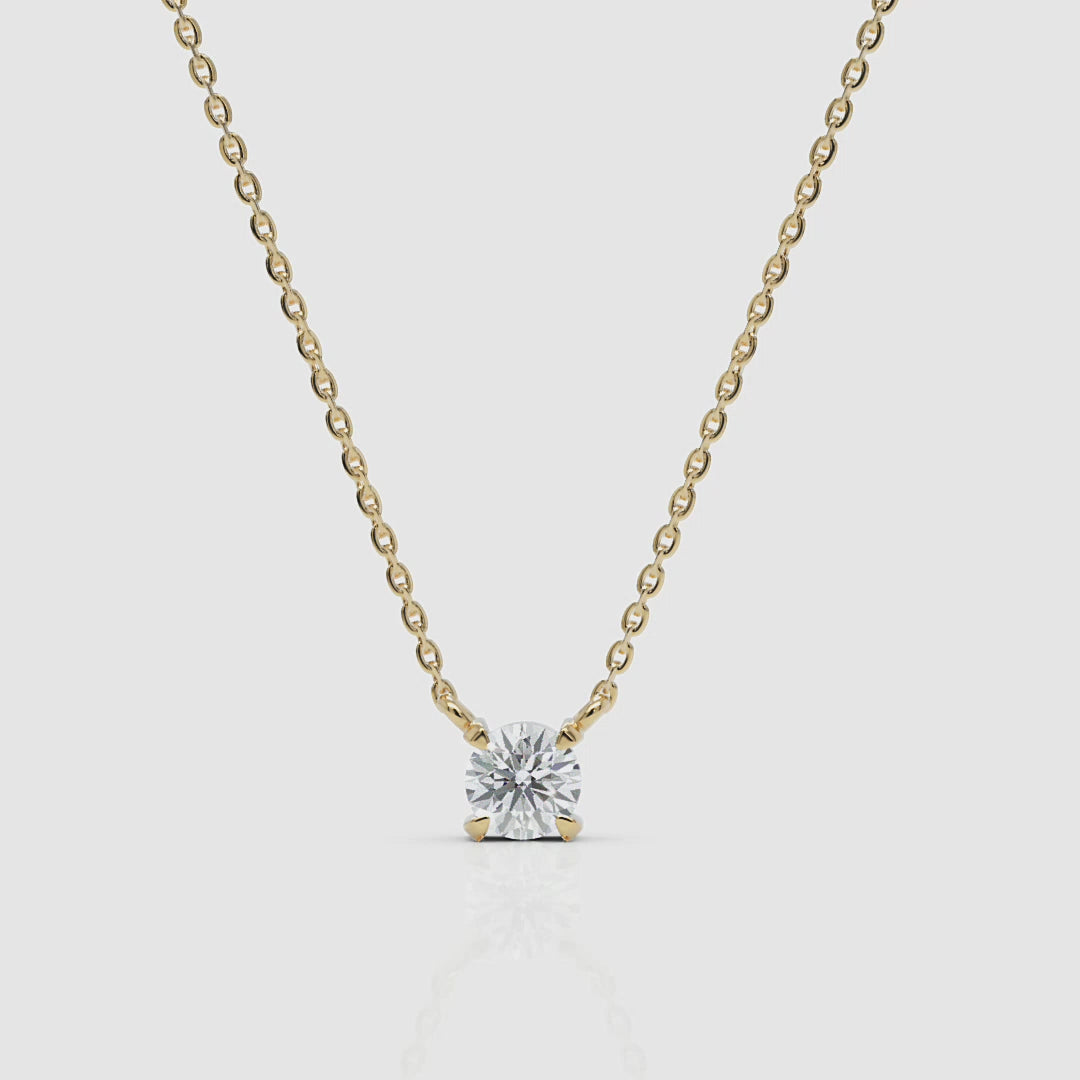
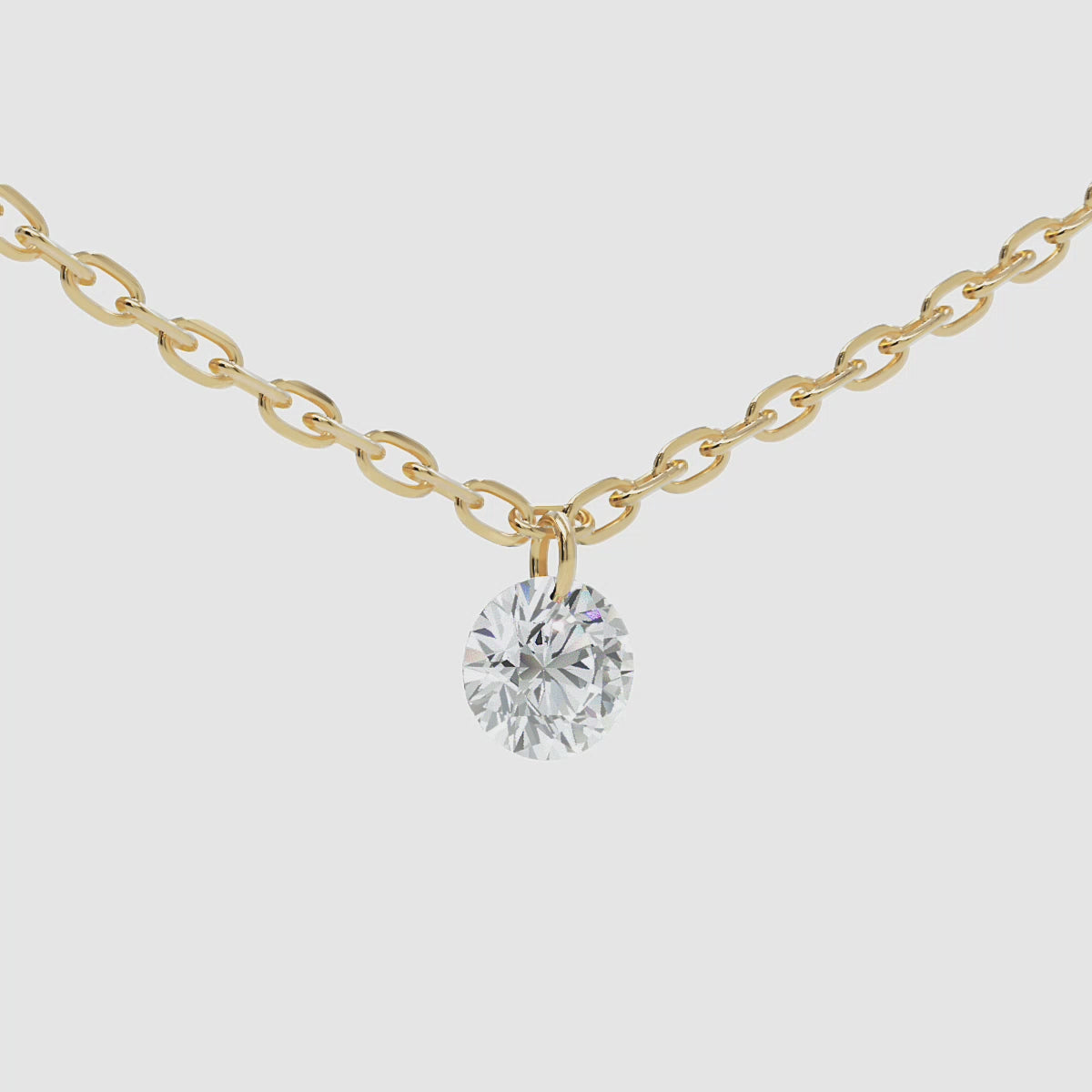
Anything with diamonds. I am not overstating this. White gold makes diamonds look better. The cool metal tone eliminates the warm reflection that yellow gold bounces into the stone. A diamond solitaire necklace in white gold versus the same stone in yellow gold? Almost like looking at two entirely different diamonds. Every one of our diamond necklaces comes in white gold and it outsells yellow in that category roughly three to one. People see the difference immediately.
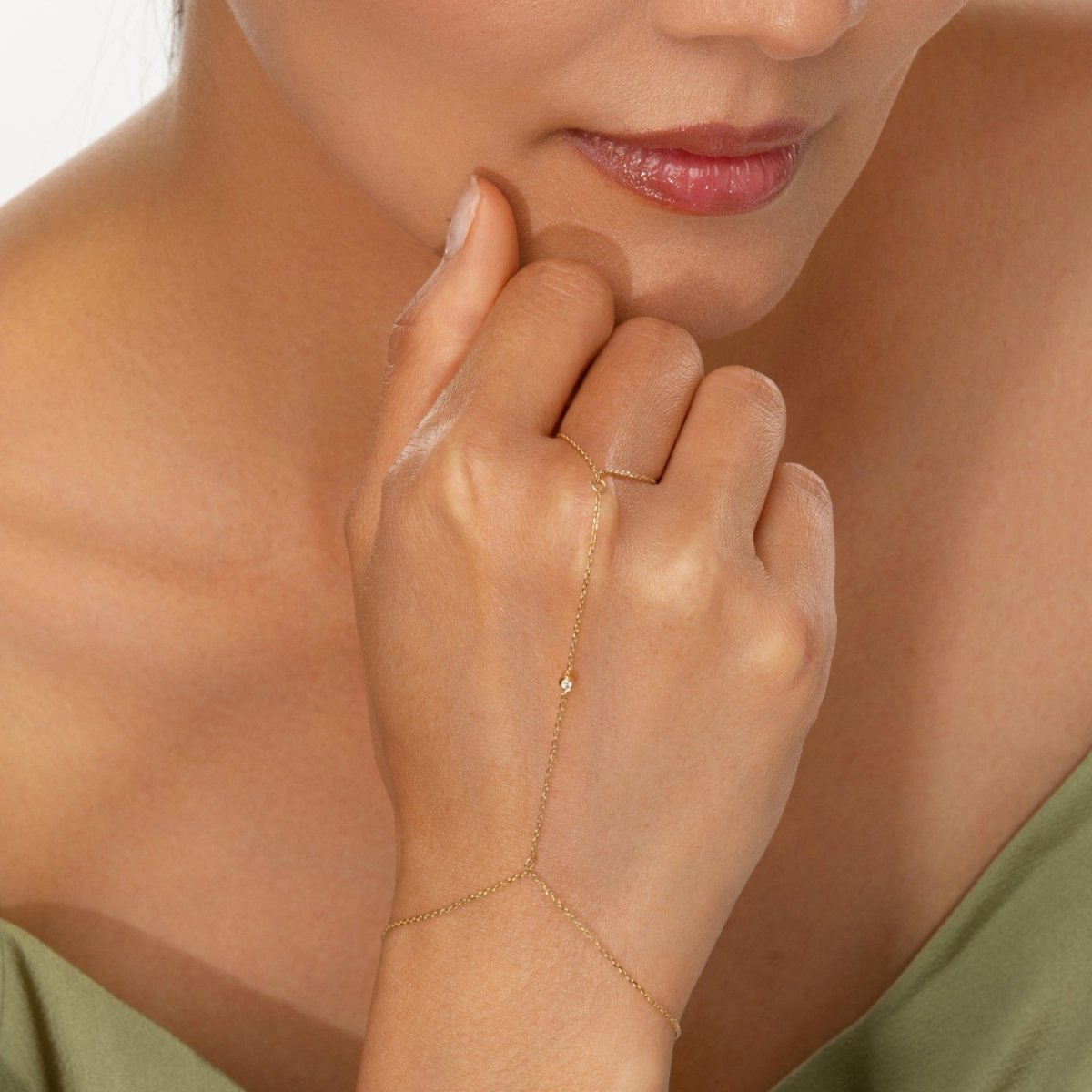
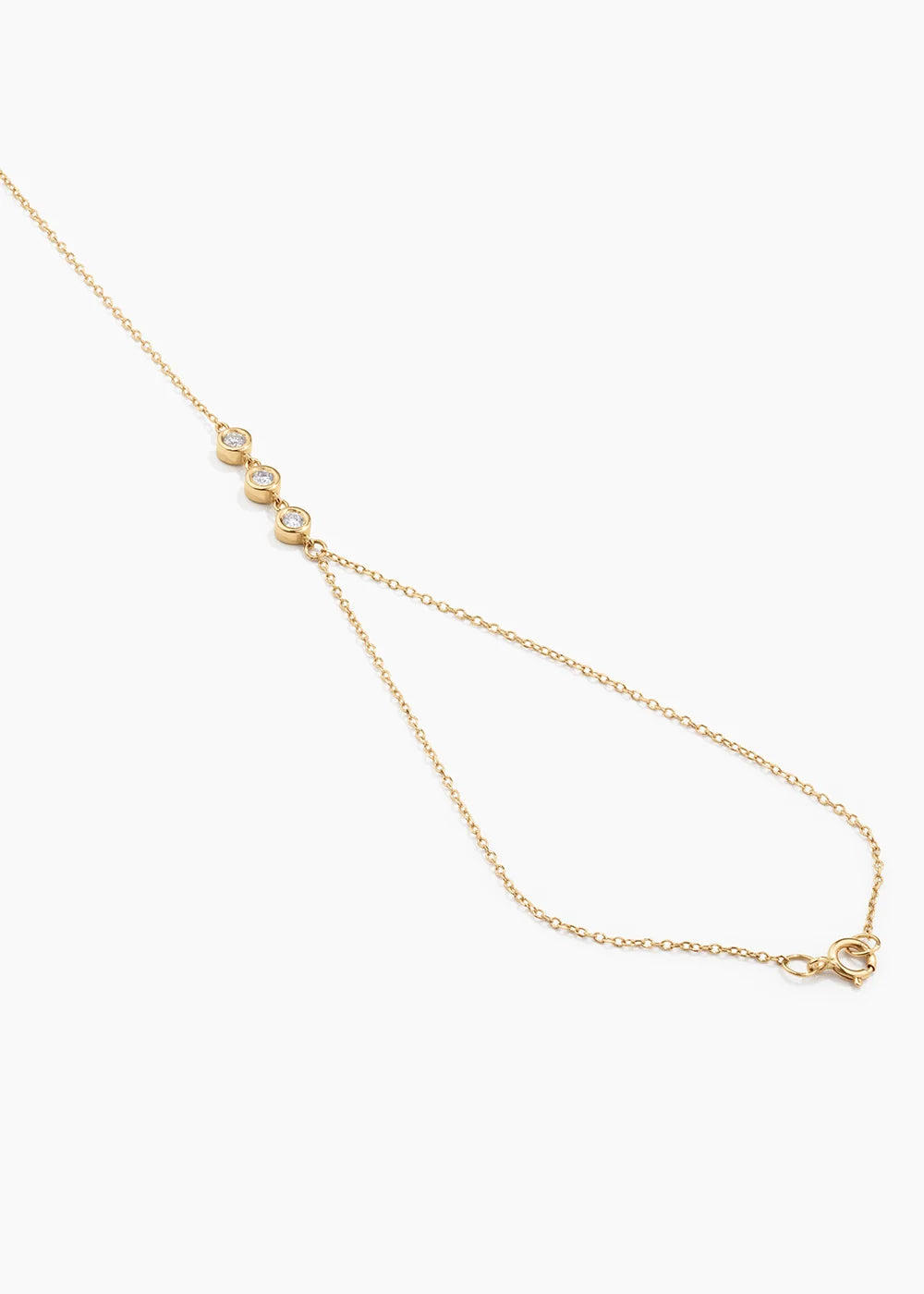
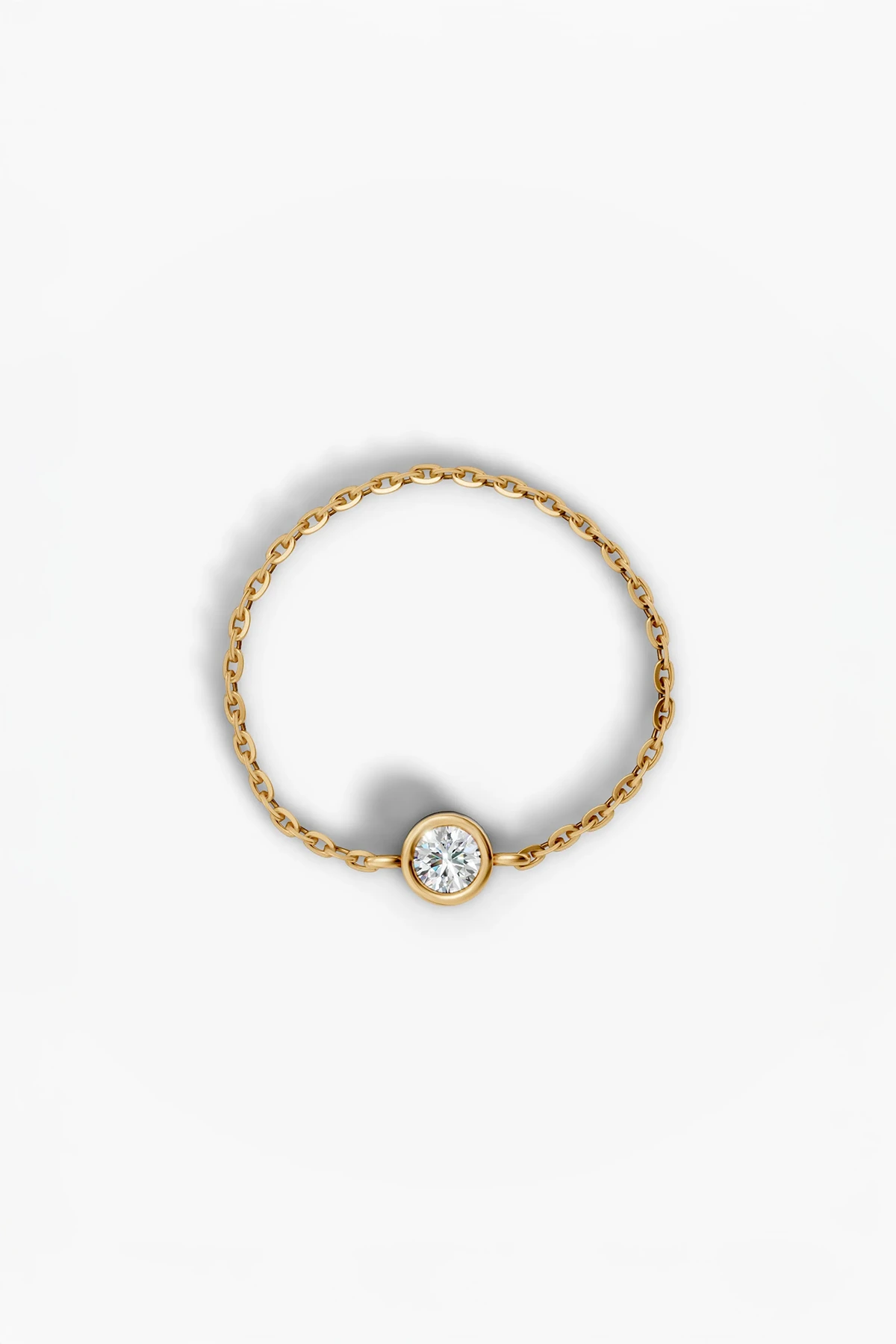
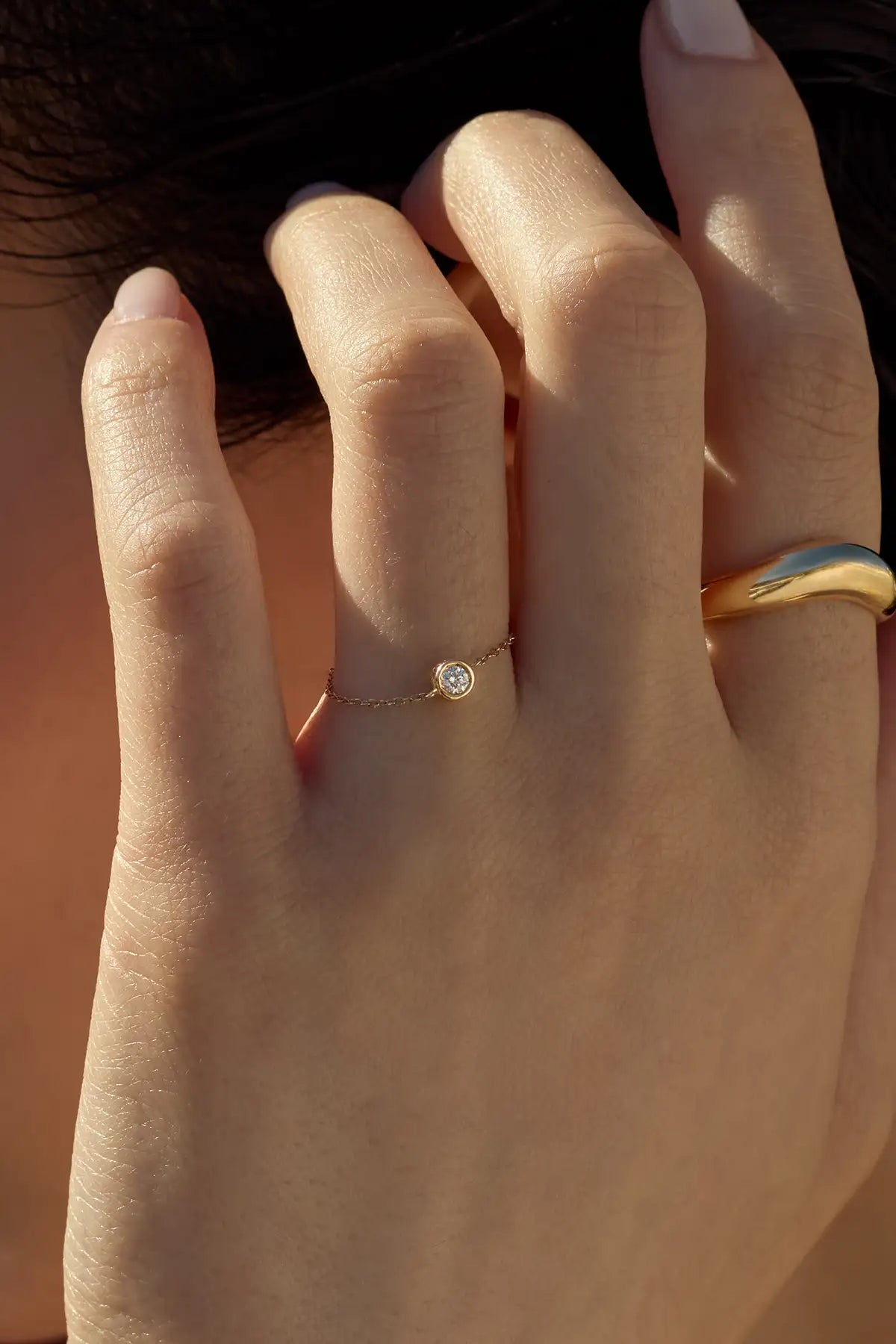
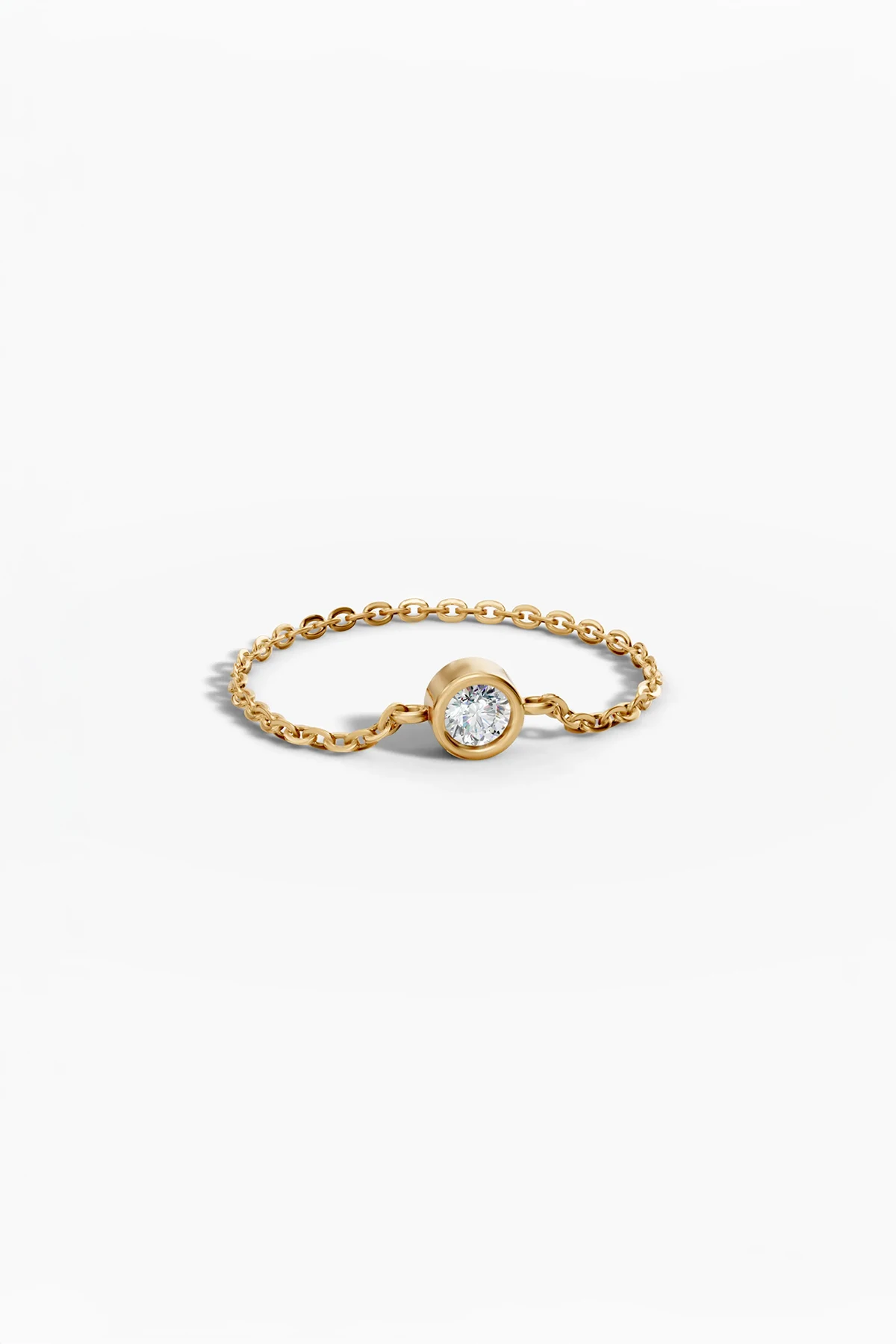
Station necklaces. This is personal but I believe white gold does its absolute finest work in station designs. Those small bezel settings spaced along the chain, each one holding a single diamond? In white gold the bezels vanish. The diamonds genuinely look like they are just hovering there on your skin with nothing underneath them. In yellow gold the bezels announce themselves. Both are beautiful. But the floating effect in white gold is something I have never been able to fully replicate in warm metals no matter how thin I make the setting walls.
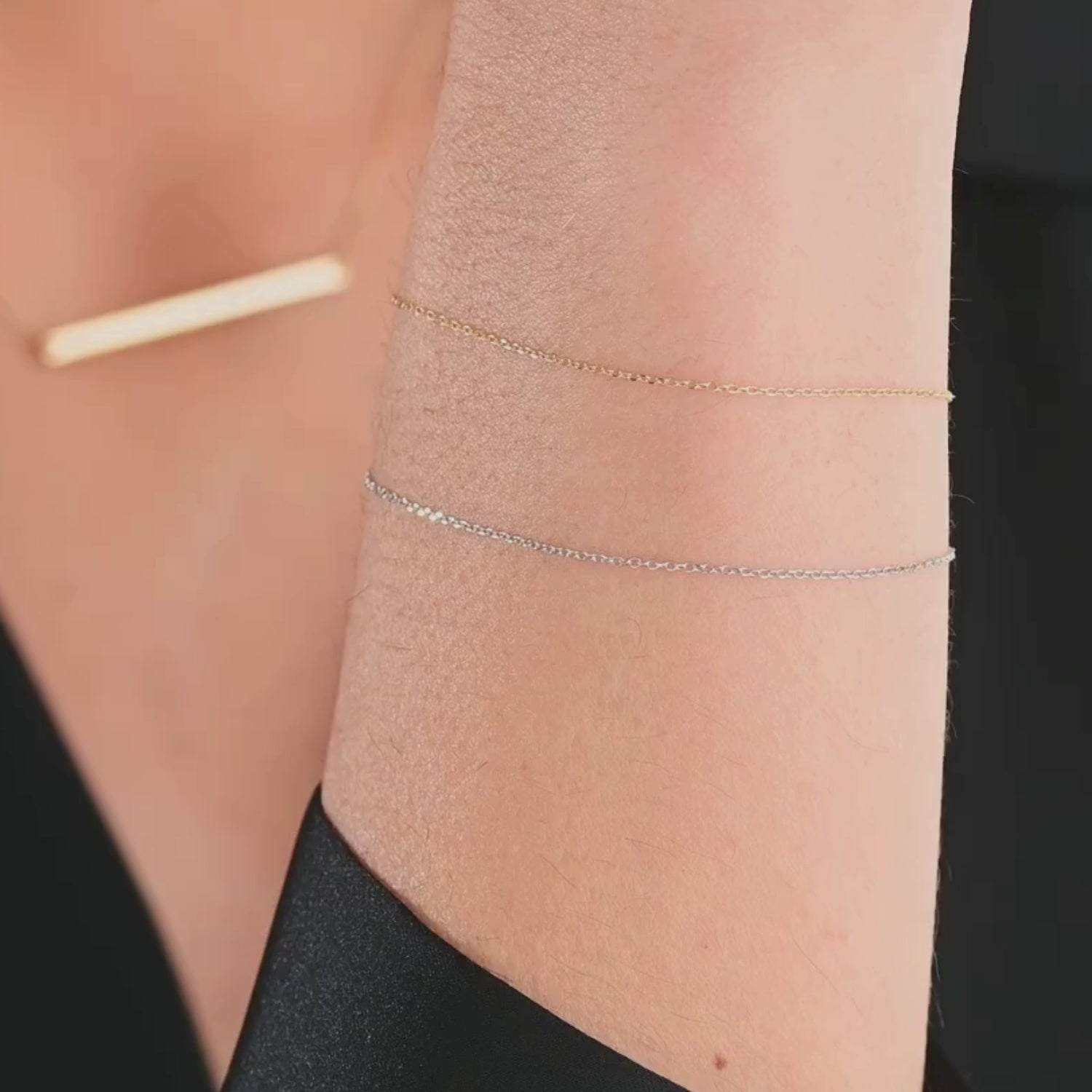
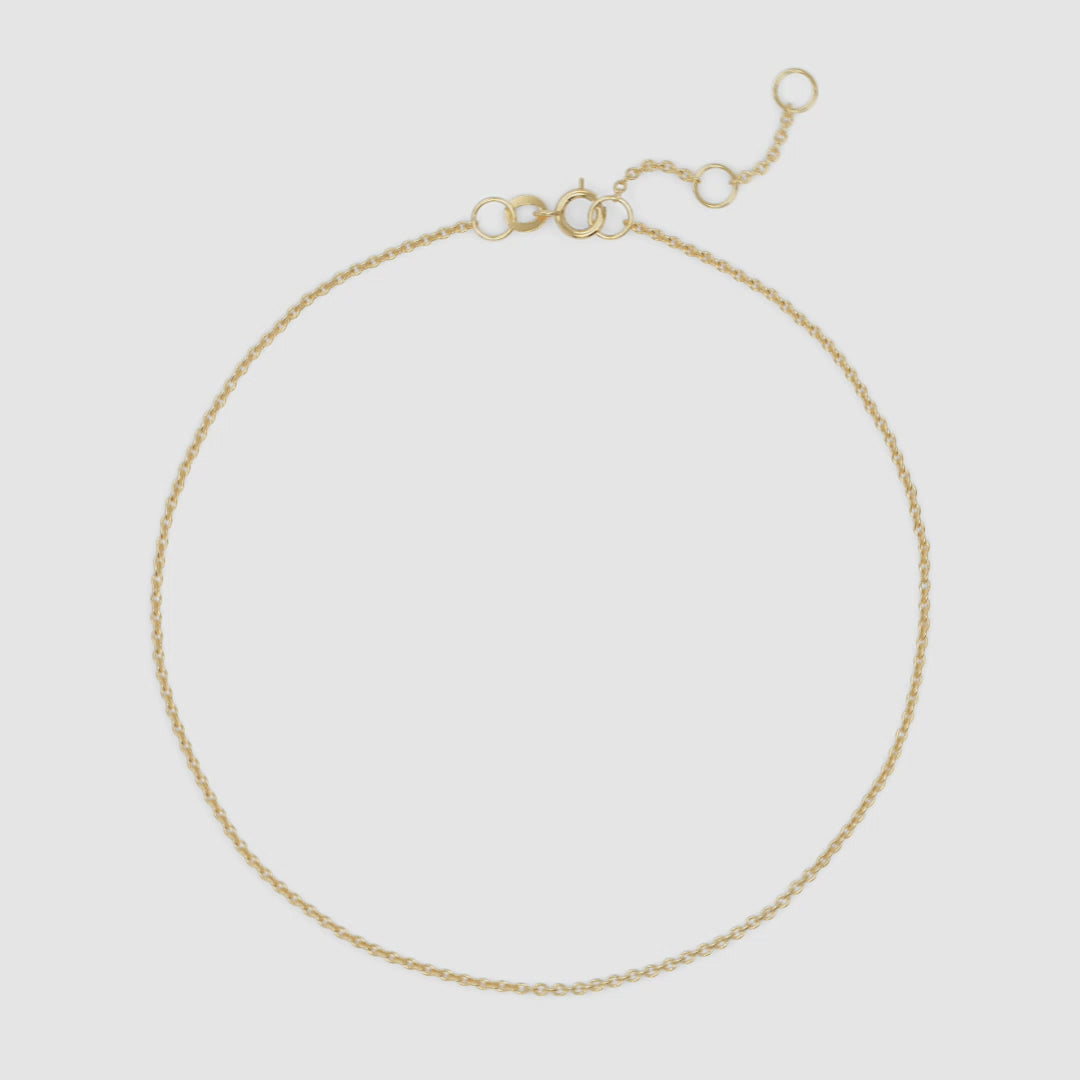
Dainty chains and thin pendants. At 1mm or so, a white gold chain against the collarbone looks like a thread of mercury. Modern. Architectural. Minimal in a way that yellow gold at the same gauge cannot quite achieve because yellow reads warmer, softer, more traditional. If your wardrobe lives in the black, navy, gray, white territory? White gold was made for you and you probably already know it.
Mixed metal layers. This is one of the strongest trends happening right now and I put together a full guide on how to layer gold necklaces that covers it in detail. Short version: white gold layered with yellow gold at different lengths creates a warm and cool contrast that single metal stacks simply cannot touch. It is not an accident or a fashion mistake. It is intentional and it works.
Chokers. White gold sitting right at the base of the throat on fair to medium skin has a visual power that consistently surprises people. I have done the test in our shop dozens of times, handing someone the same choker in yellow and white, watching them try both. The white gold gets the reaction about 70% of the time. Something about how that cool metal reads against skin at that particular spot on the neck.
Why We Use 14k for White Gold Necklaces (Not 18k, Not 10k)
People sometimes ask why we do not offer 18k white gold. Higher karat sounds better, right? More gold, more prestige. In yellow gold, yes. In white gold, 18k actually works against you. More pure gold in the mix means more yellow fighting to show through the white alloy metals. The result is a warmer base color that needs heavier rhodium plating, and heavier plating wears off faster because it is constantly battling the underlying warmth. At 14 karat, the alloy ratio naturally produces a whiter base. Less rhodium needed. Longer lasting bright finish. Better everyday performance.
On the other end, 10k gold has even less pure gold and more alloy. Counterintuitively, this can make the metal even whiter. But 10k is stiffer. More brittle. Works fine for rings that sit on your finger and do not need to flex. Necklaces need to drape, to move, to settle into the curves of your neck and collarbone. 14k gives you that flexibility without giving up strength.
One more thing on alloys. Our white gold uses palladium as the primary whitening agent. No nickel. This matters because roughly one in seven or eight people has some degree of nickel sensitivity. If costume jewelry or cheap rings have ever given you itchy red patches or green discoloration, there was almost certainly nickel in the alloy. Palladium is completely hypoallergenic. Zero reactions in all the years we have been using it.
Living With White Gold Day to Day
Hang it up when you take it off. I cannot stress this enough. Same rule as any gold necklace. A hook on the wall, a necklace stand, the inside of a cabinet door with a small nail. Whatever keeps it hanging straight and away from other pieces.
Once every couple of weeks: warm water, one tiny drop of dish soap, soft cloth, dry completely. That is the whole care routine. I am not kidding. That is it.
Things to keep away from it: chlorine (pools, hot tubs, bleach based cleaners), perfume sprayed directly onto the chain, hairspray. Chlorine eats into gold alloys slowly and strips rhodium coating fast. Perfume and hairspray leave residue that builds up in the links and dulls the finish. Simple rule: necklace goes on last after everything else. Comes off before you swim.
The rhodium will eventually thin. You will notice. It is not an emergency. It is just time. Get it replated if the warmer tone bothers you. Or do not. Plenty of our customers decide they like the natural color better once they see it. No wrong answer.
Spotting Real White Gold vs Plated Imposters
Our pieces carry a "585" stamp near the clasp. That is the European hallmark for 14k gold (58.5% pure gold content). American jewelry uses "14K" or "14KT" stamps. Same purity, different labeling conventions.
Red flags: no stamp at all, or a stamp reading "GP" (gold plated), "GF" (gold filled), "RGP" (rolled gold plate). Those tell you there is a base metal underneath with a thin gold coating that will wear off. It will not hold value. It will not last. And when the plating goes, you are left with whatever cheap metal was hiding underneath.
We have a demonstration for skeptical customers. We put a solid gold necklace in their left hand and a plated lookalike in their right. Without fail, their expression changes the moment they feel the real one. Solid gold has this unmistakable density. It announces itself through weight alone. A plated chain feels hollow because structurally it basically is.
Common Questions About White Gold Necklaces
Does white gold turn yellow over time?
People ask me this at least once a week and the answer is: sort of but not really. The rhodium plating gradually thins with wear, and the actual white gold alloy underneath has this soft grayish or champagne tone. Not yellow. Not even close to yellow gold color. It is just a bit warmer than the ultra bright rhodium finish. A jeweler can replate it in under an hour. Many of our customers end up preferring the natural tone once they see it and never bother replating.
Is white gold more expensive than yellow gold?
A bit. Same gold content at the same karat, so the base metal value is identical. The slight premium comes from palladium in the alloy (pricier than copper and zinc) plus the rhodium plating step. In practice the difference is maybe 8% to 10% for the same design. Not nothing, but not a dealbreaker for most people.
Can I shower wearing it?
Honestly? The occasional shower will not ruin anything. But making it a daily ritual is not great. Soap leaves film in chain links. Chlorinated water accelerates rhodium wear. If you forgot to take it off, do not panic. Just dry it well after. But if you can remember to slip it off before you step in, your necklace will thank you with a longer lasting finish.
Which skin tones work with white gold?
Cooler undertones tend to pair with it naturally, pinkish, bluish, that kind of thing. Warmer undertones often lean toward yellow gold or rose gold necklaces. But I have sold enough white gold to know that these "rules" break constantly. I watched a woman with the warmest olive skin try on a white gold choker last month and everyone in the shop stopped to look. It was stunning. Forget the charts. Try it on. Trust what you see.
Will it set off airport security?
Gold is non ferromagnetic so no, standard walk through detectors will not pick it up. I have gone through airport security wearing gold necklaces more times than I can count, Athens to New York and everywhere in between. Never once triggered anything. A very heavy, very thick chain on a high sensitivity handheld wand might register, but a typical necklace is completely invisible to the machines.
What length should I get?
Sixteen inches lands right at the collarbone and reads like a choker. Eighteen inches sits just below it and works with basically everything, the most popular length we sell by a wide margin. If you are building a layered look, space your necklaces at least two inches apart in length. Our white gold necklace collection has most styles in multiple length options.
Browse our complete white gold necklace collection, or explore all gold necklaces, 14k gold necklaces, and rose gold necklaces. For a broader look at choosing the right gold necklace, read our complete gold necklace buying guide.